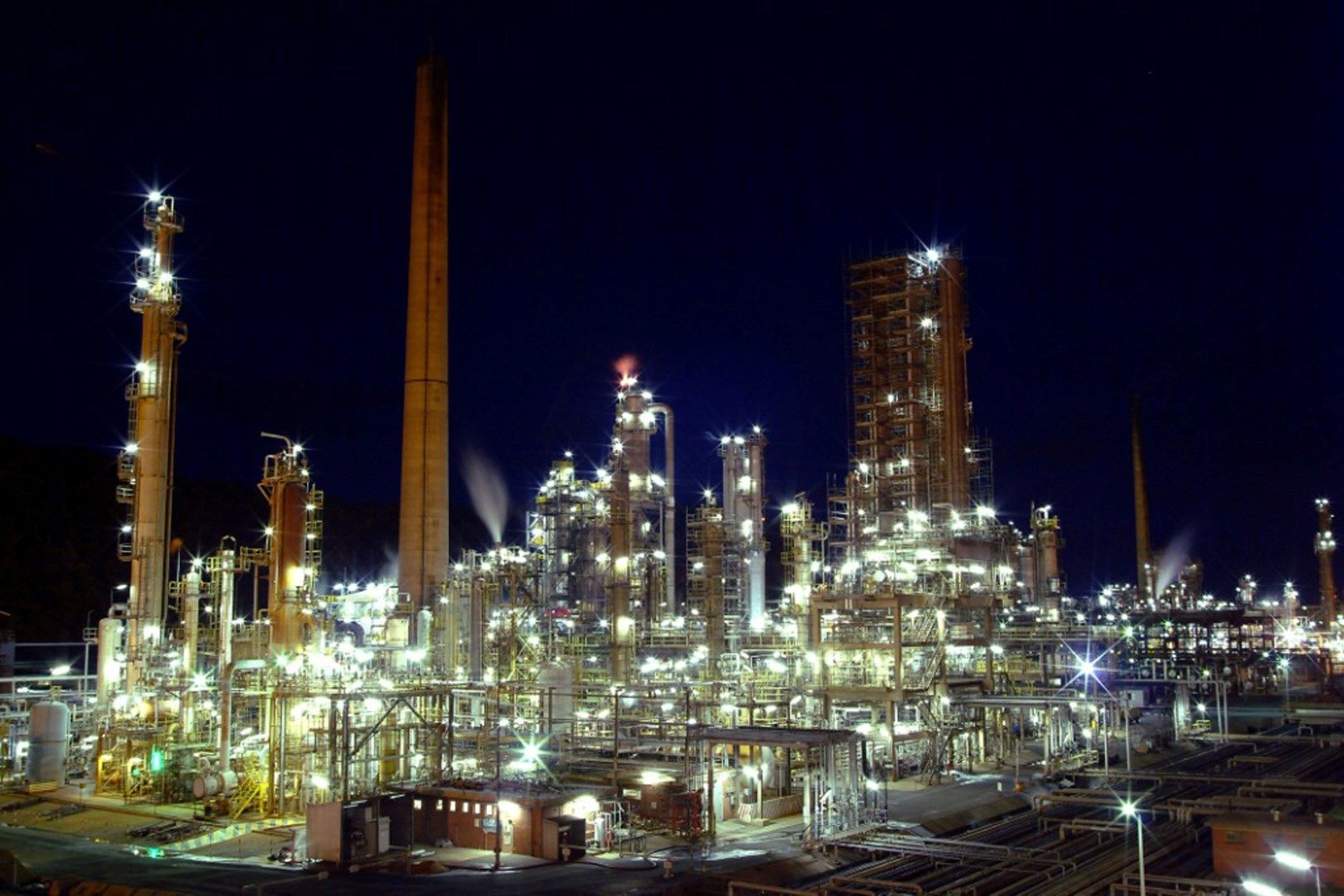
South Africa is planning to revive domestic oil refining to reduce reliance on imported fuel, according to Moneyweb. The report says about half of the country’s refining capacity is currently shut and roughly 49% of facilities are idle, underscoring the scale of the proposed revival. The plan is framed as an effort to strengthen energy security and local processing capacity.
AI summary. Verify with the original source.
Listen
Unlock audio summaries, audio summaries, AI chat, Wikipedia facts, and ad-free reading.
$3.99 / month · cancel anytime
Go PremiumBackground facts
Unlock wikipedia facts, audio summaries, AI chat, Wikipedia facts, and ad-free reading.
$3.99 / month · cancel anytime
Go PremiumSimilar stories

Senegal's national refinery is working to deepen its partnership with Sahara Group as part of efforts to tackle fuel supply challenges and strengthen the country's long-term energy security, according to Punch. The collaboration aims to address existing supply constraints while supporting the refinery's operational capacity. Details of the specific terms or scope of the strengthened partnership were not disclosed, but the move reflects Senegal's broader push to secure stable energy supplies through cooperation with established industry players.
Punch·September 10, 2026 at 12:41 AM
Dangote Refinery reported revenue of N19.5 trillion and a profit of N2.55 trillion over a six-month period, according to ThisDay Live. The company plans a $14 billion expansion aimed at doubling its capacity to 1.4 million barrels per day by 2029. The refinery's CEO warned that fuel shortages would persist beyond the Iran war, as the Middle East crisis widened with Iran-backed Houthis attacking four targets.
ThisDay Live·September 9, 2026 at 4:07 AM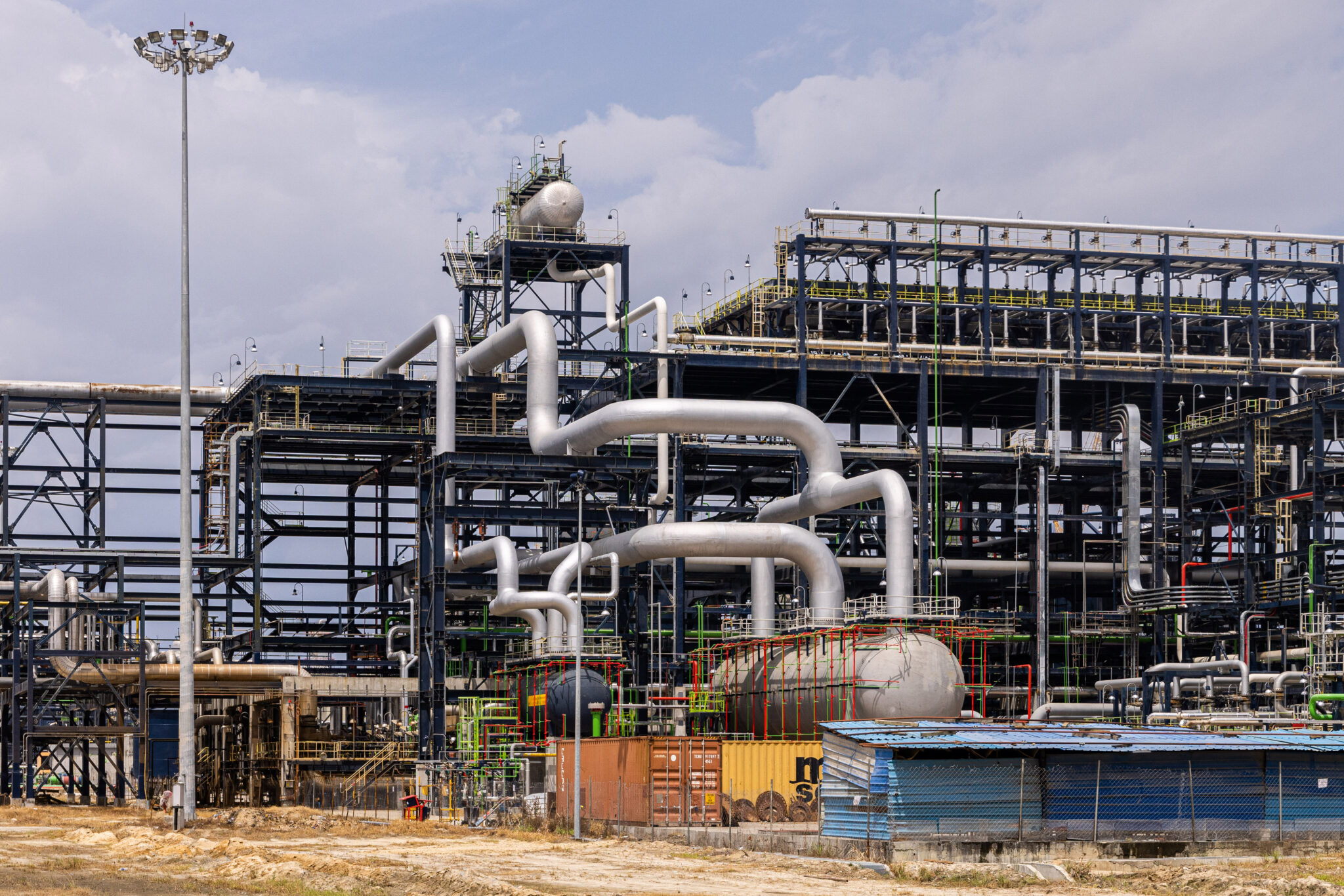
Nigeria's Dangote oil refinery, one of the world's largest, is operating at full capacity and supplying refined fuels to Europe, according to Moneyweb. Middle East oil-product supplies have dropped sharply since the start of the war, cutting off key diesel and jet fuel shipments to European markets. The Dangote refinery has stepped in to help fill the resulting supply gap, positioning Nigeria as an important alternative source of refined petroleum products for Europe during the disruption.
Moneyweb·September 8, 2026 at 12:48 PM
Aliko Dangote's planned 700,000-barrel-per-day oil refinery in Lamu, Kenya, is facing significant obstacles that could exceed those encountered at his Nigerian plant, according to Legit.ng. The project reportedly confronts challenges including securing funding, guaranteeing adequate crude oil supply, and gaps in local infrastructure. These difficulties have raised questions about the refinery's viability and future, casting uncertainty over what would be one of East Africa's largest industrial undertakings.
Legit.ng·September 9, 2026 at 2:17 PM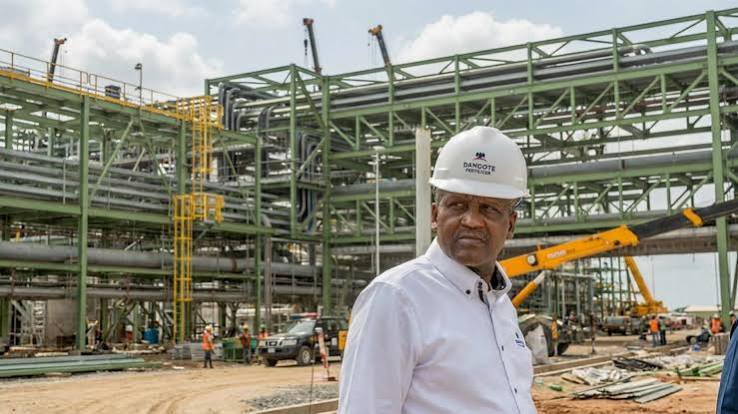
Aliko Dangote is reportedly planning to sell a partial stake in the Dangote Petroleum Refinery, Africa's largest refinery, in a deal valued at around $5 billion, according to Tori.ng. The planned financial move is intended to attract billions of dollars from investors into the facility. The refinery, located in Lagos, Nigeria, has been central to the country's efforts to cut fuel imports and boost domestic refining capacity since it began operations.
Tori.ng·September 4, 2026 at 3:18 PM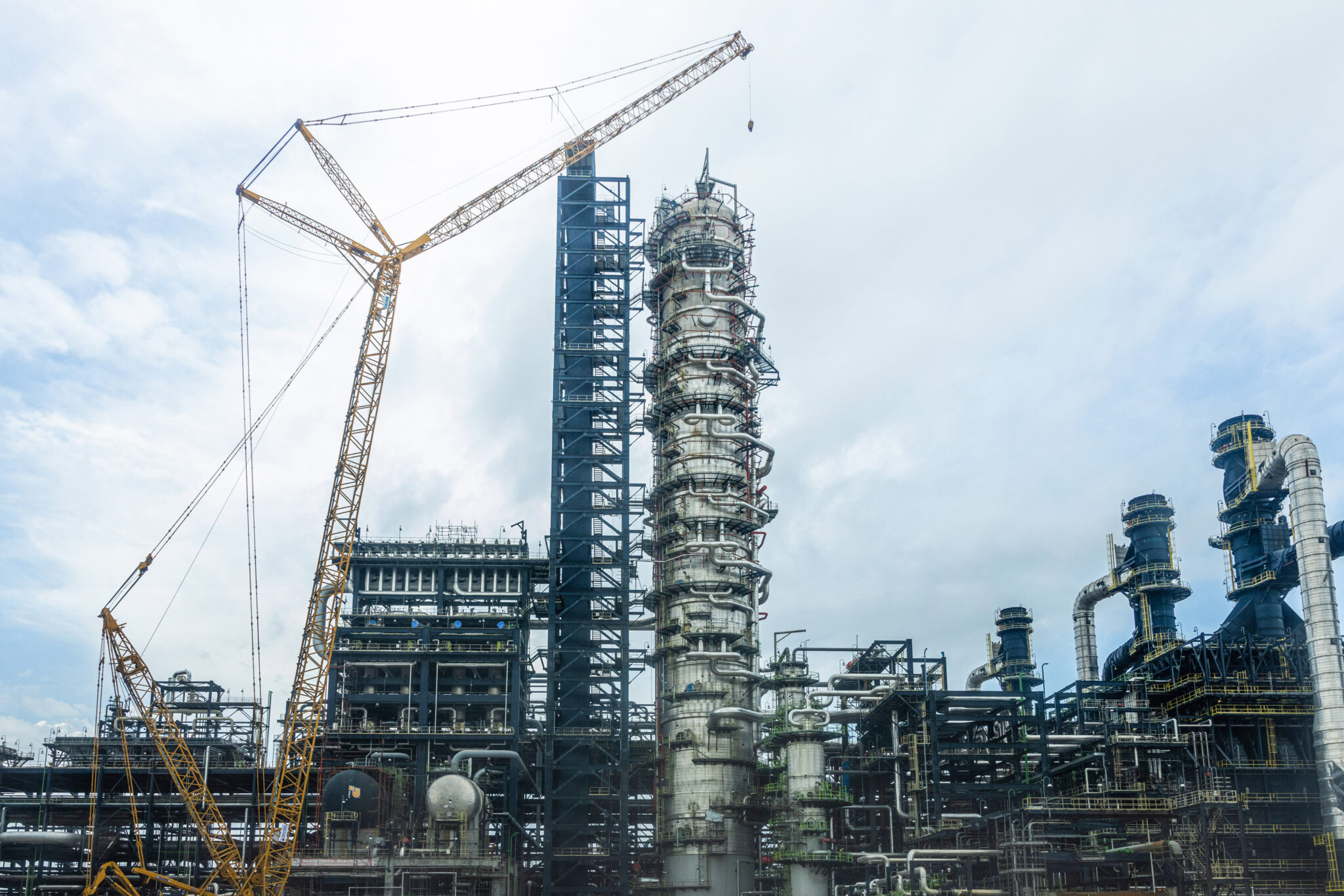
Nigeria's Dangote refinery has reduced its debt to $5.7 billion ahead of what is expected to be a record initial public offering, according to Moneyweb. The debt reduction was enabled by a swing to a profit of $1.82 billion in the six months through June, compared with a loss of $282.1 million a year earlier. The improved performance followed a ramp-up in production and higher sales at the Nigerian facility, which were boosted by the US-Iran war.
Moneyweb·September 9, 2026 at 11:18 AM