
Despite a recent decline in global crude prices, petrol remains expensive in Nigeria. Consumers are seeking relief from high prices, while marketers argue for the necessity of maintaining sustainable profit margins, according to ThisDay Live.
AI summary. Verify with the original source.
Read full story at ThisDay Live ↗
Listen
Unlock audio summaries, audio summaries, AI chat, Wikipedia facts, and ad-free reading.
$3.99 / month · cancel anytime
Go PremiumBackground facts
Unlock wikipedia facts, audio summaries, AI chat, Wikipedia facts, and ad-free reading.
$3.99 / month · cancel anytime
Go PremiumSimilar stories

Despite a significant drop in crude oil prices to $73 per barrel, petrol prices in Nigeria continue to remain high, with consumers hoping for a reduction below N1,000 per litre.
Punch·June 25, 2026 at 12:50 AM
Despite a decline in global oil prices to levels seen before the US-Iran conflict, petrol prices in Nigeria remain high, leading to rising expectations among the public for a decrease in local fuel costs, according to Naija News.
Naija News·June 25, 2026 at 4:34 AM
Depot prices for Premium Motor Spirit (PMS), or petrol, have decreased across various terminals in Lagos, with Rain Oil leading the reduction by cutting prices by N18 per litre. Additionally, diesel prices have also seen a significant drop, falling by up to N70 per litre. This adjustment in prices comes as petroleum marketers respond to changing supply dynamics in Nigeria's downstream oil market, according to Vanguard Business.
Vanguard Business·June 23, 2026 at 6:24 AM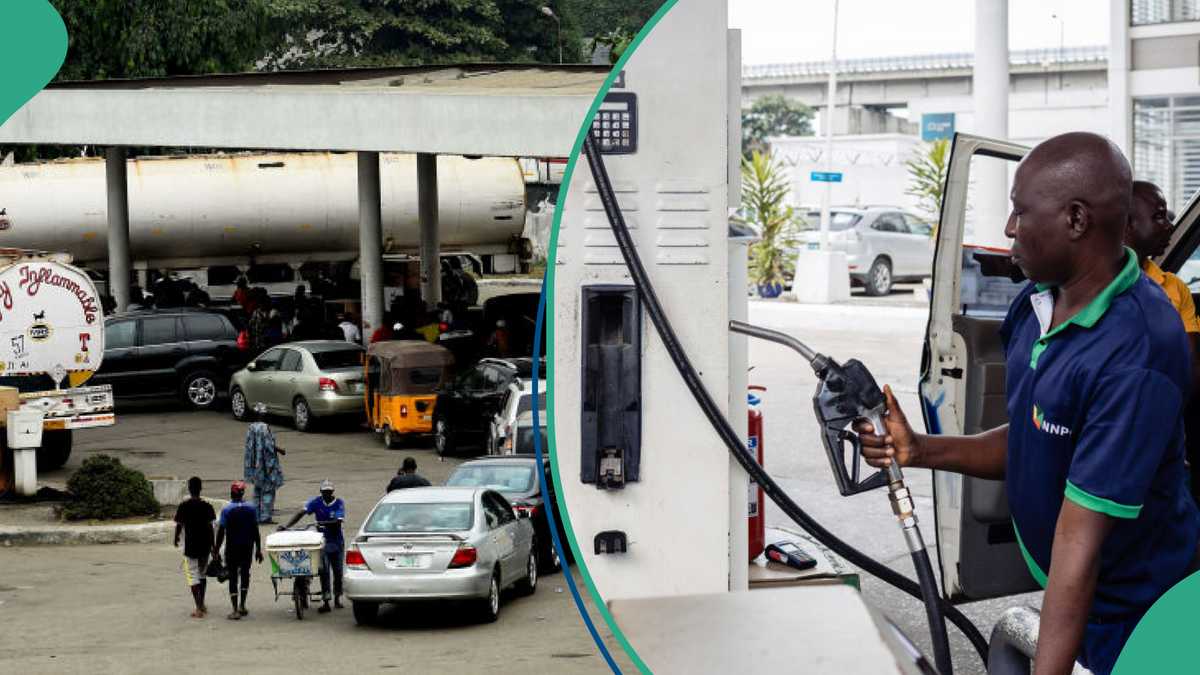
Filling stations in Nigeria, including MRS, AA Rano, and NIPCO, have decreased petrol prices following a reduction in the ex-depot price by Dangote Refinery to N1,075 per litre. This price cut has provided relief to consumers across the country.
Legit.ng·July 5, 2026 at 12:31 PM
Global oil prices have decreased to levels not seen since before the US-Iran war, leading to expectations for lower petrol prices, according to Daily Trust. Despite this drop, fuel prices in Nigeria continue to exceed N1,000, raising concerns about the slow transmission of global market changes to local consumers and businesses.
Daily Trust·June 24, 2026 at 10:05 PM
Analysts suggest that there may be relief in fuel prices as Brent crude oil prices have recently dropped significantly to approximately 73 dollars per barrel. This decline in oil prices could potentially lead to lower fuel costs for consumers.
SABC Business·June 22, 2026 at 6:30 PM