Uber's $14.8 billion deal involving Delivery Hero is advancing, with backing secured for the acquisition of food delivery service Glovo, according to Techpoint Africa's Techpoint Digest. The digest also covered a startup that attempted to digitise Nigeria's informal Danfo bus system, and a decision by a Kenyan court to overturn an 18 percent cap on ride-hailing commission fees, a ruling with implications for platforms operating in the country. The stories reflect ongoing developments in Africa's transport and delivery technology sectors.
AI summary. Verify with the original source.
Read full story at Techpoint Africa ↗
Listen
Unlock audio summaries, audio summaries, AI chat, Wikipedia facts, and ad-free reading.
$3.99 / month · cancel anytime
Go PremiumBackground facts
Unlock wikipedia facts, audio summaries, AI chat, Wikipedia facts, and ad-free reading.
$3.99 / month · cancel anytime
Go PremiumSimilar stories

Indigenous ride-hailing companies in Nigeria are positioning themselves for a larger share of the mobility market following Uber's exit from the country, according to Daily Trust. Alero Fregene, Country Head of SimpliRide Nigeria, said in a statement that Uber's departure could reshape competition in the industry rather than weaken demand for app-based transportation, adding that local operators see an opportunity to grow.
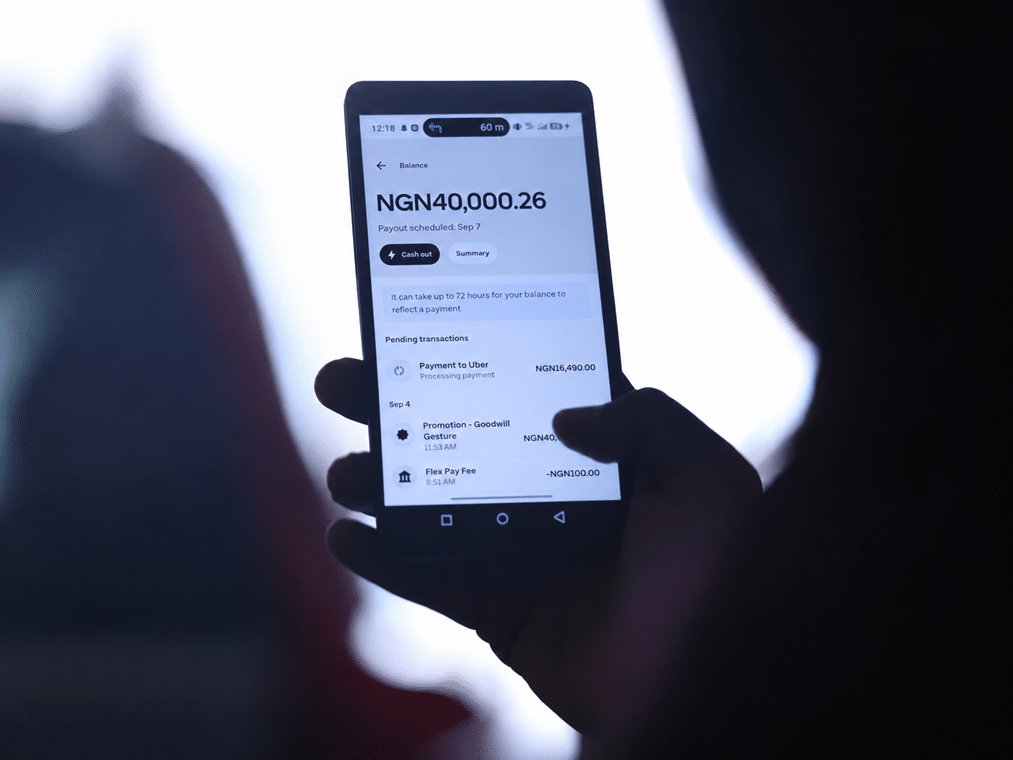
Daily Trust·September 8, 2026 at 12:20 AMFollowing Uber's exit from Nigeria this week, some drivers told Techpoint Africa they received ₦40,000 ($30.28) each as a conditional goodwill payout. According to the drivers, not everyone qualified for the full amount, with some receiving less. The payments were described as a goodwill gesture rather than compensation, and eligibility requirements meant certain drivers were excluded from the offer entirely.
Techpoint Africa·September 5, 2026 at 7:09 PM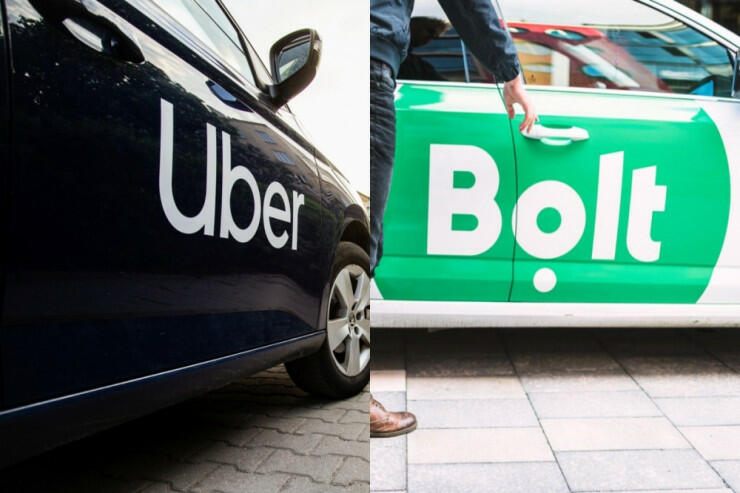
Uber announced last week that it had withdrawn from Nigeria and Uganda with immediate effect, a move that appeared to give more room to competitors such as Yango, inDrive, Bolt and Little. According to TechMoran, the exit highlights deeper challenges in African ride hailing, including multi-homing by drivers, thin profit margins, and the emerging impact of electric and autonomous mobility, rather than a simple handover of market share to rivals.
TechMoran·September 7, 2026 at 10:51 PM
Uber has exited the Nigerian market, reducing ride-hailing options for both drivers and riders, according to Techpoint Africa. The report notes that the underlying challenges that drove the company's departure from the country remain unresolved, raising questions about the operating environment for similar services in Africa's most populous nation.
Techpoint Africa·September 4, 2026 at 11:26 AM
TechCabal's daily newsletter covers several African tech and business developments, led by an investigation by Nigeria's antitrust watchdog into Uber's exit from the market. The edition also reports that South African regulator ICASA is reviewing the impact of digital platforms, the Financial Sector Conduct Authority has fined executives at Altvest, and solar company Sun King has introduced smartphone financing for customers. These stories span competition policy, digital regulation, financial enforcement, and consumer fintech across African markets.
TechCabal·September 7, 2026 at 6:25 AM
Nigeria's ride-hailing market is entering a new phase after Uber ended 12 years of operations in the country, according to Ripples Nigeria. The exit of the global e-hailing company is expected to open opportunities for indigenous platforms and new entrants. Among them is PromiseLand Innovations Limited, which is preparing to launch its ProTaxi service as competition in the evolving transportation sector intensifies.
Ripples Nigeria·September 5, 2026 at 5:57 PM