
The Federal Government of Nigeria has launched a new grain scheme aimed at supporting farmers by guaranteeing a minimum price of N350,000 per tonne for maize. According to Punch, the initiative targets about 11.5 million households and is intended to protect farmers from price volatility while strengthening food security. The programme forms part of broader government efforts to stabilise the agricultural sector and ensure farmers receive fair value for their produce across the country.
AI summary. Verify with the original source.
Listen
Unlock audio summaries, audio summaries, AI chat, Wikipedia facts, and ad-free reading.
$3.99 / month · cancel anytime
Go PremiumBackground facts
Unlock wikipedia facts, audio summaries, AI chat, Wikipedia facts, and ad-free reading.
$3.99 / month · cancel anytime
Go PremiumSimilar stories
Nigeria's Federal Government is set to spend N358 billion on electricity subsidies in the first quarter of 2026, even as the country continues to experience persistent blackouts. This expenditure occurs while electricity tariffs remain frozen, according to Punch.
Punch·July 5, 2026 at 2:31 AM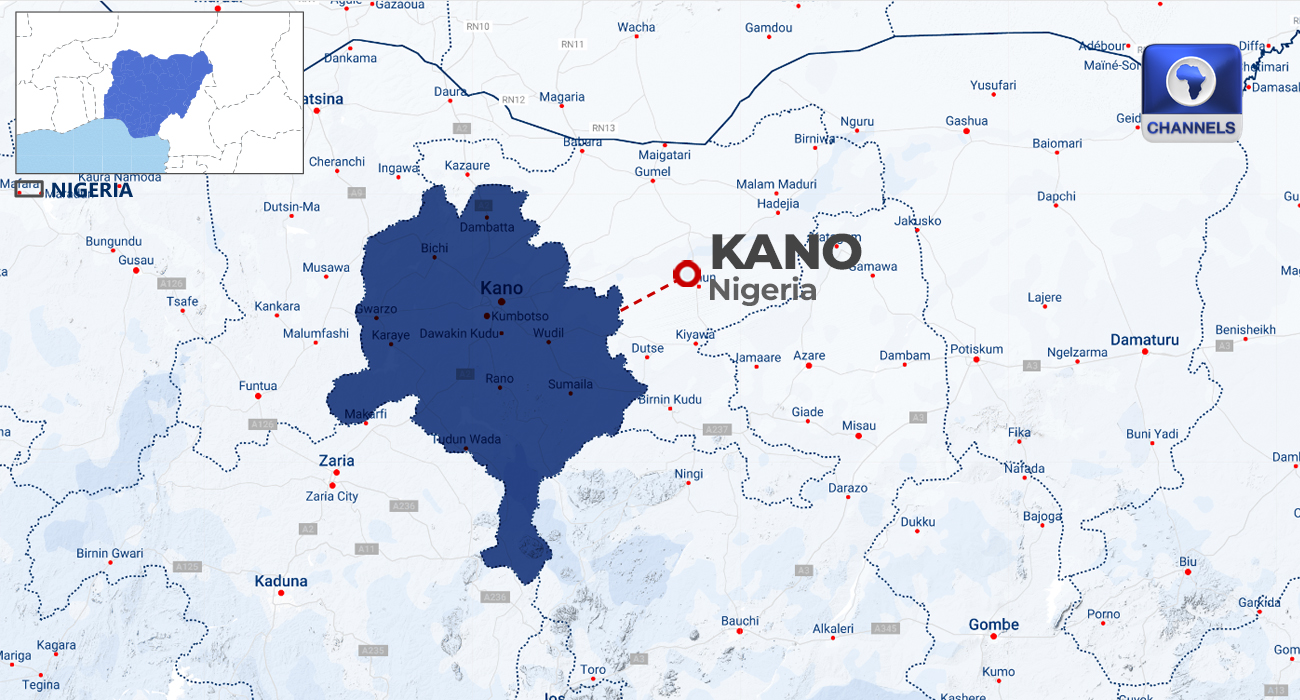
Kano has begun distributing 90,000 bags of fertiliser to farmers, which is part of a consistent supply of subsidised inputs. This initiative is reported to have resulted in higher crop yields, reduced food prices, increased rural employment, and improved food security in the state, according to Channels TV.
Channels TV·July 4, 2026 at 8:52 PMThe Federal Government has launched a 505kW solar mini-grid in Epe, Lagos, with plans for an additional 5MW expansion aimed at enhancing electricity access and supporting economic growth.
Punch·June 25, 2026 at 12:26 AM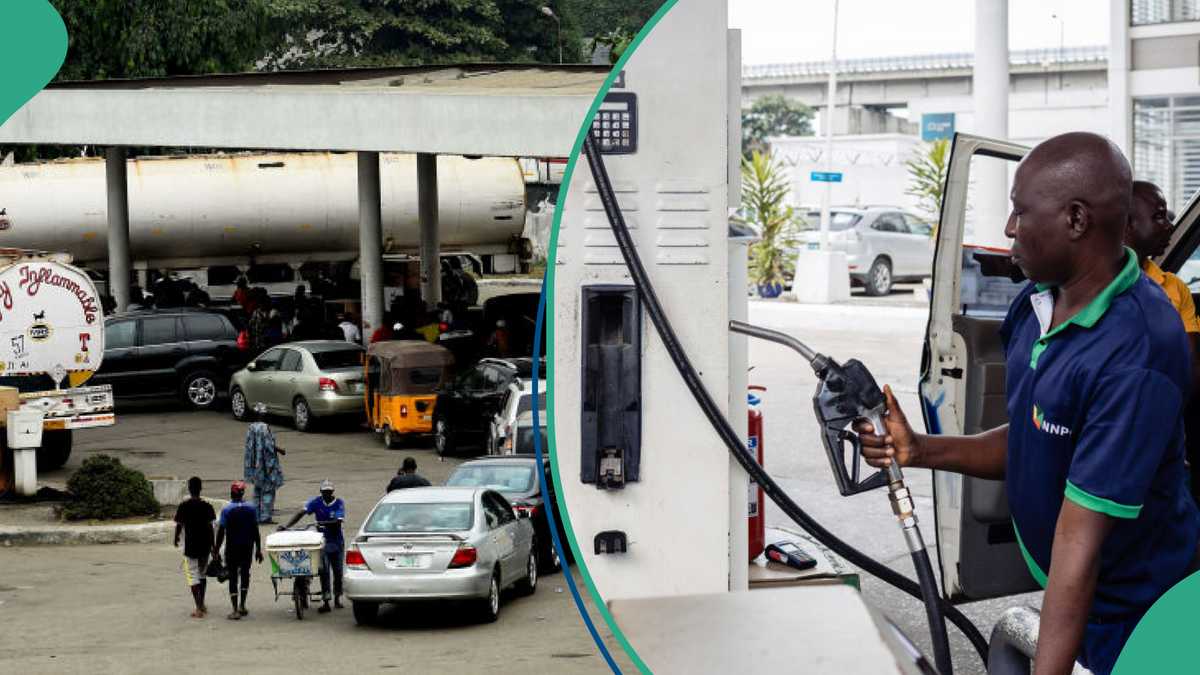
Filling stations in Nigeria, including MRS, AA Rano, and NIPCO, have decreased petrol prices following a reduction in the ex-depot price by Dangote Refinery to N1,075 per litre. This price cut has provided relief to consumers across the country.
Legit.ng·July 5, 2026 at 12:31 PM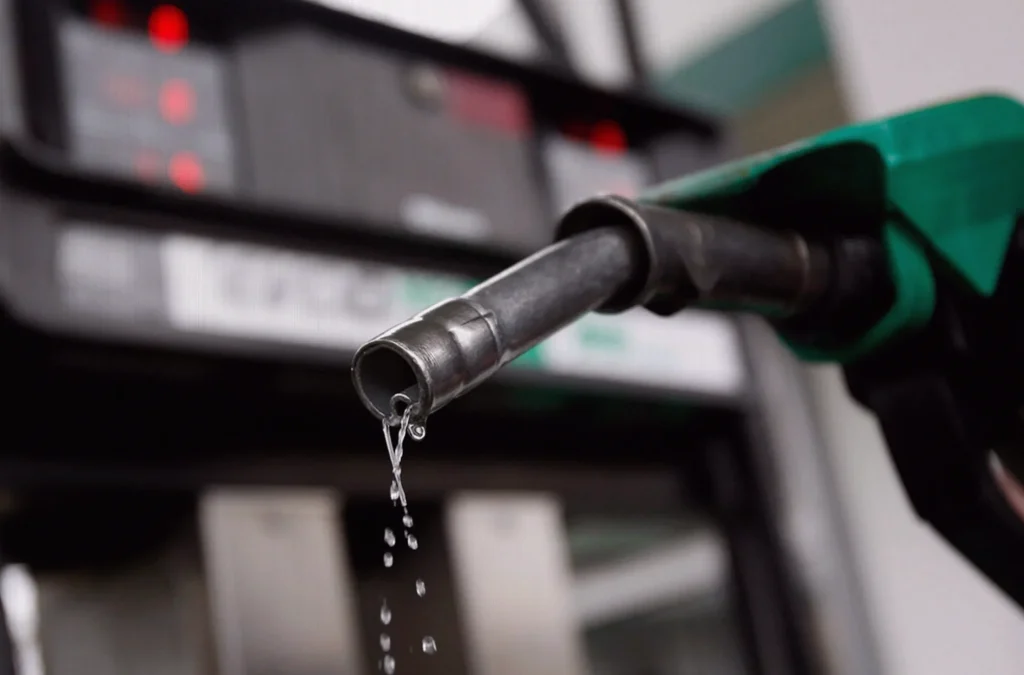
Nigerian motorists could see cheaper petrol once the country's domestic refining industry becomes stronger, more competitive and financially sustainable, according to the Nigerian Midstream and Downstream Petroleum Regulatory Authority (NMDPRA). Petrol currently sells at about N1,310 to N1,350 per litre in many parts of Nigeria, after prices rose from previous levels. The regulator's comments link future fuel affordability to the growth and viability of local refining capacity.
Zalebs·September 7, 2026 at 11:40 AM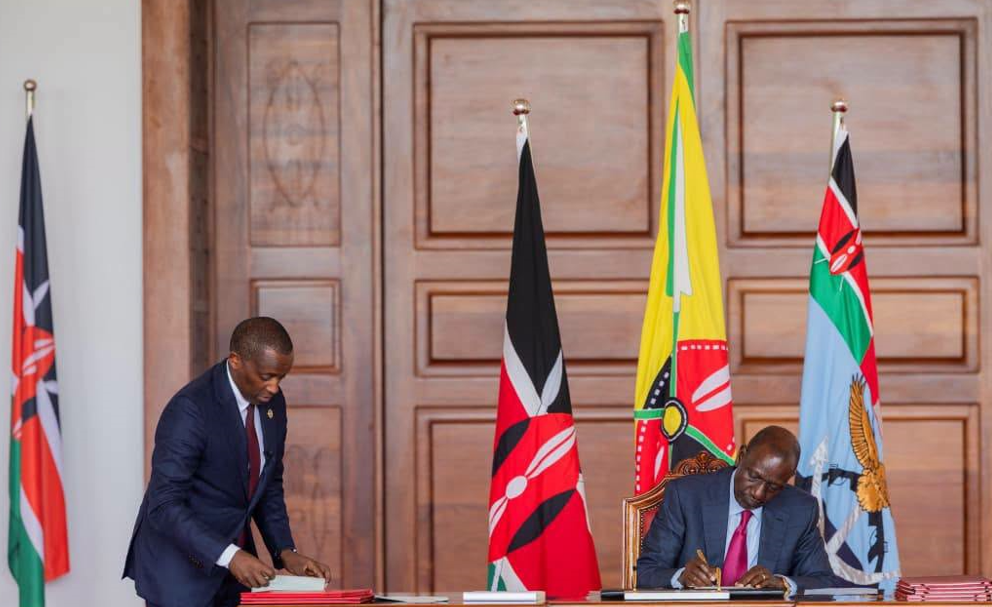
The Kenyan government has announced a Ksh 21.5 billion plan to stabilize fuel prices amid global oil market uncertainties. President William Ruto revealed this intervention on Tuesday while signing the Finance Bill 2026, aiming to prevent sharp increases in pump prices for Kenyans in the upcoming months.
Business Today (KE)·June 24, 2026 at 7:40 AM