
The Managing Director of the Federal Airports Authority of Nigeria (FAAN), Olubunmi Kuku, has dismissed claims that the agency caused Uber's reported exit from the Nigerian market. According to Ripples Nigeria, Kuku insisted that FAAN's e-hailing policy at airports was driven by concerns over passenger safety, accountability, and efforts to curb touting, rather than any action targeting the ride-hailing company.
AI summary. Verify with the original source.
Read full story at Ripples Nigeria ↗
Listen
Unlock audio summaries, audio summaries, AI chat, Wikipedia facts, and ad-free reading.
$3.99 / month · cancel anytime
Go PremiumBackground facts
Unlock wikipedia facts, audio summaries, AI chat, Wikipedia facts, and ad-free reading.
$3.99 / month · cancel anytime
Go PremiumSimilar stories
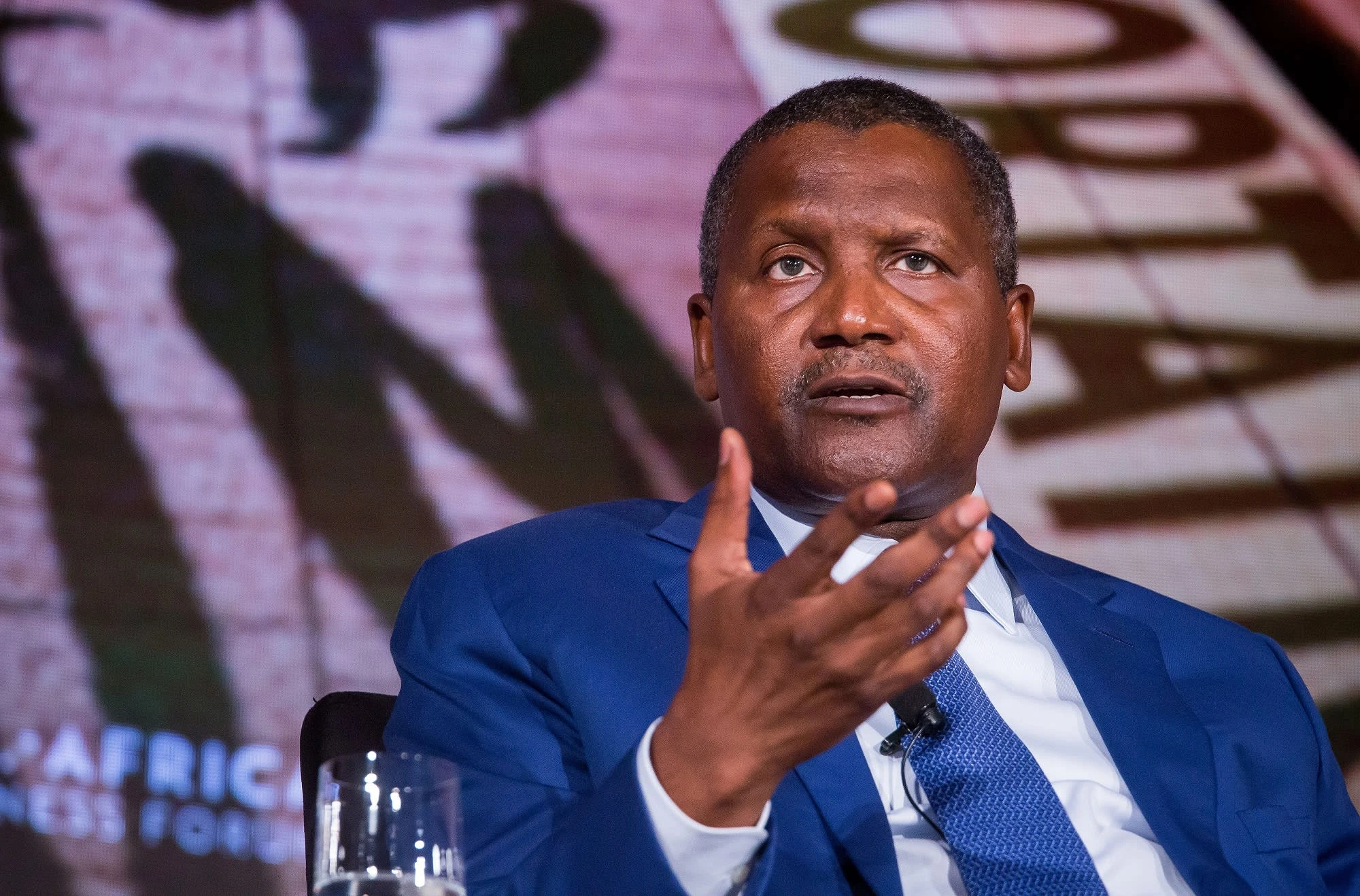
A Nairametrics opinion piece argues that Nigerian industrialist Aliko Dangote should be seen as a nation builder rather than merely a businessman. The article opens by noting that Uber switched off its app in Nigeria on September 2, 2026, after twelve years, officially citing a thorough review of its business, but according to the author actually concluding that operating costs in Nigeria were too high. The piece uses this exit to frame its argument about Dangote's role in the country.
Nairametrics·September 7, 2026 at 12:49 PM
Nigeria's ride-hailing market is entering a new phase after Uber ended 12 years of operations in the country, according to Ripples Nigeria. The exit of the global e-hailing company is expected to open opportunities for indigenous platforms and new entrants. Among them is PromiseLand Innovations Limited, which is preparing to launch its ProTaxi service as competition in the evolving transportation sector intensifies.
Ripples Nigeria·September 5, 2026 at 5:57 PM
The Federal Government of Nigeria has officially handed over the Akanu Ibiam International Airport in Enugu to Aero Alliance Limited, following a public-private partnership agreement. The handover included the execution of certificates and relevant documentation, allowing Aero Alliance to finance, rehabilitate, expand, operate, and manage the airport.
African Examiner·June 26, 2026 at 4:39 PM
Uber has decided to exit Nigeria after 12 years of operating in the country, according to TechCabal. The report states that the ride-hailing company concluded the Nigerian market could not deliver the economies of scale needed to support its future ambitions, with the average ride costing around $14. The departure marks the end of more than a decade of Uber's presence in one of Africa's largest economies, highlighting the challenges global tech firms face in sustaining operations in the region.
TechCabal·September 5, 2026 at 9:41 AM
Uber has exited the Nigerian and Ugandan markets, a move that, according to TechCabal, marks the end of Silicon Valley's unhedged expansion across Africa. The ride-hailing company's departure from Nigeria is presented as a signal of the challenges facing United States technology firms that expanded aggressively on the continent without adequately adapting to local market conditions. The analysis frames Uber's withdrawal as part of a broader reassessment of growth strategies by global tech companies operating in African markets.
TechCabal·September 6, 2026 at 1:53 PM
According to TechTrends KE, vehicle-financing company Moove is considering leaving Nigeria after Uber ended operations there, disrupting the Lagos ride-hailing market that underpinned its model. Moove financed cars for drivers and tied repayments to earnings, so access to a functioning ride-hailing marketplace was central to its original business. The report says Uber’s exit puts fresh pressure on that approach and raises uncertainty about Moove’s future in its founding market.
TechTrends KE·September 7, 2026 at 4:17 PM