
East African human rights organisations, including the East African Law Society and the Kenya National Commission on Human Rights, have cautioned President William Ruto over his administration's crackdown on foreign-run small businesses. According to the Eastleigh Voice, the bodies warned that enforcement must comply with the law and avoid discrimination, profiling, and rights violations against foreign nationals operating in Kenya.
AI summary. Verify with the original source.
Read full story at Eastleigh Voice ↗
Listen
Unlock audio summaries, audio summaries, AI chat, Wikipedia facts, and ad-free reading.
$3.99 / month · cancel anytime
Go PremiumBackground facts
Unlock wikipedia facts, audio summaries, AI chat, Wikipedia facts, and ad-free reading.
$3.99 / month · cancel anytime
Go PremiumSimilar stories
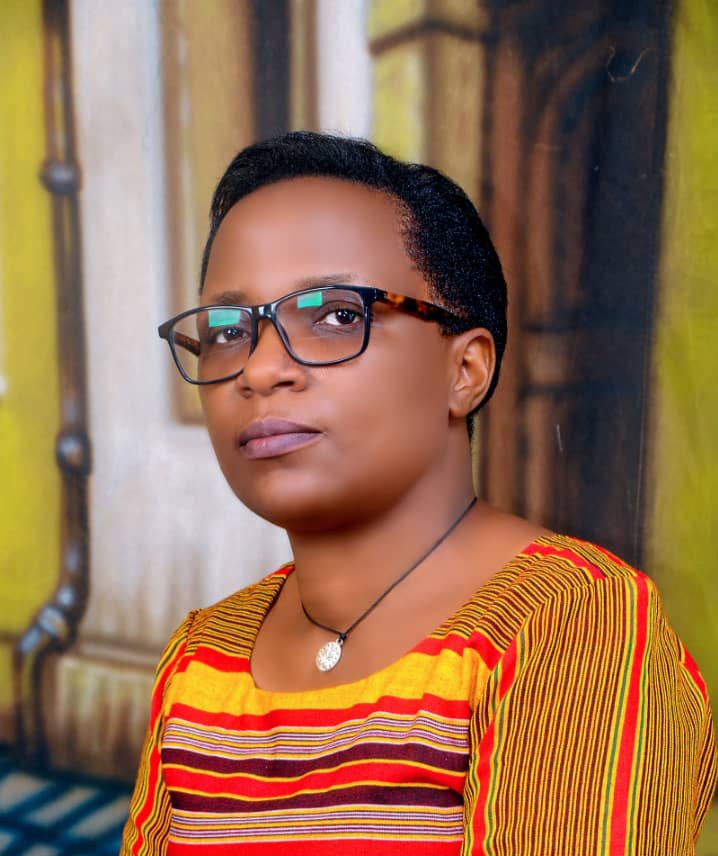
Kenyan President William Ruto has issued a directive targeting foreign-owned small businesses, causing anxiety among traders across East Africa, particularly Ugandans operating in Kenya. According to NTV Kenya, civil society organisations have challenged the move as unconstitutional. Commentator Kiwala Caroline Tahir, writing for Watchdog Uganda, argues the directive should serve as a wake-up call for Uganda to strengthen its domestic business environment so that its traders can build sustainable enterprises at home rather than depending on opportunities abroad.
Watchdog Uganda·September 8, 2026 at 5:22 AM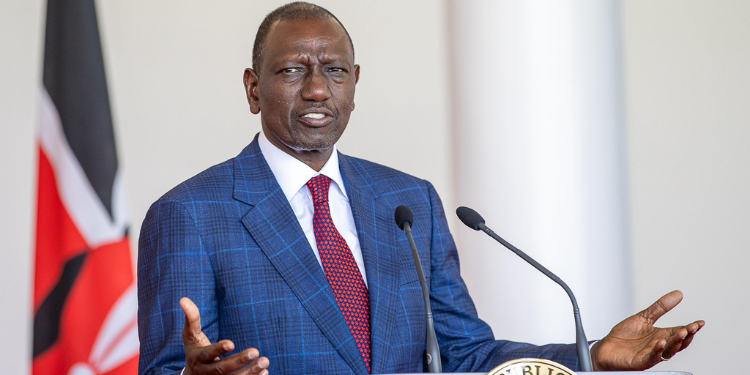
The Kenyan government has clarified President William Ruto's directive targeting foreigners engaged in small-scale businesses. Government spokesperson Charles Owino said on September 7 that the measures aim to regulate informal trade and protect local livelihoods, not to ban East African nationals from the country. According to the government, the core intent is to protect vulnerable sectors of the economy rather than exclude foreign traders entirely.
The Kenya Times·September 8, 2026 at 4:21 AM
Kenyan political analyst Arnold Maliba has argued that Burundian nationals are not the country's real problem, blaming President William Ruto's leadership instead, according to Tuko. The remarks follow Ruto's 2 September announcement of a crackdown on foreign hawkers and small-scale traders, with enforcement beginning on 7 September. The directive has drawn criticism from figures like Maliba, who contend the government's economic management, rather than foreign traders, is to blame for Kenya's challenges.
Tuko·September 7, 2026 at 1:44 PM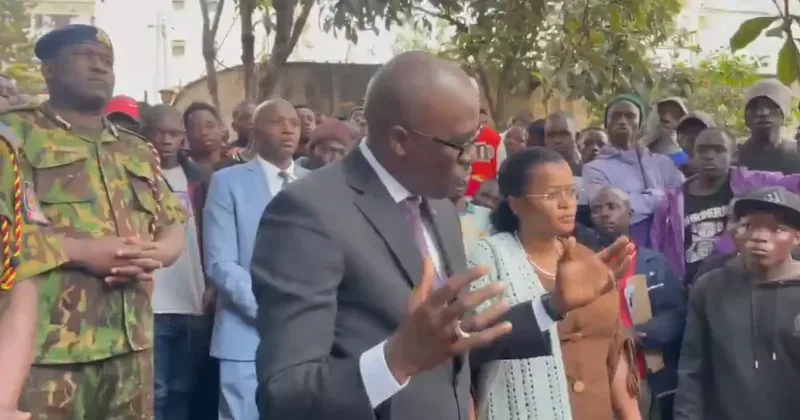
The East Africa Law Society (EALS) has called on the Kenyan government to ensure its crackdown on unlicensed foreign traders is conducted in accordance with the law. In a statement issued in Nairobi, the regional legal body emphasised that enforcement measures against illegal foreign traders must follow due process and respect legal standards. The appeal comes as Kenyan authorities pursue action against foreign nationals trading without proper licences, a move that has drawn attention from legal and business stakeholders across East Africa.
Capital FM Business·September 8, 2026 at 9:30 AM
A trader at Nairobi's Gikomba market has explained why she prefers hiring Burundian workers, as President Ruto's government cracks down on foreigners employed in small businesses. According to Tuko, the trader warned that the departure of Burundian shoe washers from the market is affecting operations, highlighting her concerns over the impact of the enforcement measures targeting foreign workers in the informal sector.
Tuko·September 7, 2026 at 2:28 PM
Hundreds of foreign traders, including Ugandans, have begun leaving Kenya after a directive by President William Ruto restricting foreigners from small-scale trade took effect on 7 September, according to the Uganda Standard. A group of affected Ugandans arrived at the Busia border crossing after departing Kenya. Ruto issued the order on 2 September, prompting the exodus of hawkers and other foreign small-scale traders from the country.
Uganda Standard·September 8, 2026 at 5:17 AM