
According to The Conversation Africa, transactional sex, defined as the exchange of sexual relations for money, food, or favors, is prevalent among young people in Africa. Studies indicate that approximately 10% of individuals aged 15-24 in South Africa, 23% in Nigeria, and 25% in Uganda engage in this behavior. This practice has been linked to negative outcomes such as unwanted pregnancies, sexual violence, and HIV infections.
AI summary. Verify with the original source.
Read full story at The Conversation Africa ↗
Listen
Unlock audio summaries, audio summaries, AI chat, Wikipedia facts, and ad-free reading.
$3.99 / month · cancel anytime
Go PremiumBackground facts
Unlock wikipedia facts, audio summaries, AI chat, Wikipedia facts, and ad-free reading.
$3.99 / month · cancel anytime
Go PremiumSimilar stories

According to The Conversation Africa, discussions around forced labor often focus on scam centers in West Africa, which are typically depicted with fortified complexes and armed guards. However, new research suggests that there are various forms of coercion involved in cybercrime, challenging the prevailing stereotypes and highlighting the complexity of the issue.
The Conversation Africa·June 22, 2026 at 9:40 AM
In Nigeria, a growing number of young women, particularly students, are opting to sell their eggs for financial gain, often to cover tuition fees and other expenses. Fertility clinics have become popular venues for this practice, as reported by Weekend Trust. The trend raises concerns about the long-term implications for the women involved and their futures.
Daily Trust·July 4, 2026 at 9:18 AM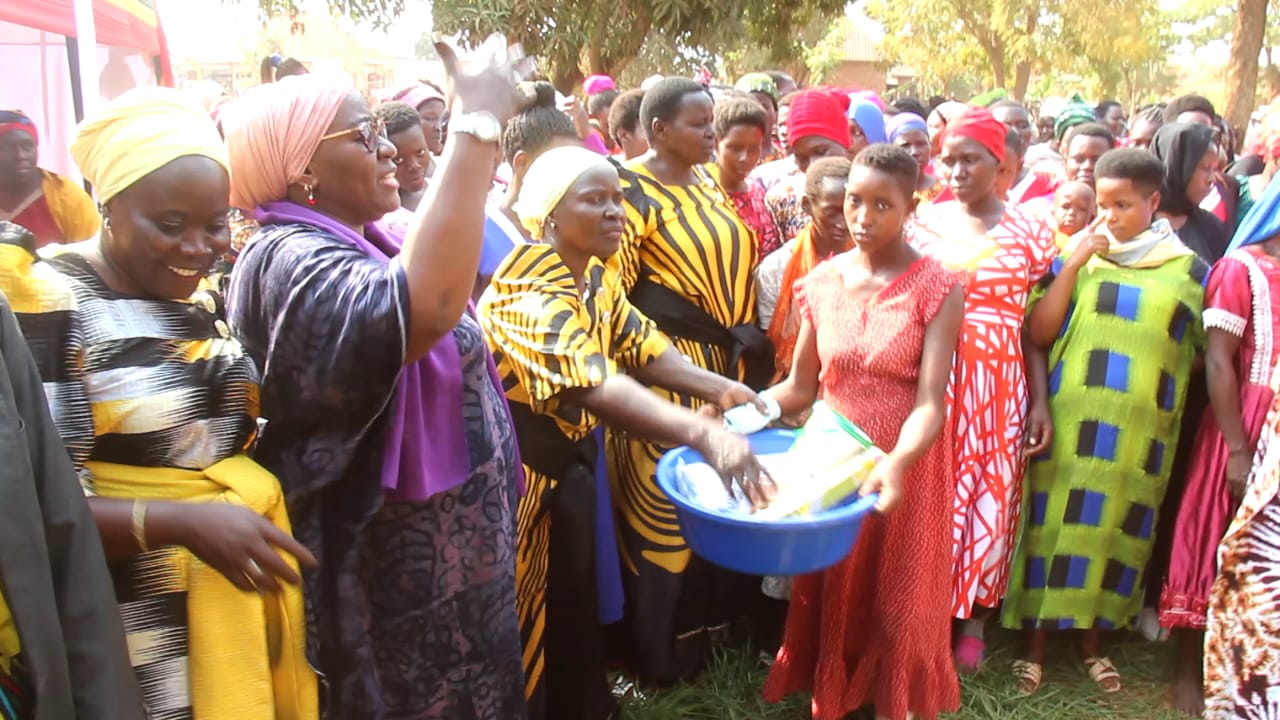
In Kayunga District, teenage pregnancies have become a significant concern, with nearly one in five deliveries at Bbaale Health Centre IV involving girls under 18. Health officials reported that in the past six months, 107 out of 570 mothers who delivered at the facility were below this age. The issue has been exacerbated by allegations of relatives coercing young girls into sexual relationships, which was highlighted during an International Women’s Day event at the health centre.
The Scribe (UG)·July 1, 2026 at 4:46 PM
Christine Lagarde, president of the European Central Bank, emphasized at the Munich Security Conference in February 2026 that trade is as much a security issue as an economic one. Her remarks, while focused on Europe, resonate with the challenges faced by Africa's 54 economies, which are navigating a complex situation requiring them to remain integrated in the global economy for development while addressing various tensions.
The Conversation Africa·June 24, 2026 at 9:09 AM
The article discusses the history of Appolonia, an African kingdom that resisted the transatlantic slave trade, which was a complex and highly commercialized global enterprise from the 16th to the 19th century. It highlights that the events of this period cannot be simplified into a narrative of just perpetrators and victims, as over 12.5 million Africans were dehumanized and commodified, while also noting the limitations faced by Europeans in terms of geographical knowledge and immunity to diseases.
The Conversation Africa·June 26, 2026 at 10:17 AMHealth workers in Uganda are advocating for expanded age-appropriate sexuality education for girls to help reduce the incidence of unsafe abortions. During a Media Café organized by the Health Journalists Network Uganda (HEJNU), Joyce Najjemba, a nursing officer at Mulago Specialised Women and Neonatal Hospital, emphasized the importance of this education in addressing the high number of unsafe abortions reported in the country.
HEJNU (UG)·June 13, 2026 at 6:26 PM