
The African Regional Organisation of the International Trade Union Confederation (ITUC-Africa) has cautioned Kenyan President William Ruto against blaming African migrant traders for the country's economic difficulties. The union body said unemployment, inequality and informality should not be attributed to nationality. Its warning followed recent remarks by Ruto directing action against foreign nationals engaged in hawking. ITUC-Africa urged that migrant traders not be made scapegoats for Kenya's economic woes, according to Tribune Online.
AI summary. Verify with the original source.
Read full story at Tribune Online (NG) ↗
Listen
Unlock audio summaries, audio summaries, AI chat, Wikipedia facts, and ad-free reading.
$3.99 / month · cancel anytime
Go PremiumBackground facts
Unlock wikipedia facts, audio summaries, AI chat, Wikipedia facts, and ad-free reading.
$3.99 / month · cancel anytime
Go PremiumSimilar stories
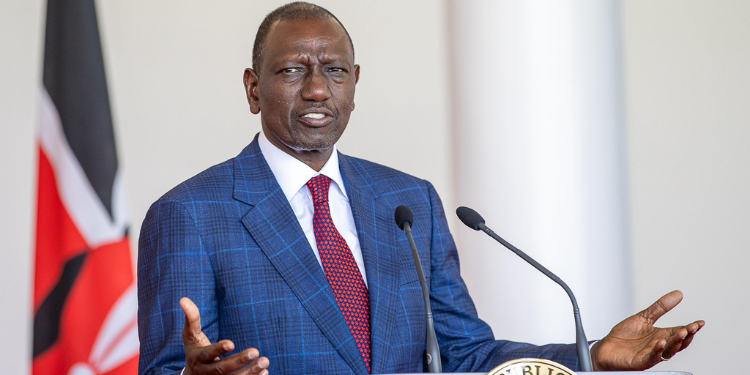
The Kenyan government has clarified President William Ruto's directive targeting foreigners engaged in small-scale businesses. Government spokesperson Charles Owino said on September 7 that the measures aim to regulate informal trade and protect local livelihoods, not to ban East African nationals from the country. According to the government, the core intent is to protect vulnerable sectors of the economy rather than exclude foreign traders entirely.
The Kenya Times·September 8, 2026 at 4:21 AM
Concerns about xenophobia are growing in Kenya following President William Ruto's order for a crackdown on foreigners working as hawkers. According to the Eastleigh Voice, the move has raised fears that foreign nationals could face discrimination or hostility. The Kenyan government has, however, insisted that foreign traders who are legally documented will remain protected under the law. The development has drawn attention to the treatment of migrant workers and traders in the country, as authorities balance enforcement measures with assurances of protection for those with valid documentation.
Eastleigh Voice·September 9, 2026 at 5:40 PM
Kenyan President William Ruto has directed that the Local Content Bill, 2025, be expanded to regulate foreign participation in small-scale trade, giving foreign traders 90 days as certain business activities are set to be reserved for Kenyan citizens. According to State House Spokesperson Hussein Mohamed, the move responds to complaints from local traders about the impact of foreign operators on micro and small enterprises in the informal sector.
Nairobi Wire·September 9, 2026 at 3:49 AM
Kenyan President William Ruto has issued a directive targeting foreign-owned small businesses, causing anxiety among traders across East Africa, particularly Ugandans operating in Kenya. According to NTV Kenya, civil society organisations have challenged the move as unconstitutional. Commentator Kiwala Caroline Tahir, writing for Watchdog Uganda, argues the directive should serve as a wake-up call for Uganda to strengthen its domestic business environment so that its traders can build sustainable enterprises at home rather than depending on opportunities abroad.
Watchdog Uganda·September 8, 2026 at 5:22 AM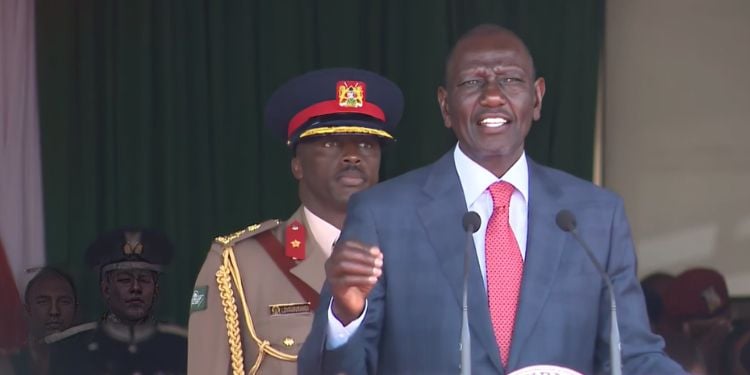
Kenyan President William Ruto has granted foreign nationals running businesses in the country, including Burundians, a 90-day window to regularise their immigration status and business operations. According to The Kenya Times, the directive is part of a government effort to tighten enforcement of rules governing small-scale trade. The move follows complaints from Kenyan traders about the increasing involvement of foreigners in small-scale businesses and the informal trade sector.
The Kenya Times·September 8, 2026 at 9:55 AM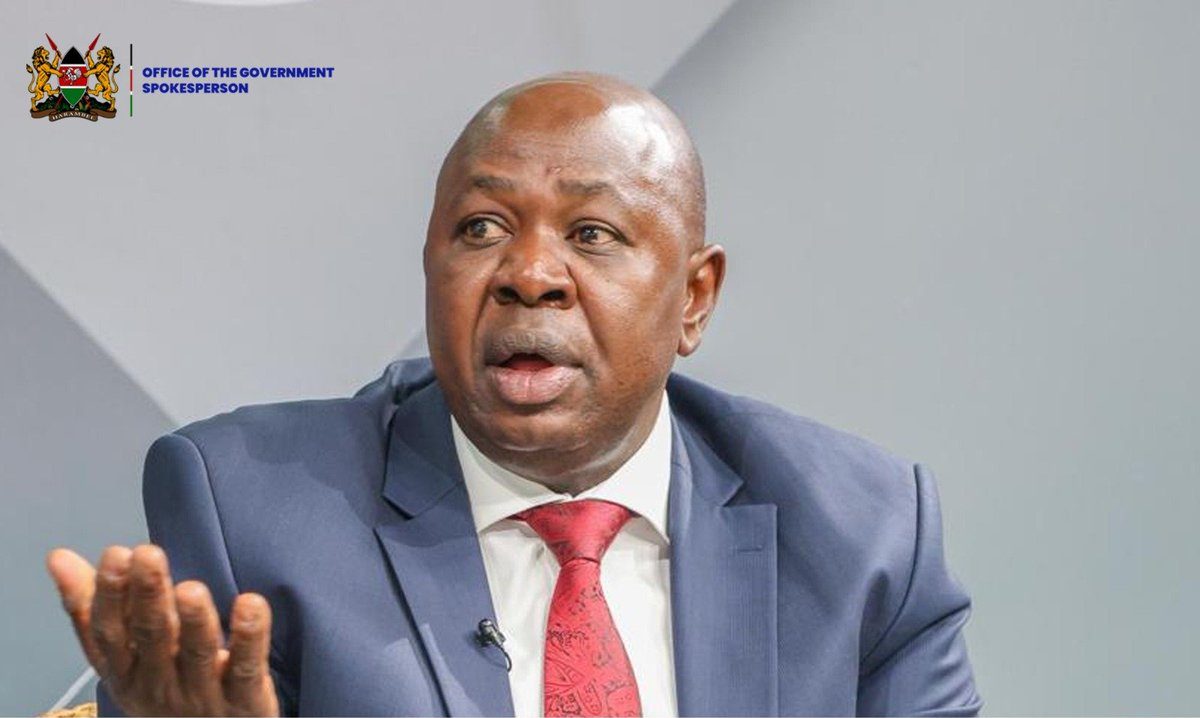
Kenya has opened a formal registration and documentation window for undocumented East African Community nationals living and working in the country, following anxiety over President William Ruto's directive targeting foreigners in small-scale trade. According to SoftPower News, Government Spokesperson Charles Owino announced the move on Monday as authorities sought to clarify the EAC trade policy and address concerns among affected communities.
SoftPower News·September 8, 2026 at 4:34 PM