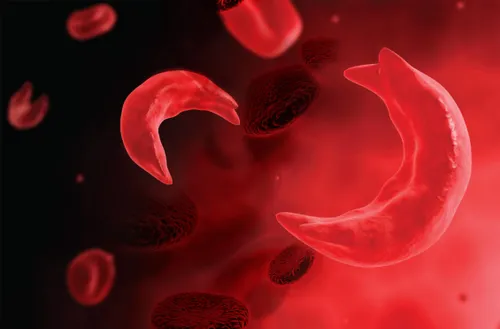
An Observer (UG) report examines whether Uganda could help reduce Africa's reliance on imported medicines, focusing on the challenge of accessing treatment for sickle cell disease. The report notes that nearly 80 per cent of the global sickle cell burden falls on sub-Saharan Africa, and that, according to the World Health Organization, about 240,000 children are born with the condition each year. It highlights how families often find that medication, though available, remains out of reach where it is needed most.
AI summary. Verify with the original source.
Read full story at The Observer (UG) ↗
Listen
Unlock audio summaries, audio summaries, AI chat, Wikipedia facts, and ad-free reading.
$3.99 / month · cancel anytime
Go PremiumBackground facts
Unlock wikipedia facts, audio summaries, AI chat, Wikipedia facts, and ad-free reading.
$3.99 / month · cancel anytime
Go PremiumSimilar stories
IOL reports that Senegal’s locally manufactured hydroxyurea and Nigeria’s sickle-cell research are expanding Africa’s capacity to treat sickle cell disease, which disproportionately affects the continent. The report says the efforts strengthen regional responses, but significant obstacles remain around access, affordability and broader care for patients across affected countries within health systems.
IOL·September 8, 2026 at 12:00 PMThe Ministry of Health (MOH) is set to commemorate World Sickle Cell Day in Jinja, while children in Busoga suffering from the hereditary blood disorder face challenges due to shortages of hydroxyurea, a critical medication for alleviating pain and complications. Hydroxyurea was recently included in the essential medicines list, according to reports.
HEJNU (UG)·June 19, 2026 at 8:58 AM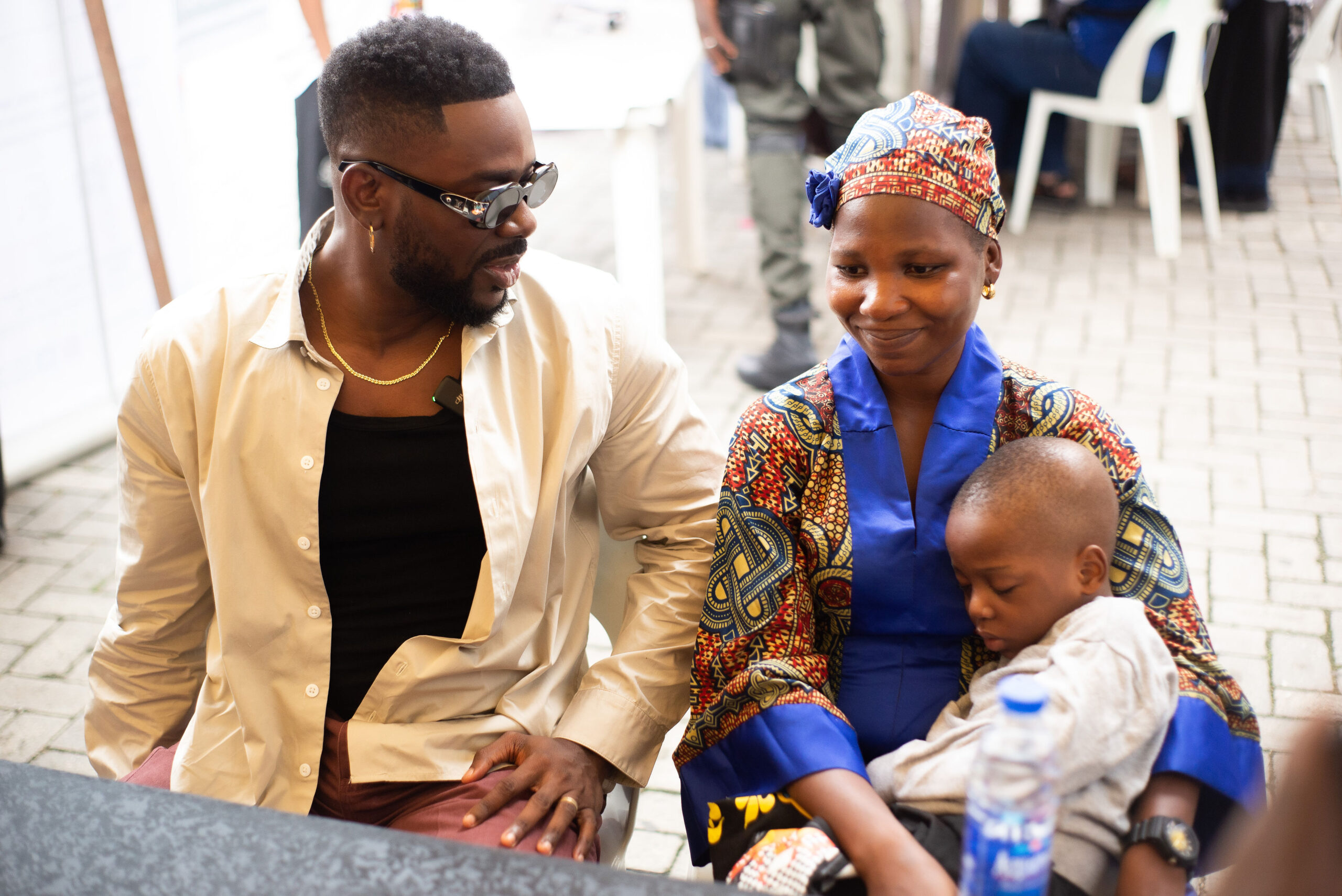
On June 20, 2026, the Adekunle Gold Foundation conducted its quarterly sickle cell medical outreach at the Akerele Medical Centre in Surelere, Lagos State, providing medical support to over 500 individuals living with sickle cell disease. This initiative was carried out in partnership with the Sickle Cell Advocacy & Management Initiative, coinciding with World Sickle Cell Day.
BellaNaija·June 23, 2026 at 9:29 AM
Uganda is facing a growing cancer burden, with over 37,000 new diagnoses and nearly 28,000 deaths annually, according to recent estimates. Cervical cancer is the leading cause of cancer deaths among women, while prostate cancer is the most prevalent among men. This situation is putting significant pressure on patients, families, and the healthcare system.
The Observer (UG)·June 25, 2026 at 12:49 AM
Uganda faces questions over its ambition to become a regional hub for advanced medical care while wealthy citizens continue seeking cancer treatment abroad, according to The Observer. The commentary notes that the Uganda Cancer Institute is making progress, having performed two bone marrow transplants and preparing further services, but argues the country must build a cancer care system that all Ugandans can trust and rely upon domestically rather than travelling overseas.
The Observer (UG)·September 9, 2026 at 4:32 AM
A new report suggests that governments and global health donors should explore the potential of private pharmacies as a means to enhance access to care for HIV, tuberculosis, and malaria. This recommendation comes in light of decreasing funding for public health systems globally. The report is titled "Private Pharmacies as a Delivery Channel for HIV, TB, and Malaria Care."
Uganda Standard·June 24, 2026 at 4:01 PM