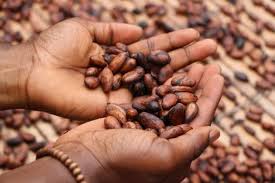
Kenya's next economic challenge should not simply be to export more, but to capture more value from what it already produces, according to Capital FM. The outlet argues the country must stop exporting wealth in raw form and instead add value to its output domestically.
AI summary. Verify with the original source.
Read full story at Capital FM (KE) ↗
Listen
Unlock audio summaries, audio summaries, AI chat, Wikipedia facts, and ad-free reading.
$3.99 / month · cancel anytime
Go PremiumBackground facts
Unlock wikipedia facts, audio summaries, AI chat, Wikipedia facts, and ad-free reading.
$3.99 / month · cancel anytime
Go PremiumSimilar stories
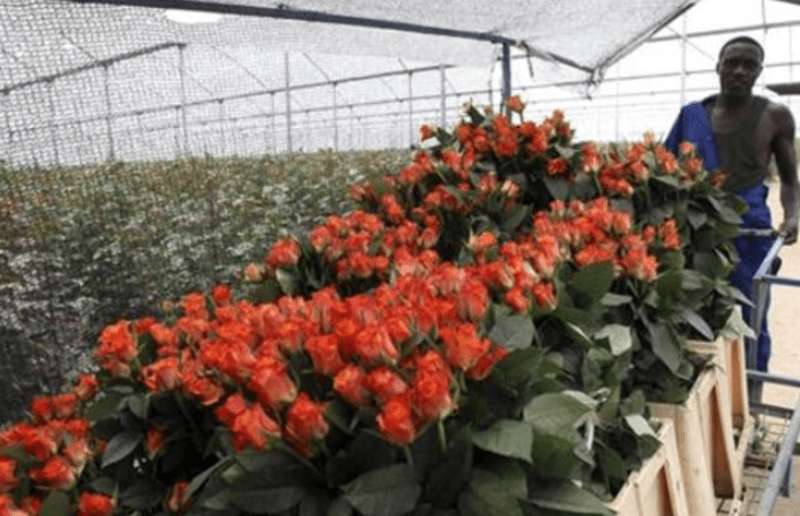
Kenya's exports now contribute 45 per cent less to the national economy than they did two decades ago, according to a report cited by the Eastleigh Voice. The decline means exports account for nearly half their former share of economic output, even though the overall value of Kenya's economy has grown over the same period. The findings point to a long-term weakening of the country's export sector relative to other drivers of growth.
Eastleigh Voice·September 8, 2026 at 3:07 PM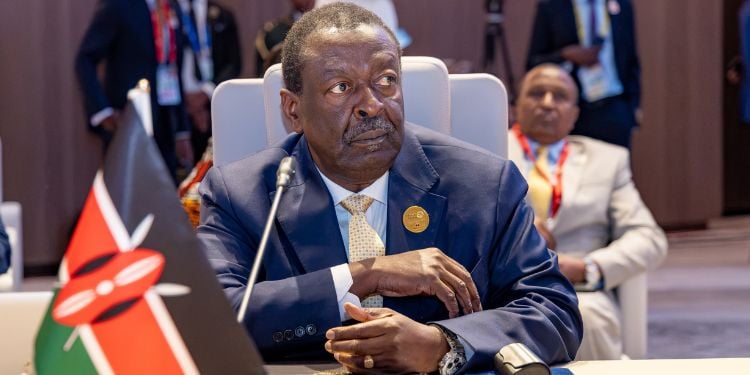
Kenya's Prime Cabinet Secretary for Foreign and Diaspora Affairs, Musalia Mudavadi, has outlined a renewed government effort to expand the country's value-added exports as part of a broader economic shift. Speaking at a diplomatic briefing in Nairobi on Thursday, September 10, 2026, Mudavadi said Kenya aims to position itself as a manufacturing base and digital hub, according to The Kenya Times. The initiative signals a new direction for the country's export strategy and economic priorities.
The Kenya Times·September 10, 2026 at 8:28 AM
In an opinion piece for Soko Directory, Fred Waithaka argues that Kenya's digital economy has become a measurable force rather than a distant aspiration, citing figures that demonstrate its growth. He contends that while Kenya should draw lessons from global experiences, its digital and economic policies must be grounded in the country's own realities rather than copied wholesale from abroad. The commentary calls for locally informed policymaking to sustain the sector's momentum.
Soko Directory·September 8, 2026 at 6:21 AM
Kenya is importing milk from neighbouring countries, including Uganda, as prolonged dry conditions and falling local production strain the country's dairy sector. Kenya's Cabinet Secretary for Investments, Trade and Industry, Lee Kinyanjui, confirmed on September 5 that the country is sourcing milk from Uganda to help meet domestic demand, according to SoftPower News. The move highlights supply pressures facing Kenya's dairy industry as authorities seek to bridge the shortfall.
SoftPower News·September 9, 2026 at 7:00 AM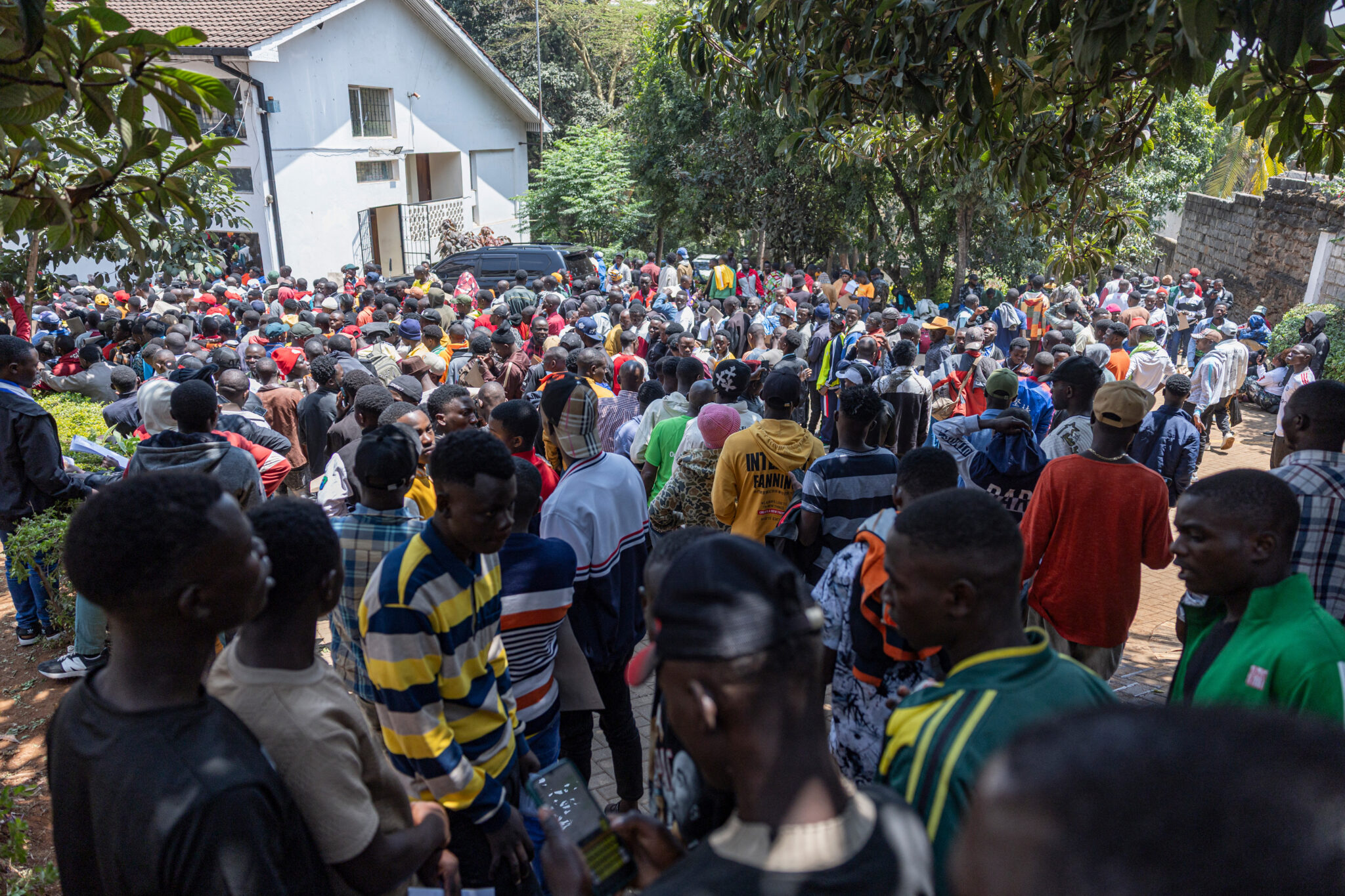
Kenya has asked migrants to register with authorities following xenophobic attacks, according to Moneyweb. The country's $141 billion economy has drawn many East Africans seeking work and business opportunities. The registration move comes amid tensions over the presence of foreign nationals in the country. Details on the scope of the attacks, the number of migrants affected, and how the registration process will work were not provided in the report.
Moneyweb·September 8, 2026 at 12:31 PM
Nigerian President Bola Tinubu has called on African nations to cease the export of raw minerals and focus on enhancing value addition through processing, technology transfer, and industrial development. He emphasized the need for collaboration among African countries to ensure the continent maximizes its benefits from its abundant mineral resources, according to Premium Times Business.
Premium Times Business·June 24, 2026 at 9:19 AM