
An opinion piece published by Punch argues that while artificial intelligence holds significant potential to make education more inclusive in Nigeria, it also risks deepening the exclusion of learners with disabilities if they are not properly considered. The author contends that disabled learners should be involved as co-designers of AI-driven educational tools, rather than treated as an afterthought, to ensure that the technology genuinely serves their needs and promotes equal access to learning opportunities across the country.
AI summary. Verify with the original source.
Listen
Unlock audio summaries, audio summaries, AI chat, Wikipedia facts, and ad-free reading.
$3.99 / month · cancel anytime
Go PremiumBackground facts
Unlock wikipedia facts, audio summaries, AI chat, Wikipedia facts, and ad-free reading.
$3.99 / month · cancel anytime
Go PremiumSimilar stories
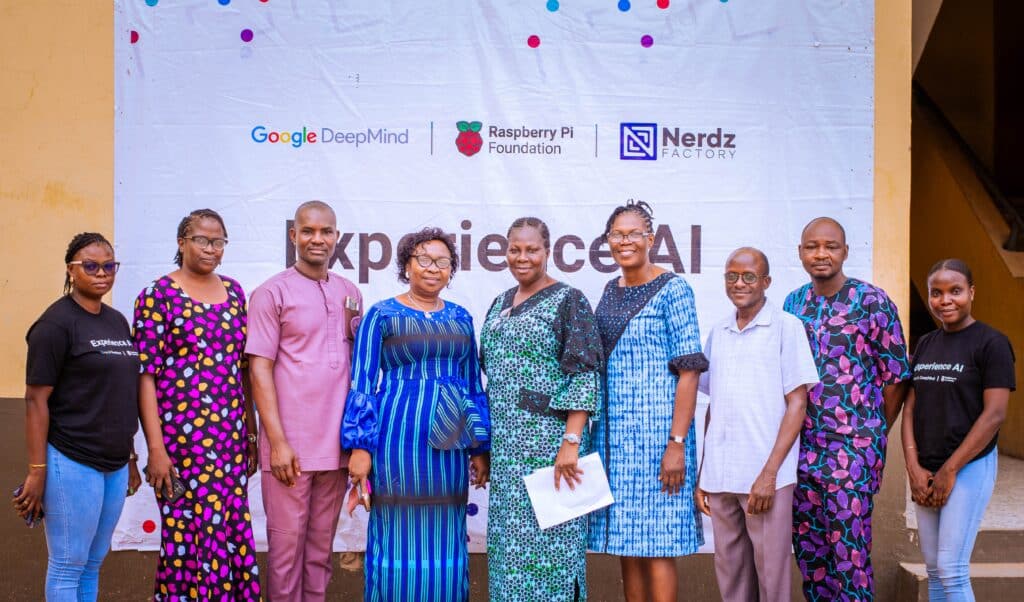
NerdzFactory Company has announced the continuation of the Experience AI initiative, which aims to deepen AI education across Nigerian secondary schools in 2026. This rollout is part of a broader effort to enhance technological literacy among students and prepare them for future careers in artificial intelligence and related fields.
Techpoint Africa·June 26, 2026 at 8:37 AM
Alex Onyia, an EdTech CEO, is making significant strides in improving Nigerian education through advocacy, training programs, and STEM Olympiads. Amid ongoing discussions about systemic failures and declining educational standards in Nigeria, Onyia's efforts aim to transform the narrative surrounding education in the country, according to Naija News.
Naija News·July 5, 2026 at 12:07 PM
The Economic Community of West African States (ECOWAS) has taken steps to promote disability inclusion in the region by formally handing over assistive devices to children. This initiative aims to enhance support for individuals with disabilities across West Africa, according to ThisDay Live.
ThisDay Live·July 4, 2026 at 6:54 PM
A report from TechCentral highlights that the gap in access to generative AI in South Africa is increasing, particularly among different age groups and educational backgrounds. It warns that without targeted efforts to address this issue, the technology will primarily advantage individuals who are already connected, educated, and digitally savvy.
TechCentral·June 22, 2026 at 7:21 AM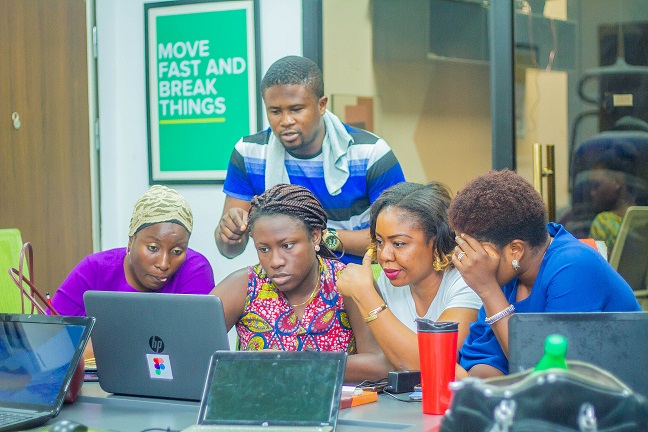
As artificial intelligence influences the future job market, there is a concern regarding the connection between education, entrepreneurship, industry, and finance in Africa. This disconnection may hinder capable young individuals from effectively participating in the digital economy. According to Techpoint Africa, addressing systemic issues could be more crucial than merely equipping the next generation with digital skills.
Techpoint Africa·June 29, 2026 at 7:42 AMA non-governmental organisation in Nigeria has launched a training programme to equip young people with artificial intelligence and other digital skills, Punch reports. According to the outlet, the initiative aims to help participants secure employment and create jobs as the country's workforce adapts to technological change. The programme forms part of broader efforts to tackle youth unemployment in Nigeria, where limited job opportunities remain a persistent concern for policymakers and civil society groups alike.
Punch·September 10, 2026 at 12:36 AM