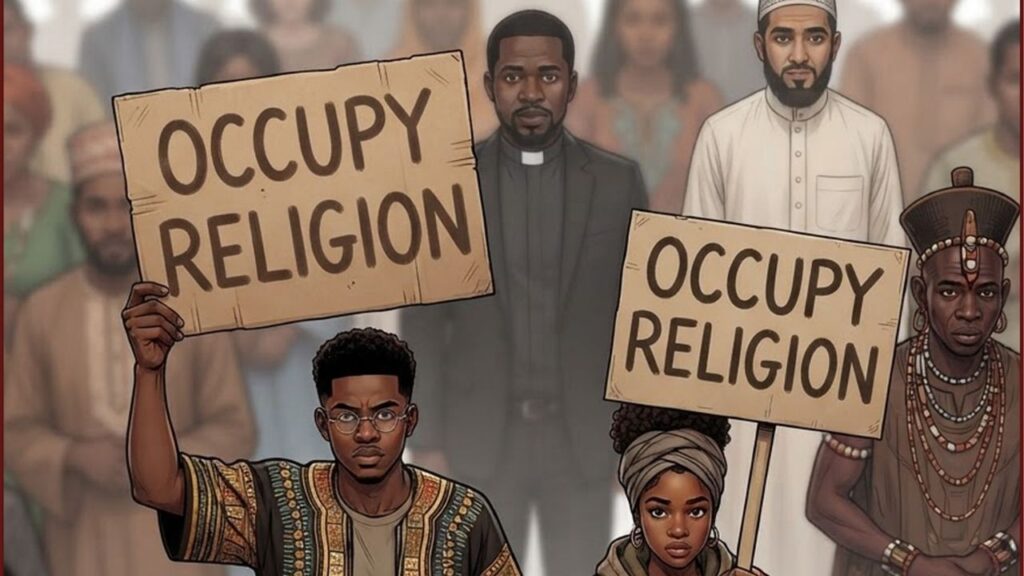
The Elephant examines the growing disconnect between young Kenyans and institutional religion, arguing that cynicism toward the church has moved beyond the familiar 'woke' labels of the 2010s. According to the article, many young people struggle to relate to religious institutions that fail to speak to their lived realities. The piece, titled 'Occupy: Pulpit Kwa Street,' explores how this generational disillusionment is reshaping the relationship between faith communities and youth, suggesting churches must engage with everyday struggles to remain relevant.
AI summary. Verify with the original source.
Read full story at The Elephant ↗
Listen
Unlock audio summaries, audio summaries, AI chat, Wikipedia facts, and ad-free reading.
$3.99 / month · cancel anytime
Go PremiumBackground facts
Unlock wikipedia facts, audio summaries, AI chat, Wikipedia facts, and ad-free reading.
$3.99 / month · cancel anytime
Go PremiumSimilar stories

In an opinion piece for The Elephant, the author describes becoming a non-practicing Christian amid disillusionment with the Church. According to the author, the Church has abdicated its role of defending human dignity and standing with the poor, while politicians have taken over the pulpit. The writer says this shift has led members of their generation to abandon religion, framing the change as a quiet personal and generational struggle rather than a formal rupture.
The Elephant·September 5, 2026 at 7:00 AM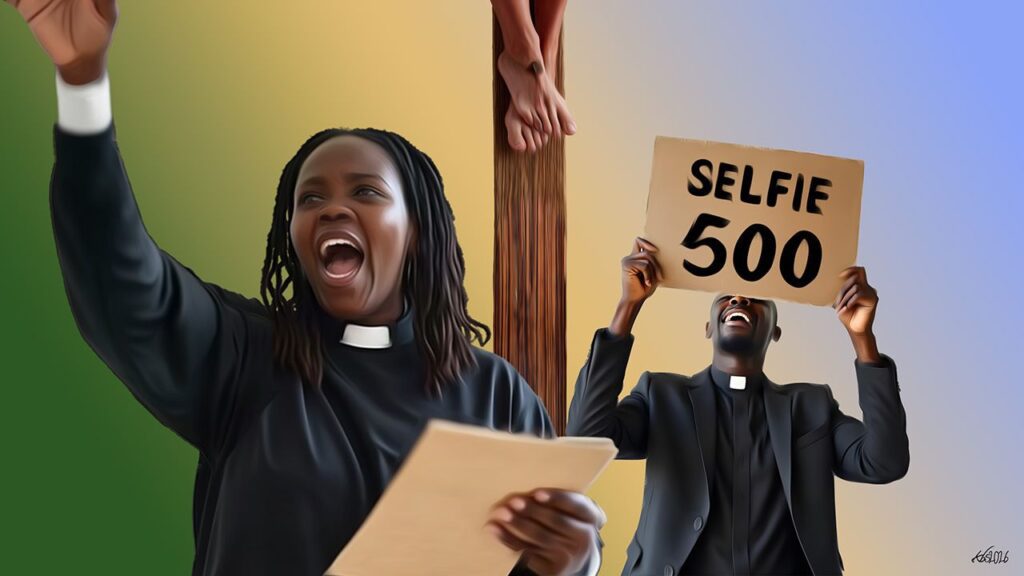
An article published by The Elephant reflects on Kenya's #Occupy Churches protests, arguing that faith communities can avoid what it calls the twin pitfalls of State Theology and Church Theology. According to the piece, churches should reclaim the analytical rigour of the Kairos Document — a landmark South African anti-apartheid theological text — and translate political theology into concrete operational action, framing the moment as a critical opportunity for Kenya's religious institutions.
The Elephant·September 2, 2026 at 8:00 AM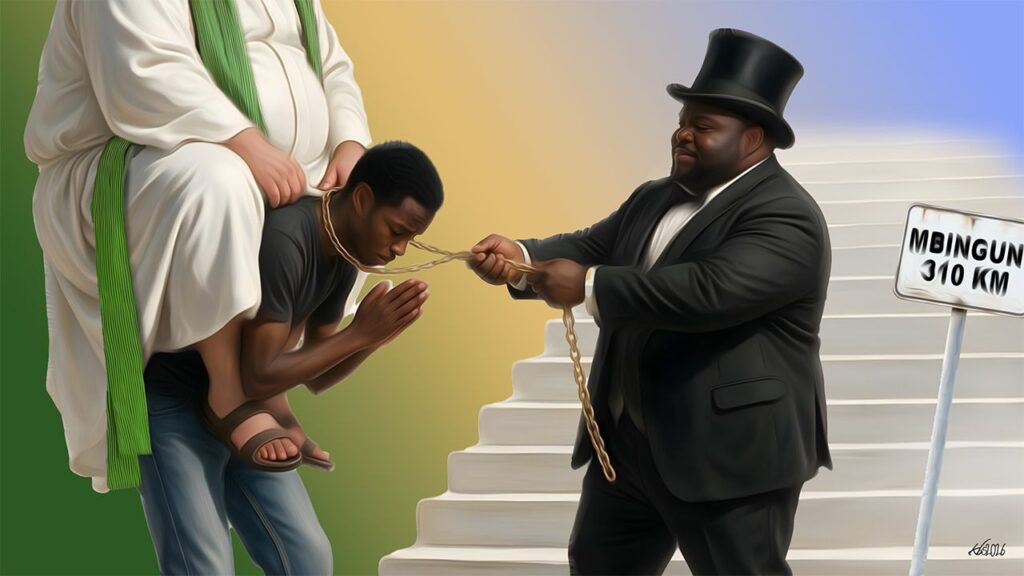
The Elephant examines the relationship between Kenya's churches and the state, arguing that religious institutions have built deep financial and political ties with political power. The article contends that Kenya's Gen Z is the first generation to seriously challenge this arrangement from within congregations rather than from outside them, raising questions about the role of religion in the country's governance and accountability.
The Elephant·September 7, 2026 at 8:00 AM
The Elephant has published an interview with Reverend Carol Kiarie discussing the role of public theology in Kenya. She argues that as Kenyans turn to faith to make sense of turbulent times and pressing public issues, public theology can provide the language, concepts, and spaces needed to rebuild a livable public life. Kiarie presents public theology as the future of the church, framing faith as a resource for engaging with civic and social challenges.
The Elephant·August 25, 2026 at 9:10 AM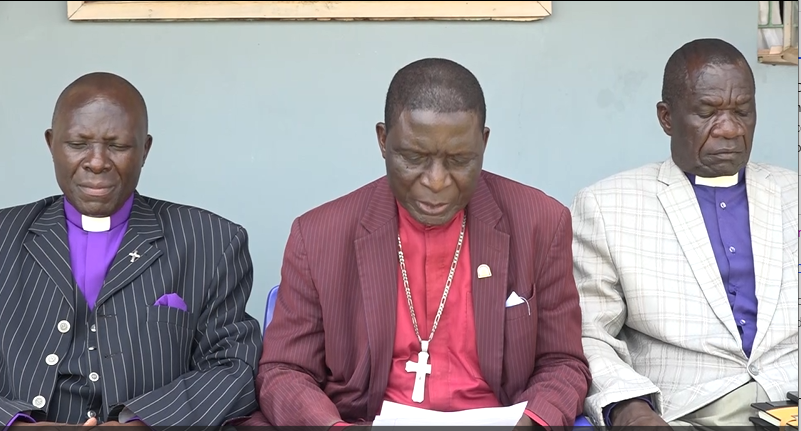
Church leaders in Kenya have urged young people and political organizers to forgo planned street demonstrations during the upcoming commemorations of last year's Gen Z protests. Instead, they are advocating for peaceful prayer services in places of worship, expressing concern over the potential for violence based on the nation's history with protests, according to the Siaya Church Leaders Forum.
Business Today (KE)·June 24, 2026 at 4:23 PM
The article discusses four key figures—the Judge, the Prophet, the Prince, and the Warrior—who played significant roles in the 2007-08 post-election violence in Kenya and have influenced the country's public theological discourse since then. Each figure represents a distinct response to the decline of state authority and offers different solutions to existential challenges, shaping the political-theological landscape until 2024, according to The Elephant.
The Elephant·July 1, 2026 at 10:00 AM