
Eastern Angola, particularly the highlands of the Moxico provinces, has remained isolated and understudied despite its rich biodiversity and cultural history. The region's political history, including its independence from Portugal in 1975 and a subsequent 27-year civil war, has contributed to this isolation. The impact of these historical events has influenced local agricultural practices, particularly the use of controlled fires by farmers to manage dry fuel near villages.
AI summary. Verify with the original source.
Read full story at The Conversation Africa ↗
Listen
Unlock audio summaries, audio summaries, AI chat, Wikipedia facts, and ad-free reading.
$3.99 / month · cancel anytime
Go PremiumBackground facts
Unlock wikipedia facts, audio summaries, AI chat, Wikipedia facts, and ad-free reading.
$3.99 / month · cancel anytime
Go PremiumSimilar stories
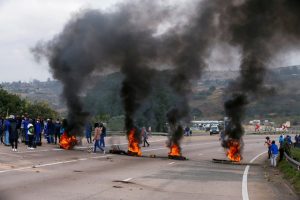
The article from Soko Directory discusses the issue of xenophobia in Africa, suggesting that it is fueled by failed governance. It emphasizes the need for the continent to confront its challenges honestly and reflect on its internal conflicts. The piece highlights the urgency of addressing these issues to prevent further escalation of xenophobic sentiments.
Soko Directory·July 5, 2026 at 8:01 AM
The demand for critical minerals such as lithium, vanadium, copper, and cobalt, driven by the global transition to green energy, has implications for deforestation in Africa. Sub-Saharan Africa contains about 30% of the world's mineral reserves, including significant amounts of platinum, chromium, manganese, and cobalt, much of which is located beneath biodiverse forests that play a crucial role in carbon capture and soil health, according to The Conversation Africa.
The Conversation Africa·June 29, 2026 at 2:22 PM
As Africa advances its energy transition, young people are becoming vital in driving innovation and entrepreneurship, particularly in clean cooking solutions. The Africa Energy Forum (AEF) emphasizes the need for the continent's youth to actively participate in developing energy solutions, highlighting their potential role in community transformation.
Daily News (TZ)·July 4, 2026 at 11:37 AM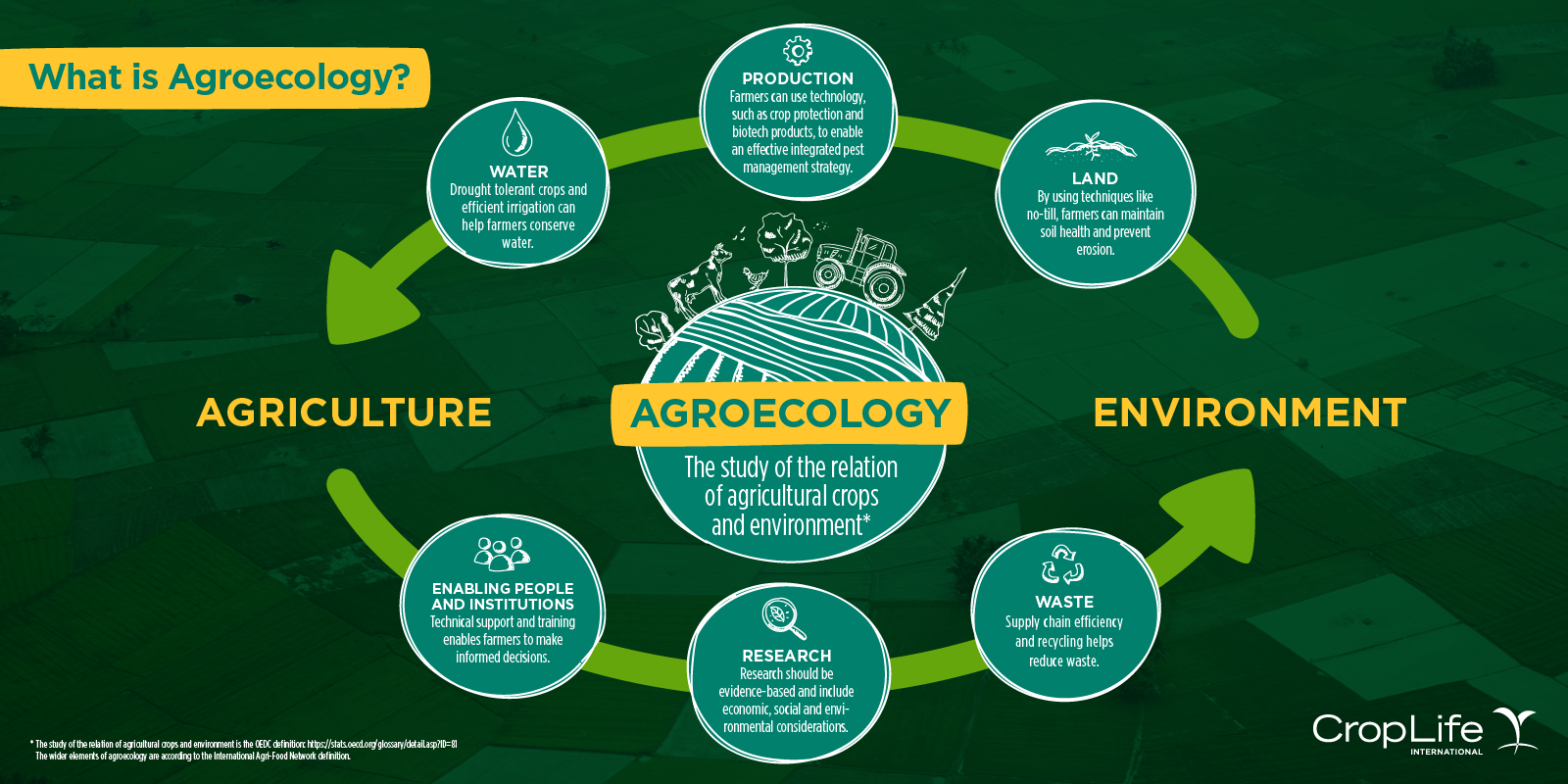
In Tanzania and across Africa, farmers are increasingly adopting agroecology, a sustainable agricultural approach that integrates ecological principles with local knowledge and innovation. This shift aims to enhance food security and resilience against climate shocks while improving productivity and income for households that rely on agriculture for their livelihoods.
Daily News (TZ)·June 24, 2026 at 2:24 PM
Malong Awan discusses the interconnectedness of East Africa's challenges, including aid, youth labor, democracy, and cross-border trade. He suggests that this interdependence could foster mutual support and collaboration among the nations in the region, as highlighted in an interview with The Elephant.
The Elephant·June 6, 2026 at 7:02 AM
According to The Citizen, Africa may experience economic impacts from El Nino, particularly in agriculture, which is a vital sector for many countries. The phenomenon could lead to reduced harvests and increased food prices, affecting consumers financially.
The Citizen (ZA)·June 25, 2026 at 4:00 AM