
Industry experts say Nigeria's ability to sustain the N12.91 trillion in crude oil export earnings recorded in the second quarter of 2026 depends on maintaining stability in the Niger Delta, protecting oil infrastructure and ensuring uninterrupted production. The figures come from foreign trade statistics released by the National Bureau of Statistics on Monday, according to Daily Trust.
AI summary. Verify with the original source.
Read full story at Daily Trust ↗
Listen
Unlock audio summaries, audio summaries, AI chat, Wikipedia facts, and ad-free reading.
$3.99 / month · cancel anytime
Go PremiumBackground facts
Unlock wikipedia facts, audio summaries, AI chat, Wikipedia facts, and ad-free reading.
$3.99 / month · cancel anytime
Go PremiumSimilar stories
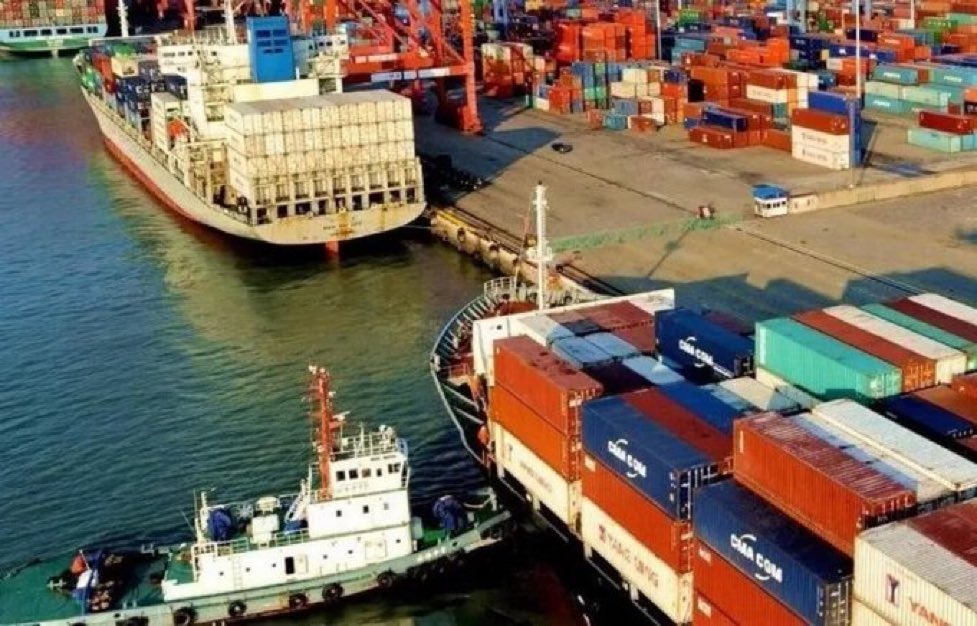
Nigeria's total merchandise trade reached N41.44 trillion in the second quarter of 2026, driven largely by crude oil and petroleum exports, according to the National Bureau of Statistics. The NBS said the country's trade surplus doubled to N12.60 trillion, while non-oil products remained stuck at 13.8 per cent of exports. Agricultural exports fell sharply by 36 per cent during the period, highlighting continued reliance on oil despite efforts to diversify the economy.
Leadership (NG)·September 8, 2026 at 6:31 AM
According to Nairametrics, Nigeria’s petrol import bill rose sharply in the second quarter of 2026, reaching N952.15 billion. The outlet said the figure represents a 989.4% quarter-on-quarter increase from N87.40 billion in the first quarter. The report highlights a major rise in spending on imported petrol within Africa’s largest oil producer, based on the publication’s quarterly comparison of import costs.
Nairametrics·September 8, 2026 at 5:57 AM
Nigeria spent N952.15bn on fuel imports in the second quarter of 2026, according to Punch, despite the country's growing domestic refining capacity. The spending comes amid an ongoing feud between Dangote Refinery and fuel importers. The figure highlights continued reliance on imported petroleum products even as local refining operations expand, raising questions about the impact of the dispute between Africa's largest refinery and import marketers on the nation's fuel supply and costs.
Punch·September 8, 2026 at 10:48 AM
Nigerian politician Makinde said the country's oil resources must deliver measurable benefits to citizens, arguing that Nigerians should not pay international-equivalent prices for crude supplied to local refineries when the resource is produced domestically. The remarks, reported by Channels Television, come amid discussions around the 2027 election period and ongoing debates over fuel pricing and local refining policy in Nigeria.
Channels TV·September 7, 2026 at 7:12 PM
Nigeria's economy grew by 4.43 per cent in the second quarter of 2026, according to the National Bureau of Statistics. The expansion, reported by Premium Times, was supported by improved performances in both the oil and non-oil sectors. However, industrial growth slowed compared with the same period a year earlier, indicating mixed momentum across sectors of Africa's most populous economy.
Premium Times Business·August 31, 2026 at 4:40 PM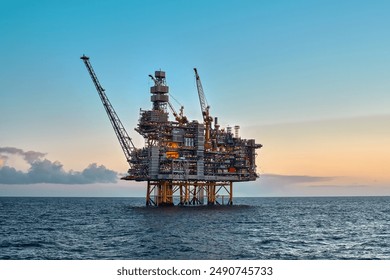
Nigeria's increase in crude production, along with contributions from other OPEC members, led to a total output rise of 3.3 million barrels per day in June, bringing OPEC's total production to 19.43 million barrels per day, according to Leadership (NG).
Leadership (NG)·July 5, 2026 at 6:04 PM