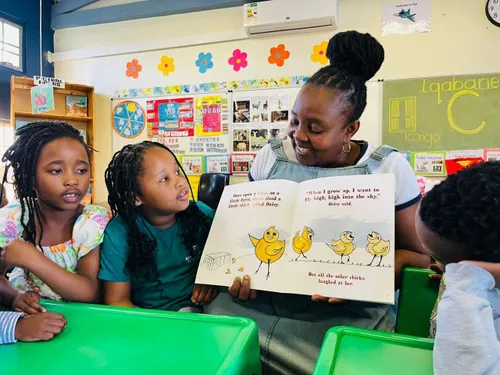
An opinion piece published by IOL argues that South Africa's reading crisis takes root long before children open their first textbook. The article contends that by Grade 4, children should already have firmly established foundations for understanding stories, interpreting questions and expressing ideas, and that weaknesses in these early skills underpin later literacy failures. It frames early childhood language development and pre-school exposure as decisive factors in whether learners can read for meaning in later grades.
AI summary. Verify with the original source.
Listen
Unlock audio summaries, audio summaries, AI chat, Wikipedia facts, and ad-free reading.
$3.99 / month · cancel anytime
Go PremiumBackground facts
Unlock wikipedia facts, audio summaries, AI chat, Wikipedia facts, and ad-free reading.
$3.99 / month · cancel anytime
Go PremiumSimilar stories
An opinion piece published by IOL argues that paper books remain important in the digital age, framing literacy as something simple and human: a person, a book, and the ability to read it. The article reflects on the enduring value of physical books in fostering reading and literacy, even as digital media becomes more widespread.
IOL·September 10, 2026 at 8:31 AM
The Jigawa State Government says it aims to cut learning poverty among pupils in basic schools to below 10 per cent by 2031. According to the blurb, the World Bank defines learning poverty as a child being unable to read and understand a simple story by age 10. The target was attributed to the Executive Secretary of a Jigawa State office, but the provided text is truncated.
Daily Trust·September 8, 2026 at 5:18 AM
An opinion piece by Nkechi Christopher published in Nigeria's Tribune Online argues that literacy is a lifelong journey that begins before formal schooling and continues into adulthood. The article contends that literacy develops alongside an individual's capacity to learn, communicate, participate in society and make informed choices, framing it as essential to Nigeria's people, the planet and prosperity. The piece highlights the broader importance of literacy for national development and individual empowerment across all stages of life.
Tribune Online (NG)·September 7, 2026 at 11:30 PMNutriDay marked International Literacy Day by reporting progress from its Tubs2Classrooms project at Morojaneng Primary School in Katlehong, South Africa. According to the company, the initiative has helped improve learners' reading fluency, comprehension and confidence over a two-year period. The announcement coincided with this week's global literacy observance, highlighting the role of school-based reading programmes in strengthening foundational education outcomes at the primary school level.
IOL·September 10, 2026 at 8:47 AM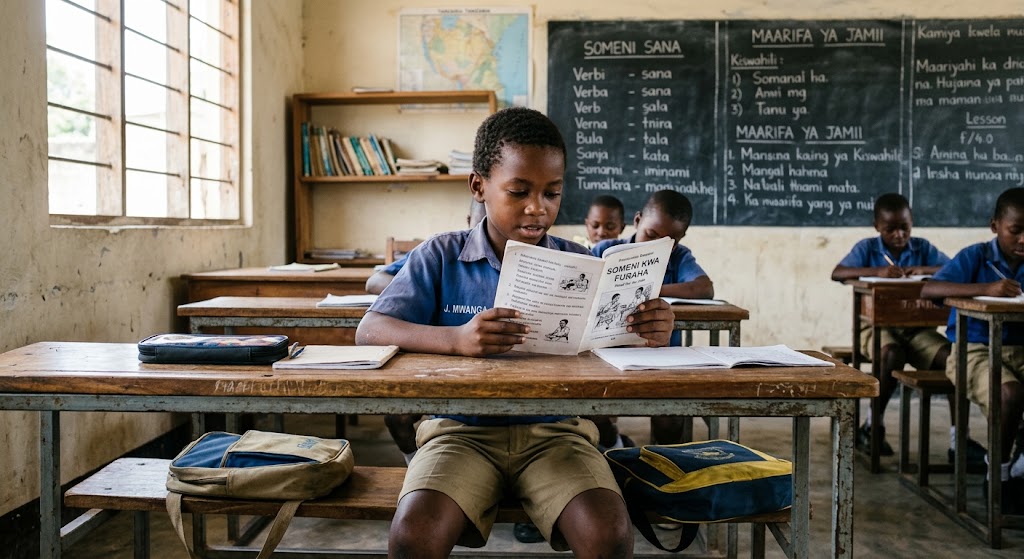
Marking International Literacy Day, The Chanzo highlights Tanzania's literacy challenges and calls for urgent action across Africa. The article argues that literacy extends beyond basic reading and writing skills, framing it as central to broader development. According to the outlet, the occasion serves as a reminder of the continent's ongoing literacy crisis and the need for renewed commitment to education.
The Chanzo·September 8, 2026 at 1:17 PM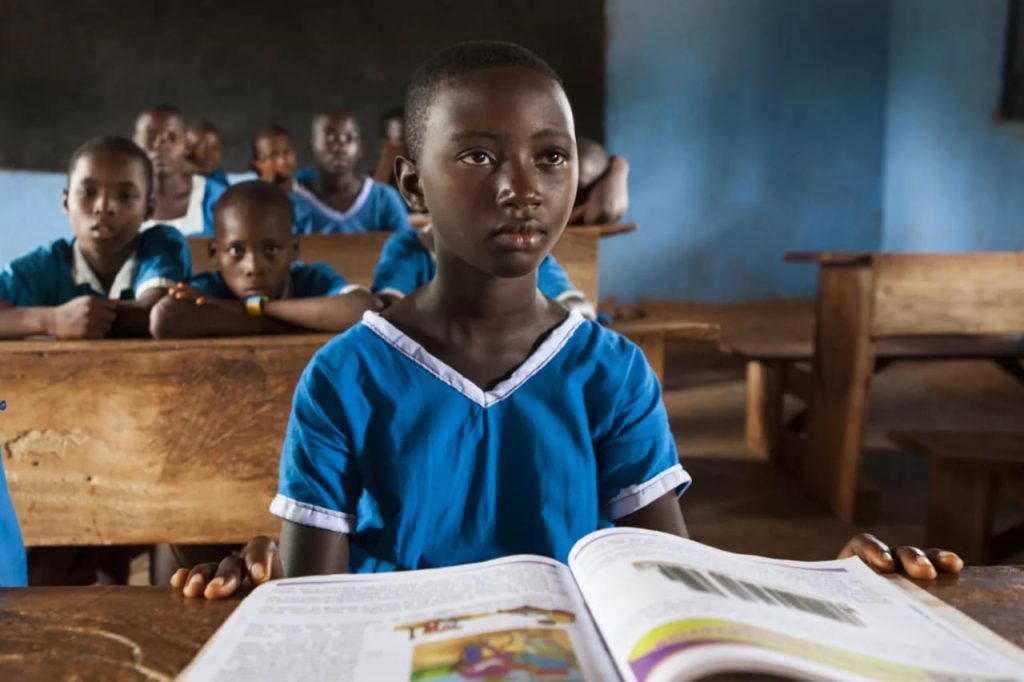
The National Association of Seadogs, also known as the Pyrates Confraternity, has called on Nigeria's federal government to take urgent and concrete action to address the country's literacy crisis. In a statement signed by its leader, Dr Charles Meribole, and titled 'Rewriting the Future: A National Emergency on Literacy,' the group marked the 2026 International Literacy Day by highlighting the plight of an estimated 18.3 million out-of-school children, according to the statement, and demanding a national emergency response.
Vanguard (NG)·September 9, 2026 at 9:00 AM