
Nigeria's banking system recorded a liquidity surplus of N4.66 trillion last week, according to Punch. The surplus reportedly eased funding pressure across banks and contributed to a lower overnight lending rate, improving conditions within the country's financial system. The development suggests banks had more funds available than needed to meet their obligations during the period, reducing the cost of short-term borrowing between institutions. Further details on the figures and their implications were not provided in the available report.
AI summary. Verify with the original source.
Listen
Unlock audio summaries, audio summaries, AI chat, Wikipedia facts, and ad-free reading.
$3.99 / month · cancel anytime
Go PremiumBackground facts
Unlock wikipedia facts, audio summaries, AI chat, Wikipedia facts, and ad-free reading.
$3.99 / month · cancel anytime
Go PremiumSimilar stories
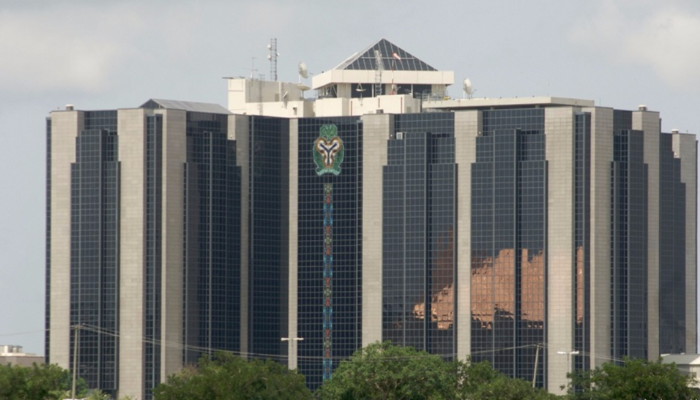
The Central Bank of Nigeria (CBN) has intensified its liquidity sterilisation efforts, absorbing around N4.74 trillion from investors through three Open Market Operations (OMO) auctions held on June 22 and June 23, 2026. This move is part of the CBN's strategy to manage liquidity in the financial system during the final week of June 2026, according to Nairametrics.
Nairametrics·June 24, 2026 at 6:04 PM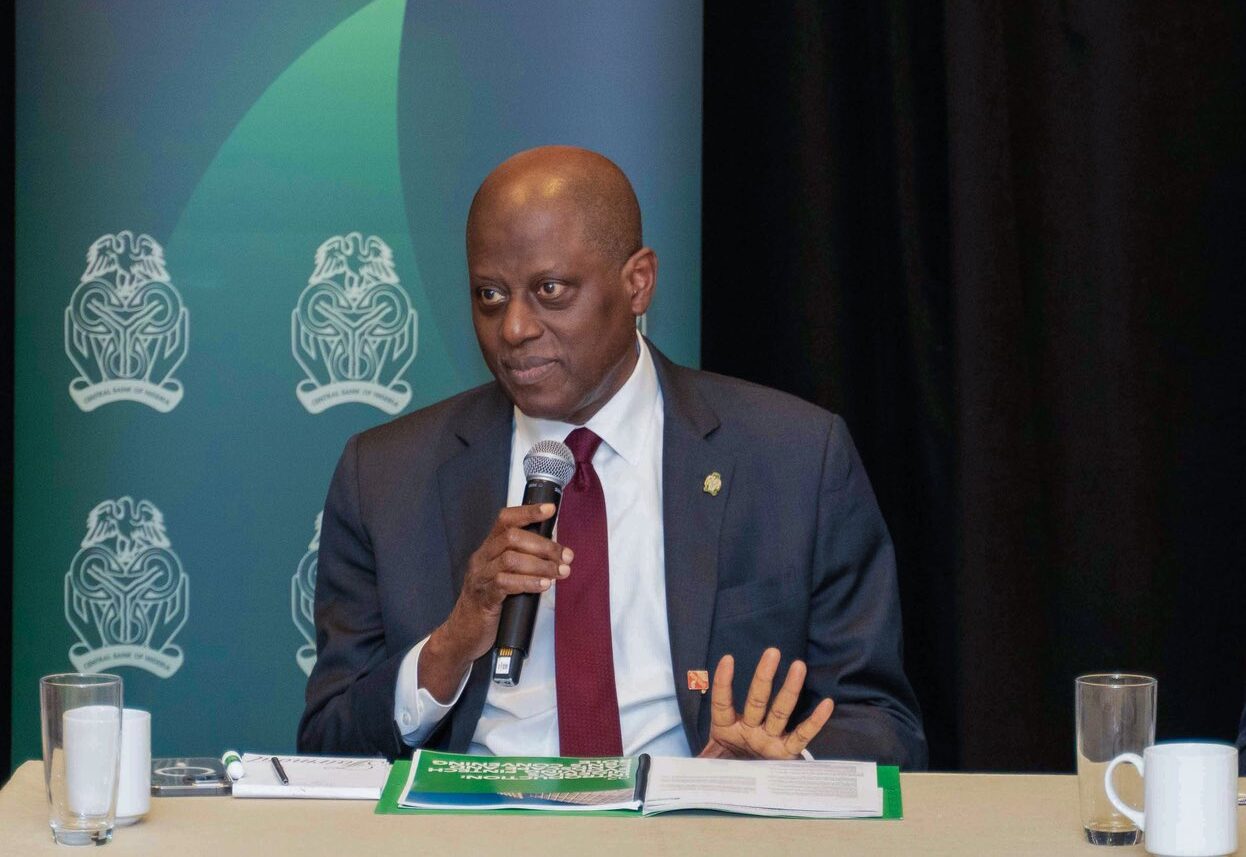
A member of the Monetary Policy Committee (MPC) has called on the Central Bank of Nigeria (CBN) to implement further actions aimed at lowering lending rates for both households and businesses. This appeal comes in the context of recent recapitalization efforts within the banking sector.
Nairametrics·July 4, 2026 at 2:05 PM
Nigeria's non-performing loans (NPLs) ratio increased to 9.85% in February 2026, nearly double the acceptable threshold of 5%. This rise followed the Central Bank of Nigeria's (CBN) withdrawal of regulatory forbearance, which led lenders to reclassify previously deferred exposures. The information was detailed in the CBN's February 2026 Economic Report released on Wednesday.
Leadership (NG)·June 25, 2026 at 5:42 AM
The naira has stabilised at N1,370.19 per USD, attributed to the Central Bank of Nigeria's (CBN) intervention which has reduced volatility in the currency market. This stability is further supported by rising global oil prices, which are seen as promising for Nigeria's economy.
Legit.ng·July 5, 2026 at 1:08 PM
According to ThisDay Live, banks' borrowing from the Central Bank of Nigeria (CBN) has decreased by 96.04% Year-on-Year (YoY), reaching N2.33 trillion in the first half of 2026. This significant decline occurs amidst ongoing uncertainty in the business environment.
ThisDay Live·July 5, 2026 at 11:56 PM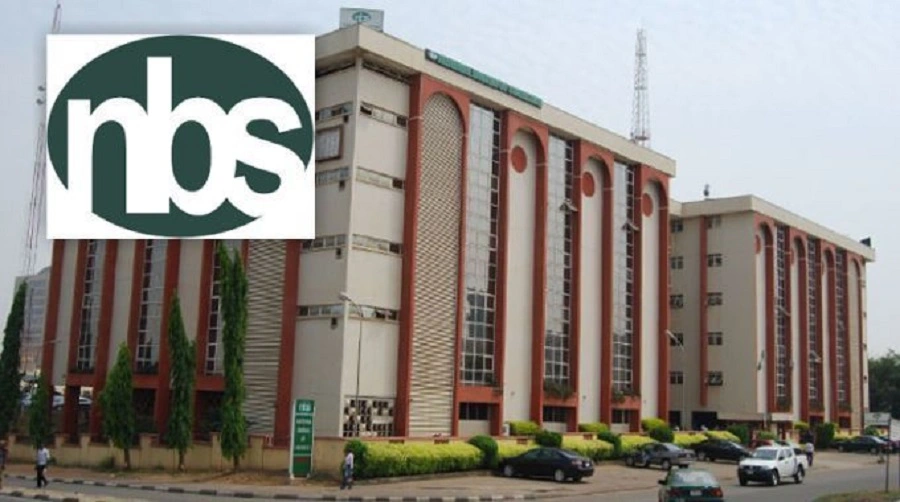
Nigeria recorded a trade surplus of N12.59 trillion in the second quarter of 2026, according to the National Bureau of Statistics. The NBS said total foreign trade with other countries reached N41.44 trillion during the period, with the surplus representing a 101.32% increase compared with the same quarter a year earlier. The figures come from the bureau’s Foreign Trade report and point to stronger export earnings relative to imports, though the blurb does not provide sector breakdowns.
Daily Trust·September 8, 2026 at 12:42 AM