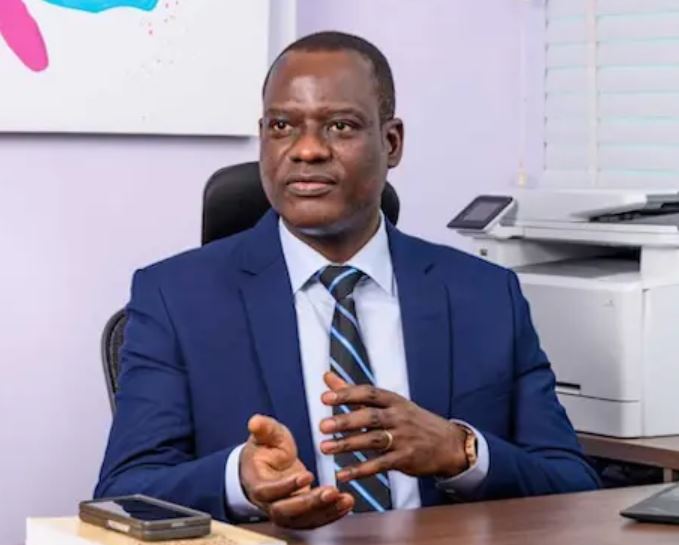
Nigeria's Federal Government on Monday set up a high-powered inter-agency committee to harmonise macroeconomic assumptions underpinning national budgeting and economic planning, according to Vanguard. The move aims to eliminate conflicting economic projections produced by Ministries, Departments and Agencies, creating a unified basis for fiscal planning across government bodies.
AI summary. Verify with the original source.
Read full story at Vanguard (NG) ↗
Listen
Unlock audio summaries, audio summaries, AI chat, Wikipedia facts, and ad-free reading.
$3.99 / month · cancel anytime
Go PremiumBackground facts
Unlock wikipedia facts, audio summaries, AI chat, Wikipedia facts, and ad-free reading.
$3.99 / month · cancel anytime
Go PremiumSimilar stories

The Federal Government has attributed Nigeria's recurring budget gaps to conflicting macroeconomic forecasts for oil prices, inflation, and exchange rates, according to Punch. Officials said discrepancies between projected and actual figures for these key indicators have disrupted budget planning and implementation. In response, the government has constituted a committee to harmonise the forecasts used in budget preparation, with the aim of improving fiscal accuracy and reducing the shortfalls that have affected federal budgets.
Punch·September 7, 2026 at 9:46 PM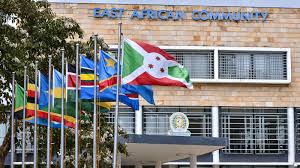
The East African Community (EAC) has outlined its new budget of $110.8 million, focusing on trade, monetary union, and peace. Key priorities include accelerating the East African Monetary Union by harmonizing fiscal and monetary policies, operationalizing the East African Monetary Institute, and integrating regional payment systems.
Eastleigh Voice·June 25, 2026 at 5:45 AM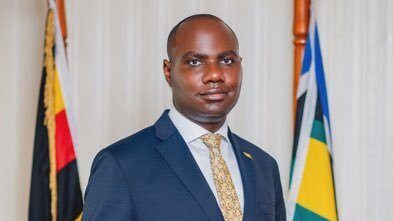
Uganda's Finance Minister Henry Musasizi has introduced a five-pillar strategy aimed at transforming the country's economy into a USD 500 billion entity. During his first management meeting, he emphasized the need for a shift from gradual growth to a more rapid economic expansion, focusing on fiscal discipline and effective management of anticipated resources.
The Scribe (UG)·June 24, 2026 at 3:40 PMThe Federal Government of Nigeria has denied allegations of spending ₦8 trillion outside the 2026 budget, asserting that a report from the International Monetary Fund (IMF) was misrepresented. Finance Minister Taiwo Oyedele provided clarification on the matter.
Punch·July 5, 2026 at 5:01 PM
Nigeria's Finance Minister, Mr. Oyedele, has clarified that the Federal Government does not engage in a 'shadow budget' or spend public funds outside the established constitutional and statutory framework for public finance. This statement aims to dispel any misconceptions regarding the government's financial operations.
Premium Times Business·July 5, 2026 at 12:24 PM
Uganda is poised for significant economic transformation with the introduction of the Tenfold Growth Strategy, as outlined in the Budget Speech for FY 2026/27. This strategy aims to propel the country towards becoming a 500-billion-dollar economy, marking a shift from incremental progress to ambitious growth. The government emphasizes a new approach focused on substantial economic leaps rather than gradual improvements, signaling a pivotal moment in Uganda's pursuit of prosperity.
The Scribe (UG)·June 19, 2026 at 5:38 AM