
In March, Uganda's coffee exports increased modestly to 671,152 60-kilogram bags, valued at $173.4 million, according to the Ministry of Agriculture, Animal Industry and Fisheries. However, weaker international prices led to a 13.6 percent decline in earnings compared to the previous year. The average export price fell to $4.31 per kilogram, down from $4.63 in February and $5.14 in March of the previous year.
AI summary. Verify with the original source.
Read full story at Uganda Business News ↗
Listen
Unlock audio summaries, audio summaries, AI chat, Wikipedia facts, and ad-free reading.
$3.99 / month · cancel anytime
Go PremiumBackground facts
Unlock wikipedia facts, audio summaries, AI chat, Wikipedia facts, and ad-free reading.
$3.99 / month · cancel anytime
Go PremiumSimilar stories
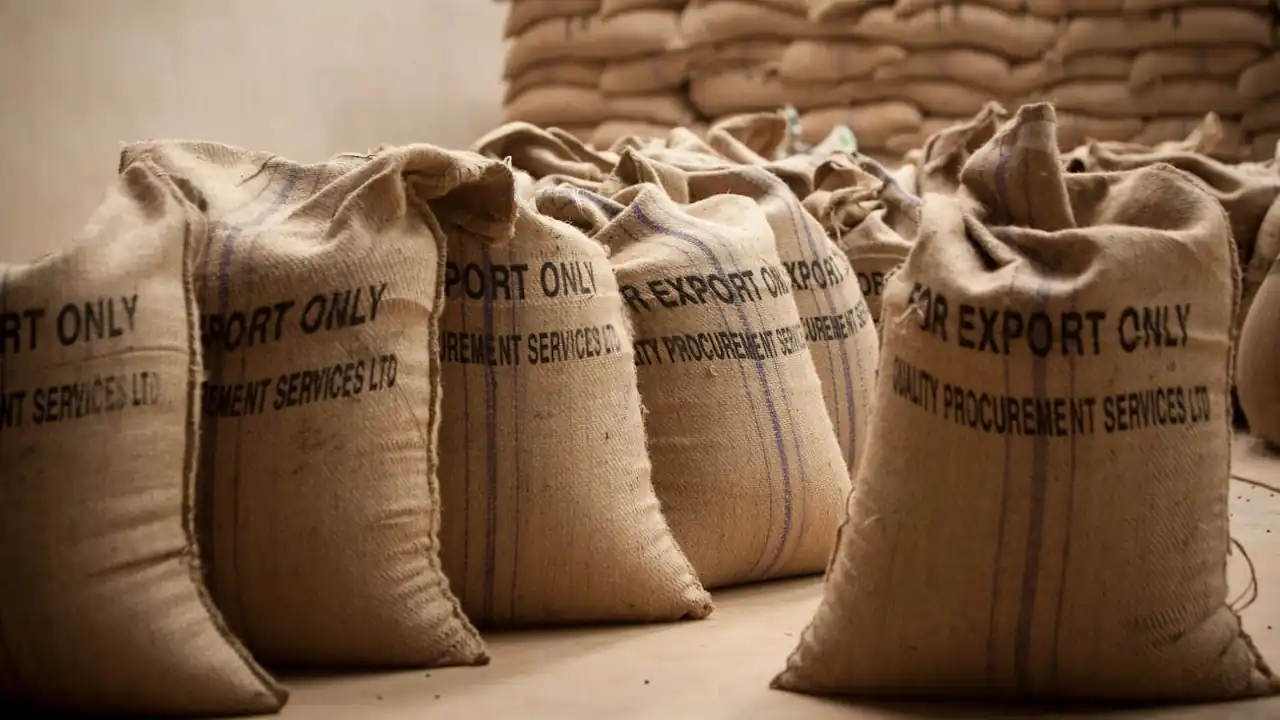
In February, Uganda's coffee export volumes increased significantly, with the country exporting 651,933 60-kilogram bags valued at $181 million, according to the Ministry of Agriculture, Animal Industry and Fisheries. This represents a 15 percent year-on-year increase in volumes and a 5.8 percent rise in earnings, despite a decline in global prices, which fell to an average of $4.63 per kilogram from $4.71 in January.
Uganda Business News·April 8, 2026 at 6:14 AM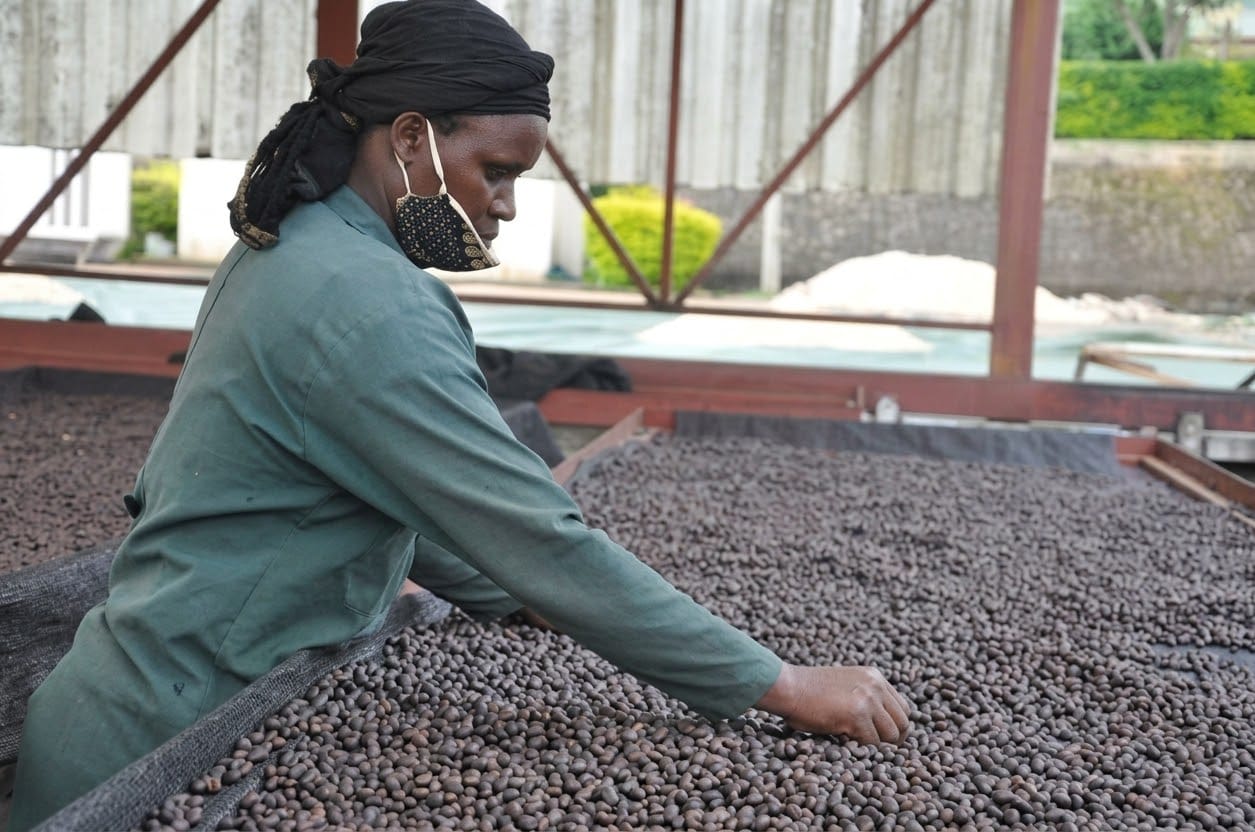
Recent figures from the Uganda Bureau of Statistics (UBOS) indicate that Uganda's agriculture sector is experiencing significant growth, primarily driven by a surge in coffee exports, which have reached record levels and generated billions of dollars. This trend highlights the importance of coffee in the country's export performance, suggesting a reliance on this single crop for agricultural success.
Business Times (UG)·June 22, 2026 at 3:26 PM
President William Ruto has announced a government initiative to increase coffee farmers' earnings from Sh158 per kilogramme to between Sh250 and Sh300 in the coming years. This plan is part of a broader strategy to revitalize Kenya's coffee sector. During the launch of a coffee revival program in Kianyaga, Kirinyaga County, Ruto noted that while progress has been made in improving farmers' returns, additional measures are necessary to ensure profitability in coffee farming.
Nairobi Wire·June 23, 2026 at 3:45 AM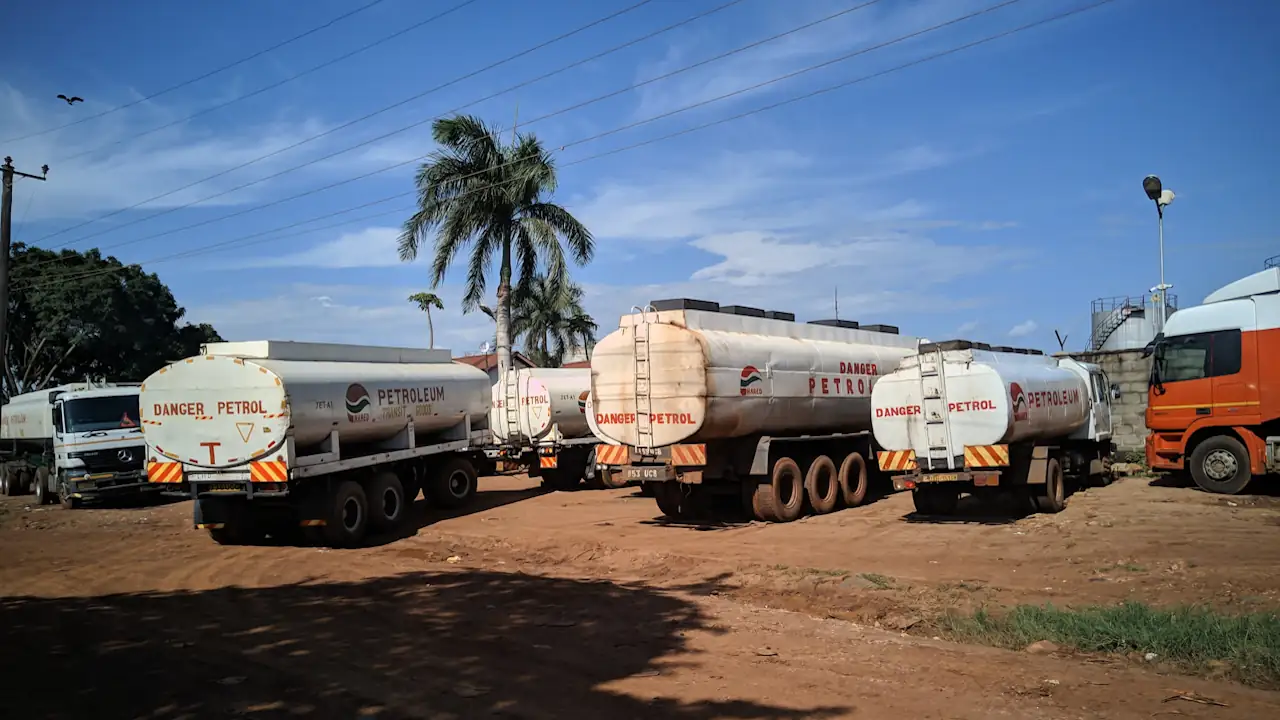
Uganda's annual inflation rate increased to 3.2 percent in May from 3 percent in April, primarily due to rising fuel and transport costs associated with higher global oil prices. This trend has raised concerns at the Bank of Uganda regarding external inflation pressures, while food prices have remained relatively stable. The Uganda Bureau of Statistics reported a monthly consumer price rise of 0.7 percent.
Uganda Business News·June 1, 2026 at 5:12 AM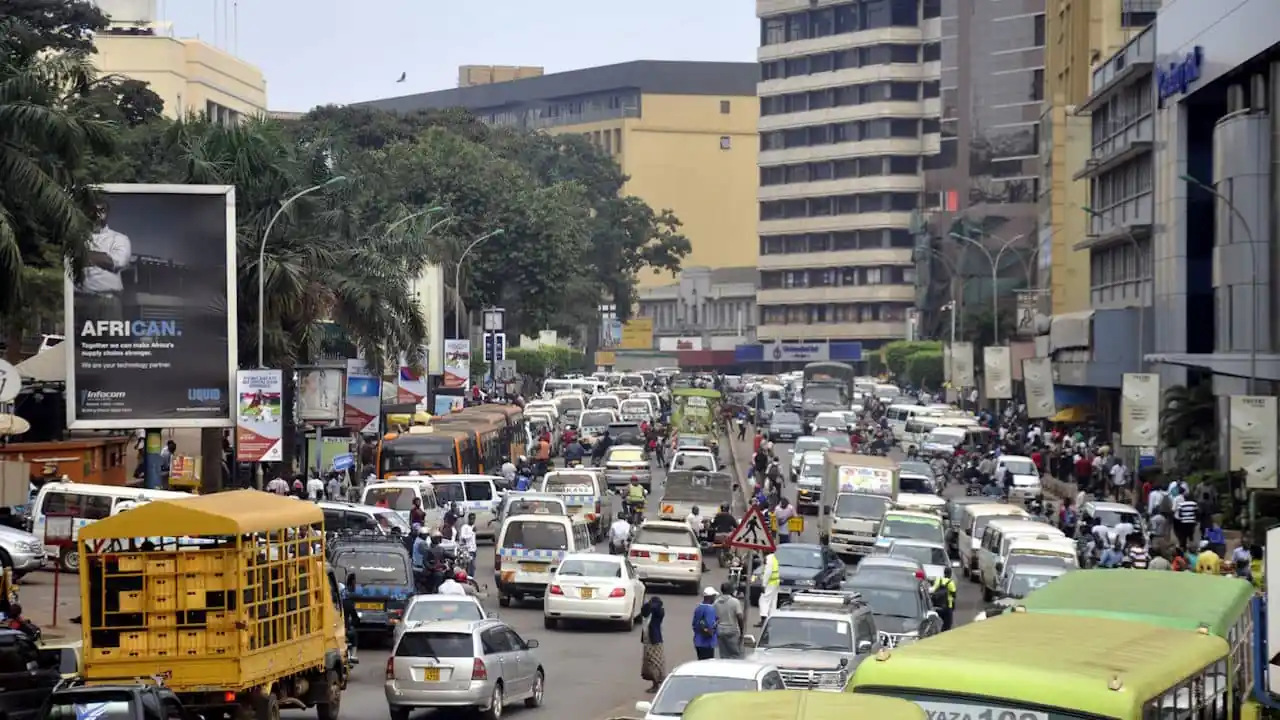
Uganda's inflation increased to 3 percent in April, up from 2.8 percent in March, primarily due to rising energy and transport costs, according to data from the Uganda Bureau of Statistics. Monthly prices rose by 0.6 percent, marking the fastest increase since February 2025, while food and core components showed contained price pressures.
Uganda Business News·April 30, 2026 at 1:40 PM
Uganda's electricity regulator has announced that power tariffs will remain largely unchanged for the second quarter of 2026, as a strengthening shilling has balanced out a slight increase in global fuel prices. The Electricity Regulatory Authority noted that the approved end-user tariffs for April to June reflect changes in macroeconomic factors, but ultimately maintain stable pricing. The Ugandan shilling appreciated against the US dollar, reducing pressure on costs associated with dollar-denominated electricity generation.
Uganda Business News·April 9, 2026 at 6:34 AM