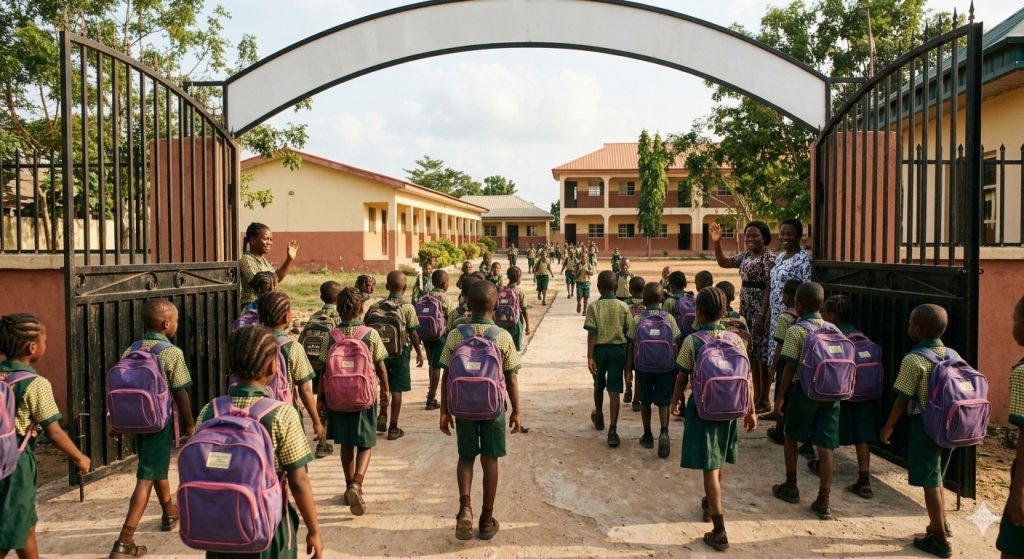
Parents in Nigeria are facing higher expenses as the new academic session begins, with school fees, the cost of books, and other related items rising sharply. According to Vanguard, checks showed that parents are paying more than they did last session as their children return to school, creating financial hurdles for many families.
AI summary. Verify with the original source.
Read full story at Vanguard (NG) ↗
Listen
Unlock audio summaries, audio summaries, AI chat, Wikipedia facts, and ad-free reading.
$3.99 / month · cancel anytime
Go PremiumBackground facts
Unlock wikipedia facts, audio summaries, AI chat, Wikipedia facts, and ad-free reading.
$3.99 / month · cancel anytime
Go PremiumSimilar stories
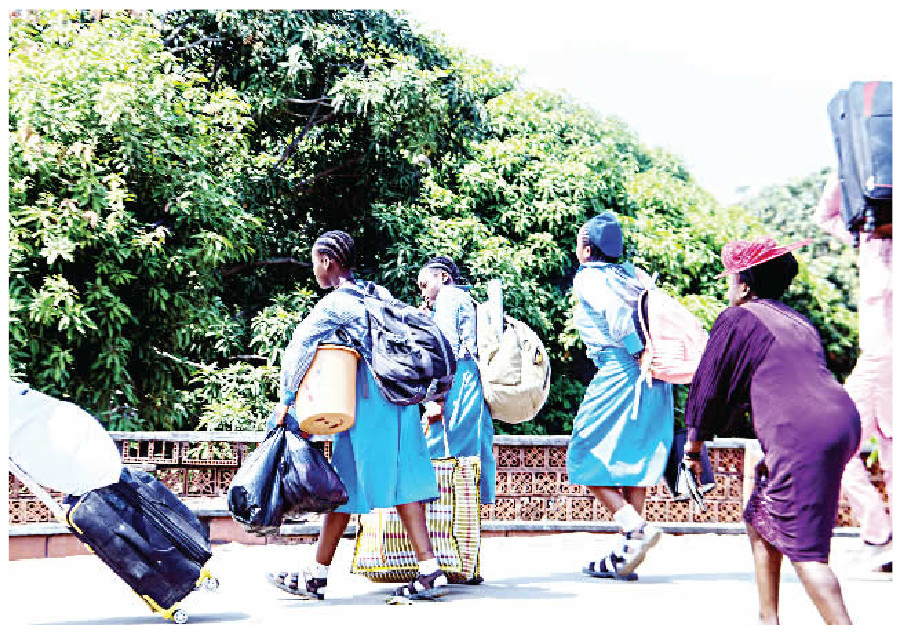
Primary and secondary schools across Nigeria have begun reopening for the first term of the 2025/2026 academic year, placing fresh financial pressure on parents and guardians. According to LEADERSHIP, some parents said they are struggling to cover the rising costs of school fees, uniforms, bags, books, transport and other essential items. Schools in Abuja were among those resuming, with households adjusting budgets to meet back-to-school expenses at the start of the new academic session.
Leadership (NG)·September 9, 2026 at 8:47 AMParents and guardians in Taraba State, Nigeria, have raised concerns over rising private school fees as the new academic session begins, according to the Daily Post. The report notes growing calls for the state government to intervene over what many described as incessant increases in tuition and other school-related charges. The newspaper observed that the development has placed additional financial pressure on families across the state.
Daily Post (NG)·September 8, 2026 at 5:38 AM
Senior secondary school principals have suggested a thorough review of school fees due to rising operational costs and delays in government funding. This proposal indicates that parents may face increased financial burdens as schools seek to address these challenges.
Soko Directory·June 24, 2026 at 9:42 AM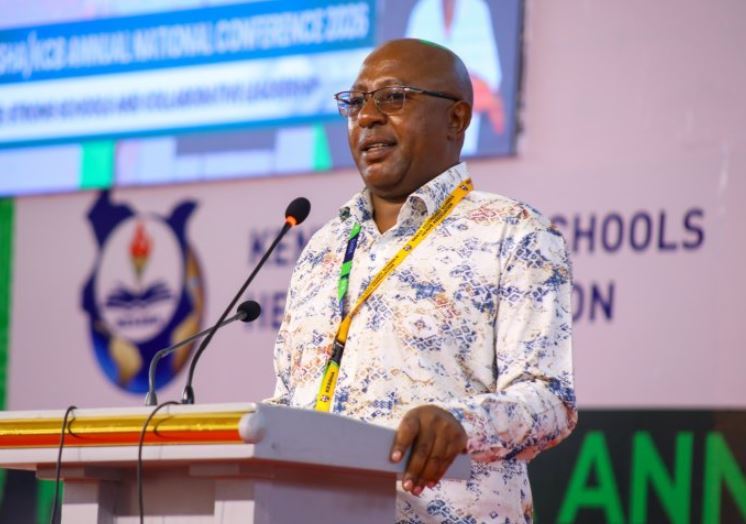
Secondary school principals in Kenya are advocating for an increase in school fees, citing that the existing funding model is inadequate due to economic changes and the costs associated with the Competency-Based Education (CBE). They propose a unit-cost formula to determine fees based on the actual expenses for services per student, which include tuition, meals, and accommodation. Currently, the government allocates a flat capitation grant of Sh22,244 per learner annually for secondary education.
Nairobi Wire·June 25, 2026 at 3:45 AM
Parents in Kenya preparing to enrol their children in senior schools next year will face varying costs depending on the school category, according to The Kenya Times. Annual parental contributions will range from zero in some institutions to KSh 53,554 in others, covering C1, C2, C3 and C4 school categories. The fees form part of the government's approved senior school funding framework under the Competency-Based Education (CBE) system, which determines how much families must pay based on school placement.
The Kenya Times·September 9, 2026 at 9:19 AM
Nigerian media personality Daddy Freeze has sparked reactions after claiming that Romania pays secondary school students monthly financial support, contrasting this with the high cost of education in Nigeria. According to Legit.ng, his remarks took a swipe at Nigeria's education system, prompting public discussion about how the country funds schooling compared to practices abroad. The claim about Romania's payments was attributed to Daddy Freeze and has not been independently verified in the report.
Legit.ng·September 9, 2026 at 2:13 PM