
Kenya's Energy and Petroleum Regulatory Authority (EPRA) has issued guidance to consumers on what to check when purchasing cooking gas, aiming to help Kenyans identify safe and genuine products. According to Tuko, the regulator's advice is intended to protect buyers from unsafe or counterfeit gas products in the market. The guidance forms part of EPRA's role in overseeing the energy and petroleum sector and ensuring consumer safety. Details of the specific checks were highlighted in the authority's public communication.
AI summary. Verify with the original source.
Listen
Unlock audio summaries, audio summaries, AI chat, Wikipedia facts, and ad-free reading.
$3.99 / month · cancel anytime
Go PremiumBackground facts
Unlock wikipedia facts, audio summaries, AI chat, Wikipedia facts, and ad-free reading.
$3.99 / month · cancel anytime
Go PremiumSimilar stories

Growing numbers of Kenyans are switching from petrol and diesel-powered generators to cooking gas-powered models as households and businesses seek to reduce fuel costs amid rising energy expenses, according to The Kenya Times. Generator dealers report increased demand for dual-fuel generators and LPG conversion kits as consumers look for cheaper backup power alternatives. The trend reflects broader pressure from high energy prices pushing Kenyans toward more affordable options for electricity generation during outages.
The Kenya Times·September 7, 2026 at 6:12 AM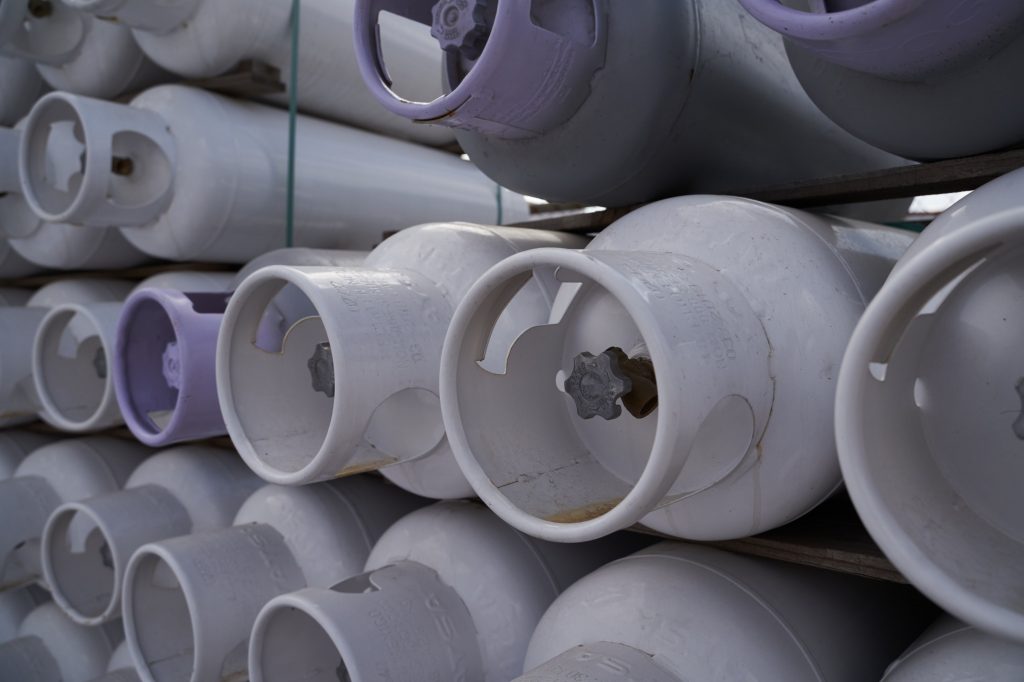
Gadibolae Dihlabi, managing director of LPGSA, addresses the issue of the illicit gas trade, highlighting how the ongoing energy crisis has contributed to its expansion. He emphasizes the importance of regulatory compliance and outlines necessary measures to enhance adherence within the industry.
Moneyweb·June 24, 2026 at 5:35 PM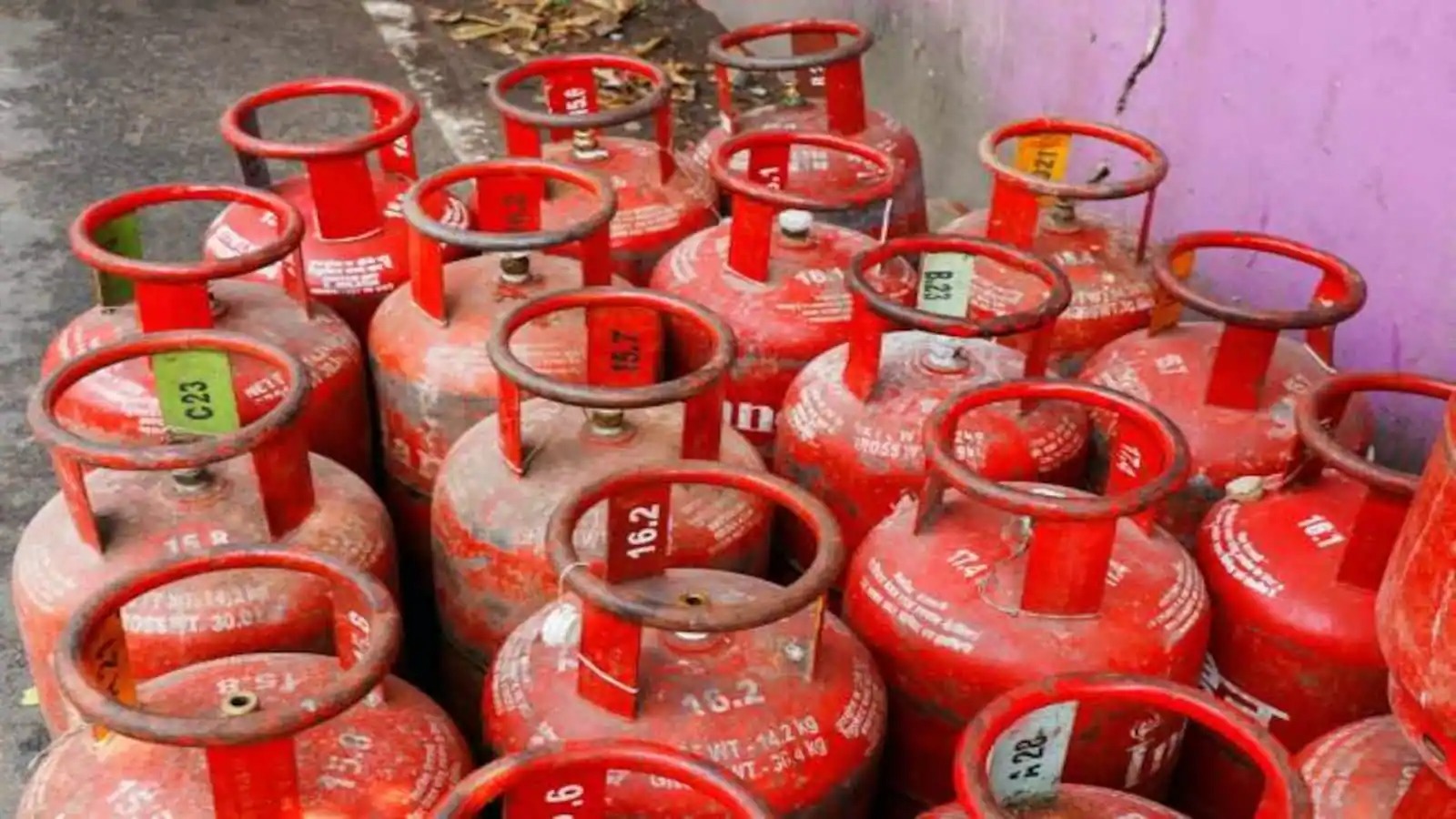
Kenya is undergoing a significant change in household energy consumption, with a marked decline in kerosene use and a rise in Liquified Petroleum Gas (LPG) adoption. This shift is driven by health concerns and environmental considerations, according to a report by John Mutus in the Business Daily. The transformation is noteworthy for business professionals, policymakers, and consumers alike.
Sharp Daily·July 2, 2026 at 3:52 PM
The prices of liquefied petroleum gas, or cooking gas, have decreased in various regions of Nigeria following a period of increase attributed to supply constraints. Retail outlets in Abuja reported a drop in prices, with costs falling between N1450 and N1500 per kilogram, down from N1700 at AA Shafa and Ranoil in Dutse.
Daily Post (NG)·July 4, 2026 at 9:36 PM
The Nigerian Midstream and Downstream Petroleum Regulatory Authority (NMDPRA) has denied that gas flare penalty payments into the Midstream and Downstream Gas Infrastructure Fund (MDGIF) were under-remitted. According to the regulator, discrepancies identified by the Office of the Auditor-General of the Federation resulted from timing and reconciliation issues within the Federation Account channel, rather than any shortfall in the remittances themselves.
Leadership (NG)·September 9, 2026 at 3:57 AM
Kenya’s government has apologised to Burundian nationals over harassment linked to confusion surrounding a crackdown on unlicensed foreign traders, according to Capital FM. The statement, reported from Nairobi on September 7, said authorities would tighten security for immigrants as enforcement continues. The report frames the apology as an effort to reassure Burundians while maintaining measures against unlicensed trading.
Capital FM (KE)·September 8, 2026 at 3:52 AM