Financial sector stakeholders in Nigeria say Islamic and ethical finance could provide an alternative funding channel for the country’s small and medium-scale enterprises, according to Tribune Online. The report frames non-interest, asset-backed and risk-sharing models as possible options for businesses that struggle to access conventional bank credit, while noting that the proposal is being discussed by experts rather than adopted as policy. No specific funding amounts, institutions or timelines are provided.
AI summary. Verify with the original source.
Read full story at Tribune Online (NG) ↗
Listen
Unlock audio summaries, audio summaries, AI chat, Wikipedia facts, and ad-free reading.
$3.99 / month · cancel anytime
Go PremiumBackground facts
Unlock wikipedia facts, audio summaries, AI chat, Wikipedia facts, and ad-free reading.
$3.99 / month · cancel anytime
Go PremiumSimilar stories

Open Space has launched an ethical finance platform in Nigeria, according to Legit.ng, offering Shariah-compliant, asset-backed products alongside AI-powered funding tools. The company also plans to introduce Sukuk opportunities, positioning the service within Nigeria’s Islamic and ethical finance market. The announcement frames the platform around compliant investment structures, technology-enabled funding decisions and asset-backed financing rather than conventional interest-based lending.
Legit.ng·September 9, 2026 at 1:56 PM
A new fintech company called Open Space, focused on artificial intelligence and ethical or non-interest finance, has been launched in Nigeria, according to the Daily Post. The firm was unveiled in Abuja on Tuesday as part of efforts to deepen financial inclusion and make financial services more accessible to Nigerians and businesses. The company's chief executive officer spoke at the launch event, though further details of his remarks were not provided.
Daily Post (NG)·September 9, 2026 at 12:18 PMOpen Space Financial Services Limited has unveiled an Ethical Finance proposition that combines Shariah-compliant financial structures, aiming to expand access to capital and asset ownership. Speaking at the launch in Abuja, an official identified as Ikeh said finance must move beyond transactions toward investment and shared prosperity, according to ThisDay Live. The initiative positions ethical and non-interest financing as a tool for broader financial inclusion, though further details of the model were not disclosed in the report.
ThisDay Live·September 9, 2026 at 10:19 AM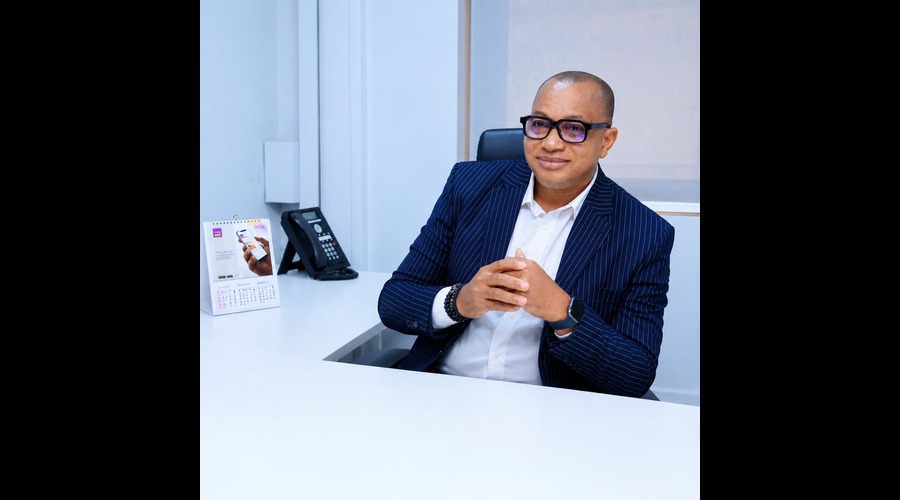
Discussions about small and medium-sized enterprises (SMEs) in Nigeria have traditionally centered on access to finance. However, according to Nairametrics, funding alone is insufficient for driving the next phase of SME growth. Entrepreneurs are confronted with challenges such as high operational costs, evolving customer preferences, rapid technological advancements, and increased competition, indicating a need for a broader approach beyond just financial support.
Nairametrics·June 25, 2026 at 5:04 AM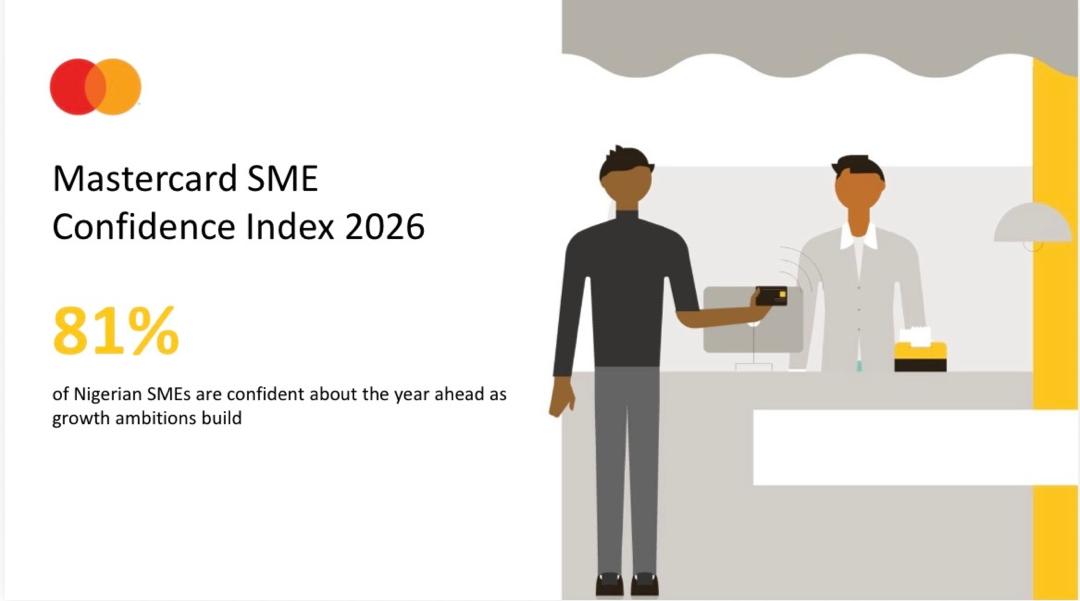
According to Techpoint Africa, 81% of small and medium enterprises (SMEs) in Nigeria are optimistic about the upcoming year, driven by their growth ambitions. This positive outlook reflects the resilience and potential of the SME sector in the country as they prepare for future opportunities.
Techpoint Africa·July 3, 2026 at 2:54 PM
The United States government has sanctioned a Nigerian citizen and three Nigeria-based companies for allegedly facilitating financial transactions linked to the Islamic State of Iraq and Syria (ISIS), according to Ripples Nigeria. This action is part of a broader effort to combat terrorism financing.
Ripples Nigeria·June 24, 2026 at 6:49 AM