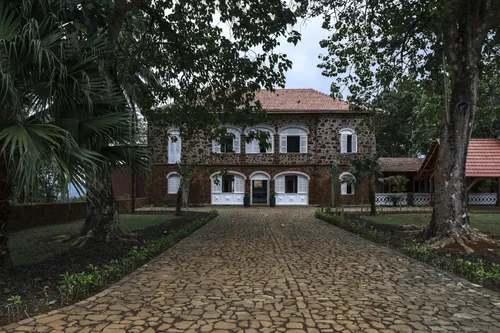
Sao Tome's colonial plantations, established by Portuguese colonists in the late 19th century, cultivated sugar cane and later cocoa and coffee, according to IOL. The estates first relied on enslaved people and later on contracted labourers who were forced to live and work in harsh conditions. The report frames this history as moving from forced labour toward recognition as living heritage, highlighting the plantations' role in the islands' colonial economy and memory.
AI summary. Verify with the original source.
Listen
Unlock audio summaries, audio summaries, AI chat, Wikipedia facts, and ad-free reading.
$3.99 / month · cancel anytime
Go PremiumBackground facts
Unlock wikipedia facts, audio summaries, AI chat, Wikipedia facts, and ad-free reading.
$3.99 / month · cancel anytime
Go PremiumSimilar stories

Jamaica is pursuing $10 billion in reparations from the United Kingdom over the legacy of slavery, according to Al Jazeera. The claim centres on the more than 300 years of British colonial rule on the island, during which hundreds of thousands of enslaved Africans were forced to work on plantations. The demand forms part of a broader push by Caribbean nations seeking formal acknowledgment, apologies, and financial compensation from former colonial powers for the transatlantic slave trade and its lasting impact.
Al Jazeera·September 7, 2026 at 2:58 PMLeaders of Cosatu, Africa's largest labour federation, have blamed foreign resource extraction and weak local beneficiation for economic hardship and migration across the continent. According to IOL, the federation also expressed support for calls for reparations linked to slavery and colonialism, framing predatory Western capital as a driver of Africa's economic challenges.
IOL·September 7, 2026 at 8:27 PM
The article discusses the history of Appolonia, an African kingdom that resisted the transatlantic slave trade, which was a complex and highly commercialized global enterprise from the 16th to the 19th century. It highlights that the events of this period cannot be simplified into a narrative of just perpetrators and victims, as over 12.5 million Africans were dehumanized and commodified, while also noting the limitations faced by Europeans in terms of geographical knowledge and immunity to diseases.
The Conversation Africa·June 26, 2026 at 10:17 AM
South African sugar mills are battling for survival amid state indecision, according to Moneyweb, with the impact of the industry slump visible in small towns such as Darnall. Tongaat closed a mill there in 2020, resulting in the loss of almost 400 permanent jobs and dozens of seasonal work opportunities.
Moneyweb·September 9, 2026 at 5:19 AM
The article discusses the historical context of South Africa's colonization, starting with Bartolomeu Dias's voyage in 1488, which marked the first European navigation around the southern tip of Africa. It explores the reasons why South Africa did not become a Portuguese colony despite early European exploration.
Tanzania Times·July 5, 2026 at 10:26 AM
Jamaica has petitioned King Charles over Britain's historical role in the trans-Atlantic slave trade, according to TimesLIVE. The move is part of an effort to press Britain and other European nations to issue a formal apology for their involvement in slavery and to pay reparations. The petition adds to longstanding Caribbean calls for redress, with Jamaica seeking acknowledgment and compensation for the lasting legacy of the slave trade.
TimesLIVE·September 7, 2026 at 1:08 PM