
According to the Central Bank of Nigeria's monthly economic report for February 2026, net foreign exchange inflow into the economy decreased by 24 percent month-on-month, falling to $6.92 billion from $9.22 billion in January. The report indicated that this decline was driven by various factors, although specific reasons were not detailed in the blurb.
AI summary. Verify with the original source.
Read full story at Vanguard Business ↗
Listen
Unlock audio summaries, audio summaries, AI chat, Wikipedia facts, and ad-free reading.
$3.99 / month · cancel anytime
Go PremiumBackground facts
Unlock wikipedia facts, audio summaries, AI chat, Wikipedia facts, and ad-free reading.
$3.99 / month · cancel anytime
Go PremiumSimilar stories
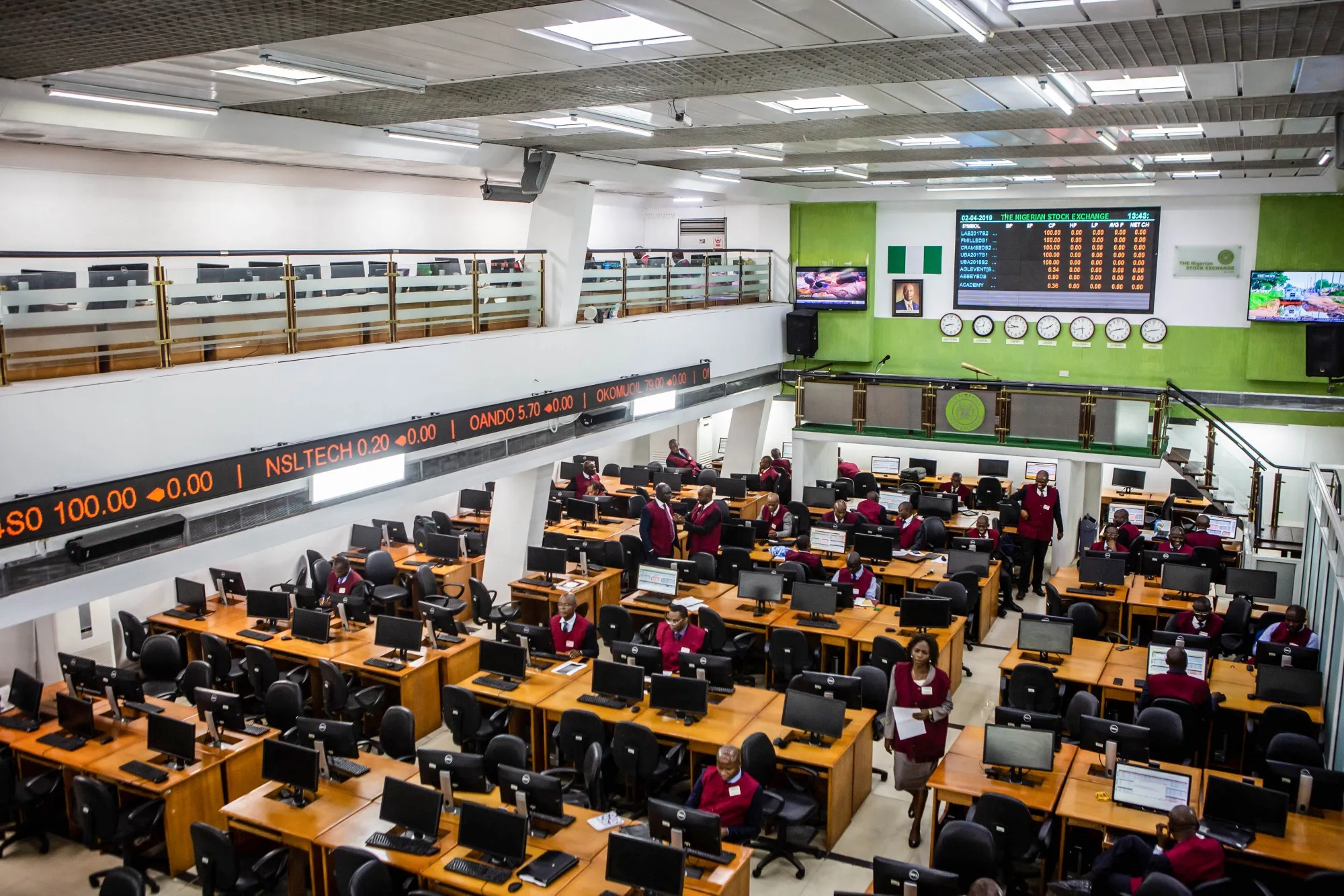
Foreign investors' transactions on the Nigerian Exchange (NGX) fell by 25.90% month-on-month in May 2026, totaling N183.61 billion, down from N247.78 billion in April. This decline marks the worst performance for foreign investor participation in 2026, despite overall market activity reaching its highest monthly level of the year, according to Nairametrics.
Nairametrics·July 3, 2026 at 3:29 PM
According to ThisDay Live, banks' borrowing from the Central Bank of Nigeria (CBN) has decreased by 96.04% Year-on-Year (YoY), reaching N2.33 trillion in the first half of 2026. This significant decline occurs amidst ongoing uncertainty in the business environment.
ThisDay Live·July 5, 2026 at 11:56 PM
In June, the Nigerian stock market experienced significant losses, with investors losing N13.3 trillion in value on the Nigerian Exchange Limited (NGX), marking the highest monthly loss recorded in the first half of the year. This decline is attributed to profit-taking activities among investors. Additionally, FTSE Russell has delayed Nigeria's Frontier Market status due to concerns regarding the T+1 settlement system, according to Vanguard Business.
Vanguard Business·July 1, 2026 at 5:53 AM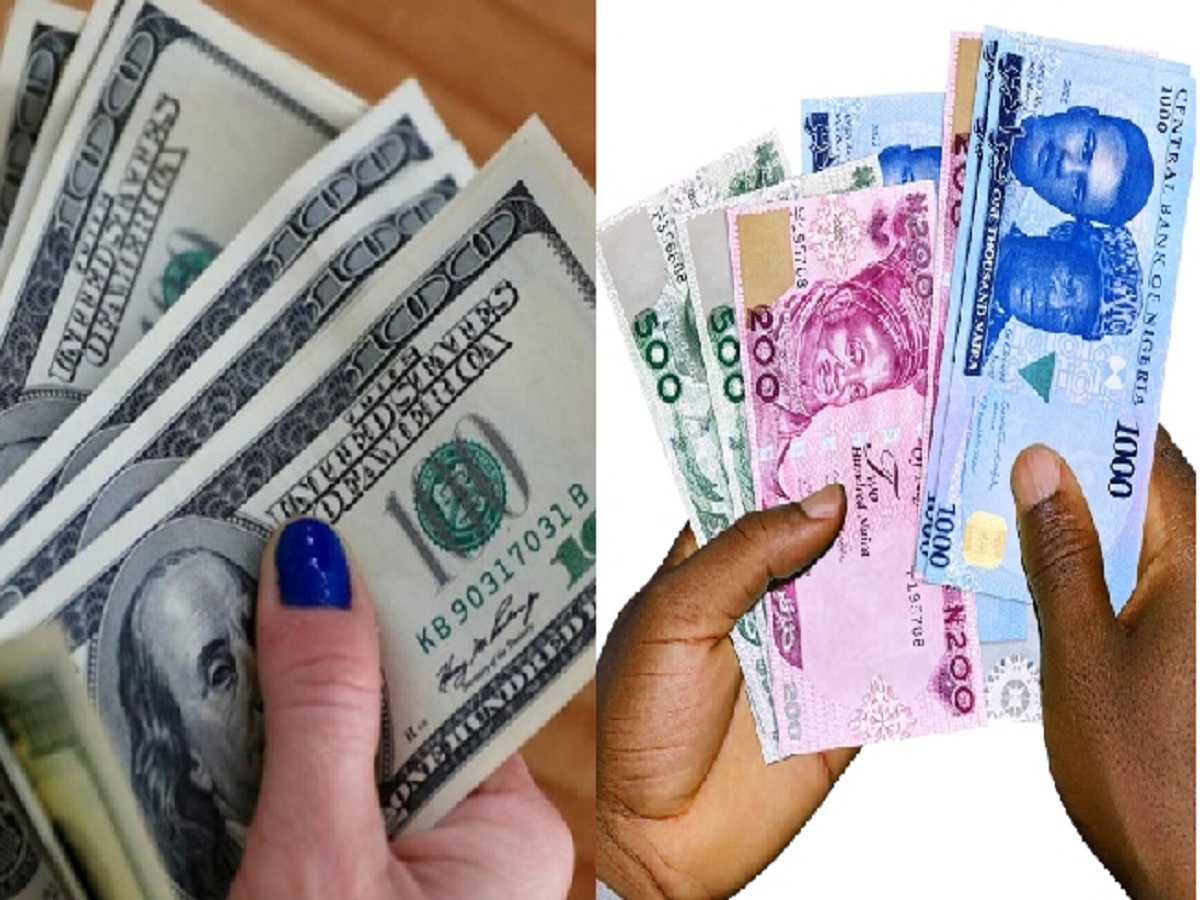
The Nigerian naira has depreciated by at least N9 against the United States dollar at the Central Bank of Nigeria's official foreign exchange window, according to Tribune Online.
Tribune Online (NG)·June 25, 2026 at 7:22 AM
On June 24, 2026, the Nigerian naira experienced its highest depreciation against the dollar in two weeks, according to data from the Central Bank of Nigeria. The official exchange rate reached N1,380.08 per dollar, marking a continued bearish trend for the currency in the foreign exchange market.
Daily Post (NG)·June 24, 2026 at 9:30 PM
The naira experienced its most significant daily decline since April, closing at N1,389 per dollar in the official foreign exchange market on June 24, 2026, according to Nairametrics.
Nairametrics·June 25, 2026 at 5:57 AM