
Experts have shared differing views on the effects of new regulatory frameworks implemented by the Central Bank of Nigeria (CBN) and the Securities and Exchange Commission (SEC) on the fintech sector in Nigeria. The introduction of these rules has led to a division within the industry regarding their potential impact.
AI summary. Verify with the original source.
Read full story at Nairametrics ↗
Listen
Unlock audio summaries, audio summaries, AI chat, Wikipedia facts, and ad-free reading.
$3.99 / month · cancel anytime
Go PremiumBackground facts
Unlock wikipedia facts, audio summaries, AI chat, Wikipedia facts, and ad-free reading.
$3.99 / month · cancel anytime
Go PremiumSimilar stories
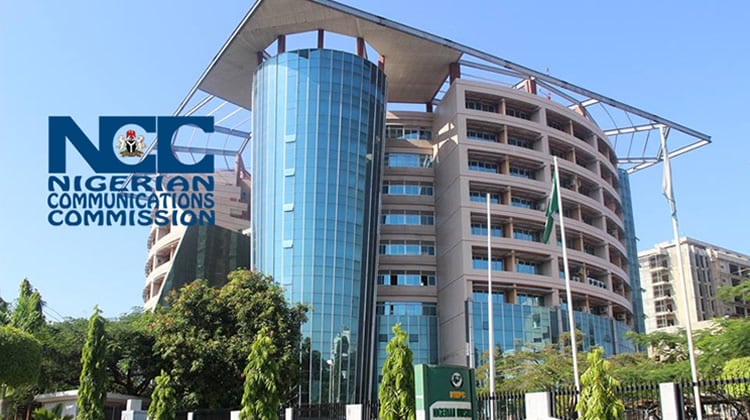
Nigeria's National Communications Commission (NCC) has gained veto power over significant telecom deals, a move it claims will benefit investors. The effectiveness of this new regulation will depend on the NCC's ability to approve transactions promptly, which will be crucial for major players like Airtel, MTN, and Glo.
Techpoint Africa·June 24, 2026 at 8:05 AM
Stakeholders are advocating for the adoption of technology in Nigeria's banking audit sector to improve operational functions, anticipate risks, and enhance assurance in the era of artificial intelligence, according to Punch Business.
Punch Business·June 25, 2026 at 12:45 AM
Bankers in Nigeria have expressed concerns that traditional audit and governance frameworks are becoming insufficient due to the rapid advancements in artificial intelligence, which is transforming banking operations, risk management, and fraud detection. This warning was made during the 64th Quarterly General Meeting of the Association of Chief Audit Executives of Banks in Nigeria (ACAEBIN) held in Lagos.
Daily Trust·June 25, 2026 at 12:19 AMAccording to Punch, Nigeria's top banks raised their technology budgets by 43% in the first quarter of 2026, investing N119 billion in digital infrastructure. This increase aims to enhance services and address the growing demand for digital transactions.
Punch·June 25, 2026 at 12:35 AM
The Securities and Exchange Commission (SEC) of Nigeria has approved Koinkoin Global Network Limited, GIGX Technologies, Blockvault Custodian Ltd, and six other Virtual Asset Service Providers (VASPs) for its Accelerated Regulatory Incubation Programme (ARIP). This Approval-in-Principle allows the nine entities to commence operations within the SEC's regulatory sandbox.
Ripples Nigeria·July 5, 2026 at 11:40 AM
In the first half of 2026, there were significant leadership changes among companies listed on the Nigerian Exchange (NGX), with boards appointing 12 new chief executives, chairmen, and senior executives to lead their growth initiatives, according to Nairametrics.
Nairametrics·July 5, 2026 at 9:14 AM