
An analysis published by Punch argues that Nigeria's recent memorandum of understanding between the National Identity Management Commission and the Nigerian Postal Service is insufficient on its own to fix the country's addressing problems. According to the piece, a postcode system alone cannot deliver progress, and Nigeria instead needs a layered approach combining digital addressing with identity verification. The article frames this missing 'operating layer' as essential for effective service delivery and digital development.
AI summary. Verify with the original source.
Listen
Unlock audio summaries, audio summaries, AI chat, Wikipedia facts, and ad-free reading.
$3.99 / month · cancel anytime
Go PremiumBackground facts
Unlock wikipedia facts, audio summaries, AI chat, Wikipedia facts, and ad-free reading.
$3.99 / month · cancel anytime
Go PremiumSimilar stories

Nigeria's National Identity Management Commission has issued 117.5 million National Identification Numbers but must enrol a further 62.5 million people within six months to meet a World Bank deadline, according to TechCabal. The latest World Bank assessment indicates that beyond expanding enrolment, the greater challenge lies in ensuring the identity system is accurate, trusted and useful, raising questions about whether Nigeria can convert its registration scale into a reliable national identification framework.
TechCabal·September 7, 2026 at 1:29 PM
In an opinion piece for Premium Times, Dipo Baruwa argues that Uber's exit from Nigeria highlights a deeper structural problem: the country is more digitally connected than digitally organised. According to the author, Nigerians have adopted apps and devices without building the physical, institutional and information infrastructure needed to capture their full economic value. Baruwa notes that Nigeria is not short of plans, citing the existing National Integrated Infrastructure Master Plan, and frames the moment as a prompt for national reflection.
Premium Times·September 8, 2026 at 3:10 PM
Nigerians living in the United Kingdom have complained about delays, additional charges and poor organisation at Nigeria Immigration Service passport centres, according to Premium Times. The reported concerns involve an exercise intended to help applicants obtain new passports, renew existing ones and clear pending applications. The account focuses on service delivery for diaspora passport seekers and does not provide an official response from the NIS.
Premium Times·September 8, 2026 at 7:45 AM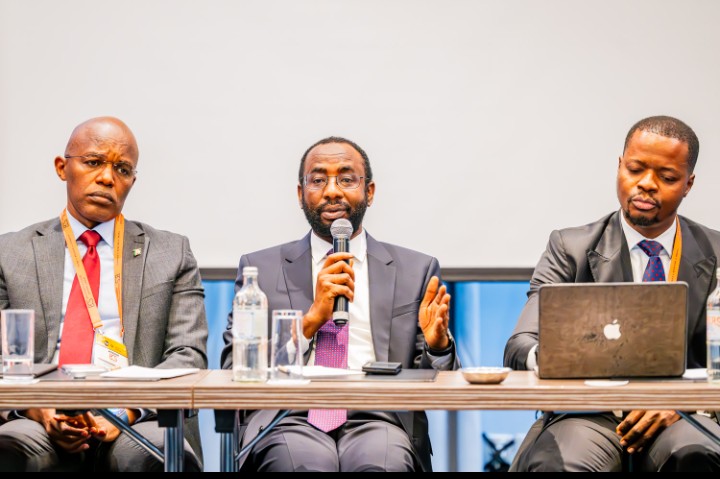
Nigeria’s National Information Technology Development Agency has urged creation of a single regulatory interface across government agencies to reduce overlapping mandates, licensing delays and regulatory uncertainty affecting digital infrastructure investment. According to Leadership, NITDA director-general Kashifu Inuwa Abdullahi made the call at a regulatory roundtable themed “Regulations that Build,” arguing that better alignment between policy and digital regulation could improve investor confidence and support sector growth.
Leadership (NG)·September 9, 2026 at 11:45 AM
The Director-General of the National Information Technology Development Agency (NITDA), Kashifu Abdullahi, has said Nigeria must transition from being a consumer of technology to a producer. Speaking at a pre-summit virtual dialogue ahead of the 32nd Nigerian Economic Summit, he said the country's digital transformation must go beyond technology adoption to fundamentally change how Nigeria creates value and improves productivity, according to the Daily Trust report.
Daily Trust·September 9, 2026 at 5:16 AM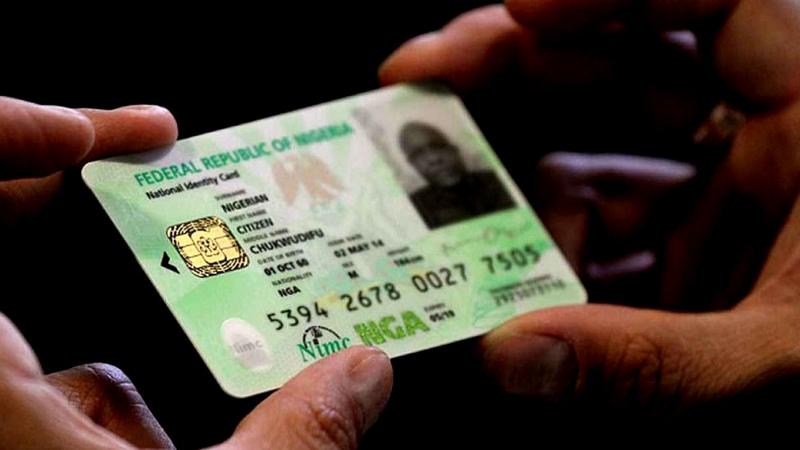
Nigerian President Bola Tinubu has enacted the National Identity Management Commission (NIMC) Act 2026, which repeals the previous 2007 legislation. This new law establishes the NIMC as a Digital Trust Authority, aiming to enhance the management of national identity in Nigeria.
CIO Africa·July 3, 2026 at 10:03 AM