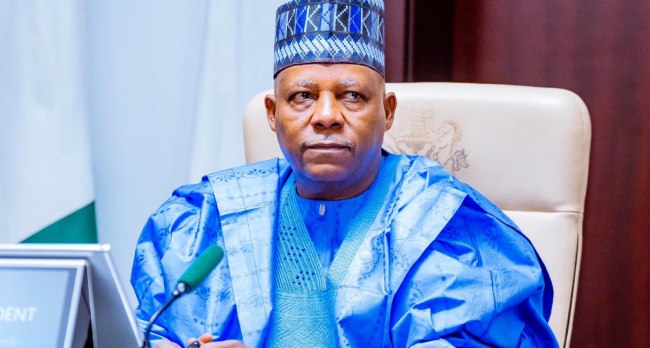
Nigeria's Federal Government has outlined a roadmap for the nationwide rollout of 112 as the country's single universal toll-free emergency number, according to Channels TV. The National Economic Council recently approved the unified number to replace fragmented and slow-response emergency lines. The initiative aims to eliminate bureaucratic bottlenecks and give citizens faster, easier access to assistance during fires, accidents, medical crises and security incidents across the country.
AI summary. Verify with the original source.
Read full story at Channels TV ↗
Listen
Unlock audio summaries, audio summaries, AI chat, Wikipedia facts, and ad-free reading.
$3.99 / month · cancel anytime
Go PremiumBackground facts
Unlock wikipedia facts, audio summaries, AI chat, Wikipedia facts, and ad-free reading.
$3.99 / month · cancel anytime
Go PremiumSources
- Channels TV, Donatus Anichukwueze
- Vanguard (NG), Nwafor
Similar stories

The Office of the National Security Adviser (ONSA) on Monday launched Rapid Response 3 (CRE 2026), an exercise aimed at testing Nigeria's emergency readiness amid ongoing insecurity challenges. According to Tribune Online, the initiative is designed to assess the country's capacity to respond swiftly to security threats and emergencies. The exercise forms part of broader efforts by the national security apparatus to strengthen coordination and preparedness among response agencies across Nigeria.
Tribune Online (NG)·September 7, 2026 at 8:00 PM
Nigeria's National Identity Management Commission has issued 117.5 million National Identification Numbers but must enrol a further 62.5 million people within six months to meet a World Bank deadline, according to TechCabal. The latest World Bank assessment indicates that beyond expanding enrolment, the greater challenge lies in ensuring the identity system is accurate, trusted and useful, raising questions about whether Nigeria can convert its registration scale into a reliable national identification framework.
TechCabal·September 7, 2026 at 1:29 PM
Poor telecommunications networks in Nigeria are causing significant economic losses, with small and medium-sized enterprises complaining that unreliable connections threaten their livelihoods. According to the Nigerian Communications Commission, the country recorded more than 5,000 fibre-optic cable cuts in six months. Telecommunications operators attribute the disruptions to fibre cuts, vandalism, and power supply problems, Vanguard reports, noting that internet-reliant entrepreneurs and workers increasingly depend on stable mobile connectivity for their income.
Vanguard (NG)·September 8, 2026 at 11:16 PM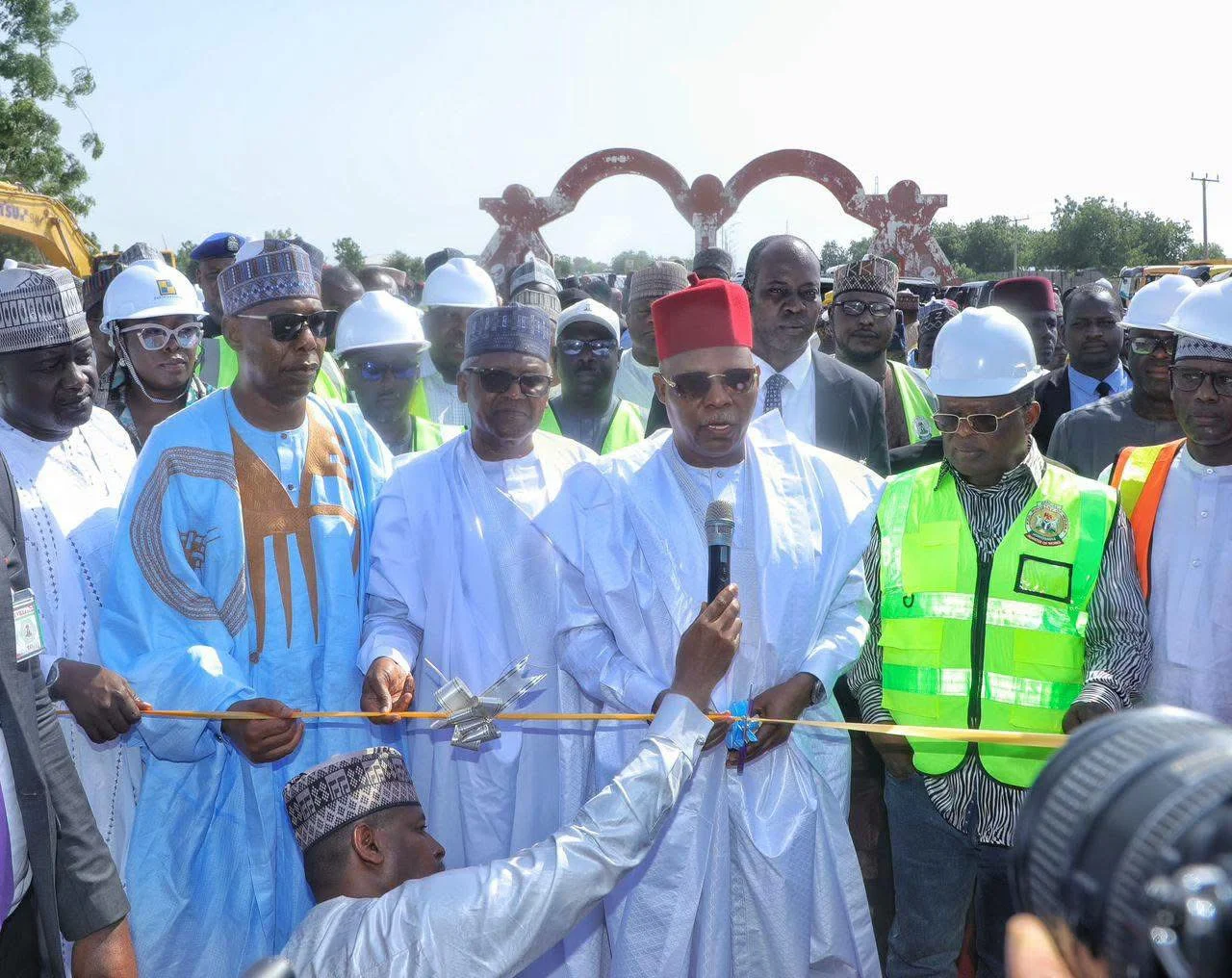
President Tinubu has launched N137 billion worth of road projects in Borno, aimed at enhancing trade and security in the region. He emphasized that the significance of promises is realized when citizens can utilize the roads for transportation of goods and personal connections, contributing to improved safety and living conditions.
PM News (NG)·July 4, 2026 at 10:16 PM
The Office of the National Security Adviser (ONSA) is conducting a multi-agency crisis response exercise in Delta State to assess Nigeria's emergency preparedness. According to Punch, the drill is designed to test the country's capacity to respond to complex security situations, involving coordination among multiple agencies to evaluate readiness and identify gaps in crisis management procedures.
Punch·September 8, 2026 at 1:15 AM
The Nigerian federal government has launched a national initiative to incorporate electric cooking into the country's Clean Cooking Policy. This initiative aims to attract investment, enhance access to clean energy, and decrease reliance on firewood and other polluting cooking fuels.
Premium Times Business·July 3, 2026 at 2:58 PM