
Government investment in modern fishing boats, training, licensing and fisheries infrastructure, including the Shimoni Port, is transforming livelihoods in Kenya's coastal Kwale County, according to Tuko. The initiative is changing how coastal communities earn a living from the Indian Ocean, with new equipment and facilities supporting the local fishing sector and improving incomes for residents who depend on the industry.
AI summary. Verify with the original source.
Listen
Unlock audio summaries, audio summaries, AI chat, Wikipedia facts, and ad-free reading.
$3.99 / month · cancel anytime
Go PremiumBackground facts
Unlock wikipedia facts, audio summaries, AI chat, Wikipedia facts, and ad-free reading.
$3.99 / month · cancel anytime
Go PremiumSimilar stories

Fishing communities along Kenya's Coast have long depended on traditional fishing methods while struggling with declining fish stocks, poor storage facilities, low prices, and limited opportunities for young people. According to residents, increased government focus on the blue economy is beginning to transform the way coastal communities work, opening new livelihood opportunities beyond conventional fishing.
Business Today (KE)·September 9, 2026 at 3:15 AM
Kenya's Ruto administration has placed the blue economy at the centre of its coastal development agenda, backed by Kshs 3.3 billion in investment, according to Ghafla Kenya. In Jomvu, on the outskirts of Mombasa, a group of women known as Mama Karanga illustrate how the initiative is reshaping livelihoods along the coastline. For years, the women earned modest incomes frying and selling fish bought from local fishermen, with earnings often barely sufficient to meet their needs.
Ghafla Kenya·September 9, 2026 at 6:25 AM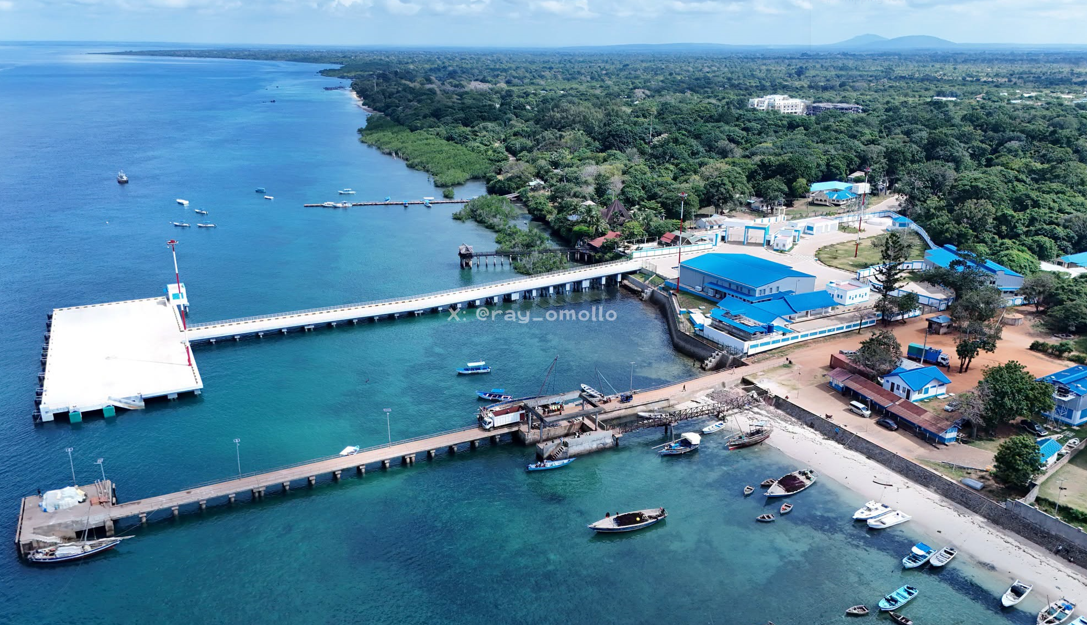
Kenya's blue economy is growing following increased government investment in fisheries, aquaculture, infrastructure, training and community enterprises, according to Business Today. Fish production rose 8.1 per cent, from 173,741 tonnes in 2022 to 189,151 tonnes as of August this year, supported by Ksh3.3 billion in grants. The figures reflect increased activity and investment across the country's fisheries sector.
Business Today (KE)·September 9, 2026 at 3:00 AM
Nigerian maritime operators are advocating for a comprehensive roadmap to facilitate equipment upgrades within the industry. They emphasize the importance of adopting green practices and establishing financing frameworks to modernize ports, according to Punch.
Punch·June 25, 2026 at 1:00 AM
Japan is set to replace the hazardous Likoni ferries with a modern four-lane cable-stayed bridge over Kilindini Creek in Mombasa. The bridge will span 1.4 kilometers and will be accompanied by approximately 13 kilometers of connecting roads and modern infrastructural interchanges.
Tanzania Times·July 3, 2026 at 2:42 PM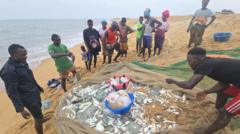
Fishing crews in Sierra Leone have expressed concerns that large Chinese trawlers are illegally depleting local fish stocks, which they claim is negatively impacting their livelihoods. The fishermen allege that these foreign vessels are engaging in practices that threaten the sustainability of the fishing industry in the region, leading to economic difficulties for local communities.
BBC World·July 5, 2026 at 11:30 PM