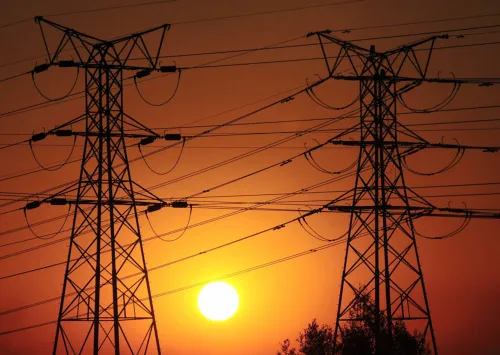
South African consumers could face an 8.8% increase in electricity bills if Eskom's application to the National Energy Regulator of South Africa (NERSA) is approved. According to SABC Business, the state-owned power utility is requesting permission to implement the third year of its multi-year price determination. The decision now rests with NERSA, which regulates electricity tariffs in South Africa. The outcome will determine whether households and businesses pay more for power in the coming period.
AI summary. Verify with the original source.
Read full story at SABC Business ↗
Listen
Unlock audio summaries, audio summaries, AI chat, Wikipedia facts, and ad-free reading.
$3.99 / month · cancel anytime
Go PremiumBackground facts
Unlock wikipedia facts, audio summaries, AI chat, Wikipedia facts, and ad-free reading.
$3.99 / month · cancel anytime
Go PremiumSources
- SABC Business, Nomcebo Miya
- Vanguard Business, Urowayino Jeremiah
Similar stories
Eskom's additional R54 billion from tariffs is set to be challenged in court once more, as the National Energy Regulator of South Africa (Nersa) faces accusations of concealing the irrationality behind its decision regarding the power utility's revenue. This legal dispute highlights ongoing tensions surrounding energy pricing and regulatory practices in the country.
The Citizen Business·June 23, 2026 at 10:28 AMDespite a reduction in load shedding and fewer power cuts in South Africa, electricity bills are increasing. This rise in costs is attributed to significant tariff increases approved by the National Energy Regulator, leading to confusion among consumers about why prices are climbing when the power supply is more stable.
IOL·June 25, 2026 at 3:50 AM
Uganda's electricity regulator has announced that power tariffs will remain largely unchanged for the second quarter of 2026, as a strengthening shilling has balanced out a slight increase in global fuel prices. The Electricity Regulatory Authority noted that the approved end-user tariffs for April to June reflect changes in macroeconomic factors, but ultimately maintain stable pricing. The Ugandan shilling appreciated against the US dollar, reducing pressure on costs associated with dollar-denominated electricity generation.
Uganda Business News·April 9, 2026 at 6:34 AM
According to Moneyweb, recent electricity price hikes are significantly impacting families, pushing them further into financial difficulties. The focus has shifted from issues of load shedding to the increasing costs of electricity, which are becoming unaffordable for many households.
Moneyweb·July 5, 2026 at 2:00 AM
South Africa is transitioning from coal-fired electricity, which currently accounts for 74% of its power, to renewable sources like wind and solar. This shift is complicated and is being hindered by the need for a different electricity system and new grid management strategies. Additionally, significant changes are required at Eskom, the state-owned utility that has historically dominated the power sector.
The Conversation Africa·June 30, 2026 at 10:56 AM
A court has issued a ruling that halts Eskom's ultimatum regarding the cut-off or take-over of services in the Dr Beyers Naudé Municipality. The decision confirms the legal requirements necessary for the Distribution Agency Agreement, clarifying the obligations and processes involved in the municipality's dealings with Eskom.
The Citizen Business·June 19, 2026 at 11:48 AM