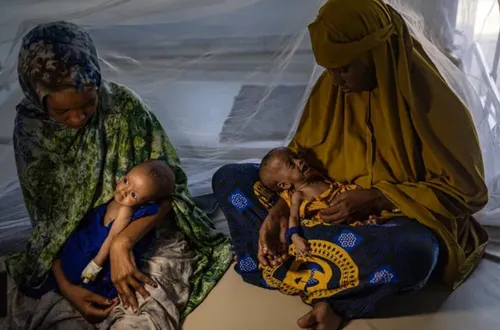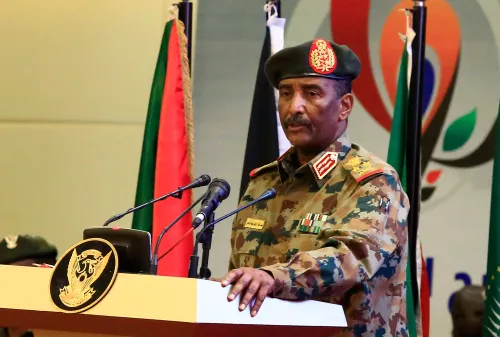
Documents reviewed by The Washington Post and allegations from a Sudanese rights group point to a suspected Sudanese army programme involving chlorine munitions and the diversion of water-treatment supplies intended as international relief materials, according to an IOL report. The claims, which suggest the army may have used aid supplies to produce banned weapons, have not been independently confirmed. The article's author stresses that the allegations require careful attribution and independent verification before conclusions can be drawn.
AI summary. Verify with the original source.
Listen
Unlock audio summaries, audio summaries, AI chat, Wikipedia facts, and ad-free reading.
$3.99 / month · cancel anytime
Go PremiumBackground facts
Unlock wikipedia facts, audio summaries, AI chat, Wikipedia facts, and ad-free reading.
$3.99 / month · cancel anytime
Go PremiumSimilar stories
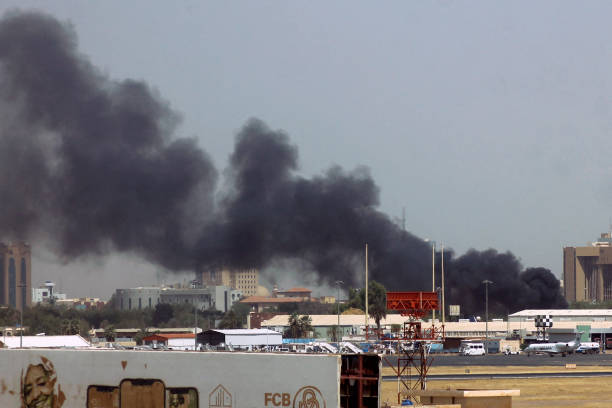
Leaked intelligence reported by Capital FM has renewed scrutiny of Sudan’s war by alleging that the Sudanese Armed Forces under General Abdel Fattah al-Burhan developed and deployed chlorine-based weapons. The claims remain allegations and are attributed to the leaked material rather than independently verified in the blurb. The report centers on Nairobi-datelined coverage of the Sudan conflict and the SAF’s alleged chemical-weapons programme.
Capital FM (KE)·September 7, 2026 at 7:26 PM
Newly revealed documents on chemical weapons in Sudan could trigger fresh sanctions against the country's army and its leadership, according to Watchdog Uganda. The outlet reports that findings published by The Washington Post and The New York Times may go beyond reopening the file on the alleged use of banned weapons, potentially expanding the range of individuals and entities facing international pressure and sanctions if the published indicators are substantiated.
Watchdog Uganda·September 7, 2026 at 4:58 PM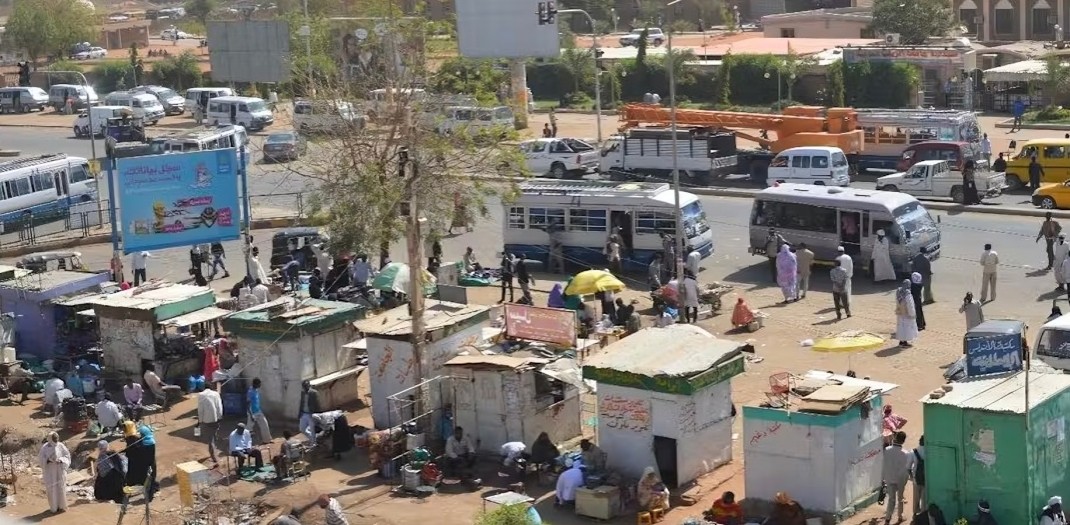
Residents of Khartoum and other Sudanese cities are facing a worsening water crisis, with thousands spending hours queuing for tanker-delivered water, according to the Eastleigh Voice. The shortages, affecting urban and rural areas for months, are reportedly linked to alleged chemical weapons contamination amid Sudan's ongoing war. The contamination claim remains unverified and is attributed to the reports cited.
Eastleigh Voice·September 8, 2026 at 7:22 PMSudan's war, now in its fourth year, continues to draw international warnings but little concrete action, according to IOL. In one week in September 2026, the UN human rights chief renewed calls to end the conflict, the Security Council debated extending an arms embargo, and Médecins Sans Frontières warned the country's healthcare system is near total collapse. The report argues Sudan lacks funding, leverage, and a Security Council able to turn concern into consequences.
IOL·September 8, 2026 at 6:57 PM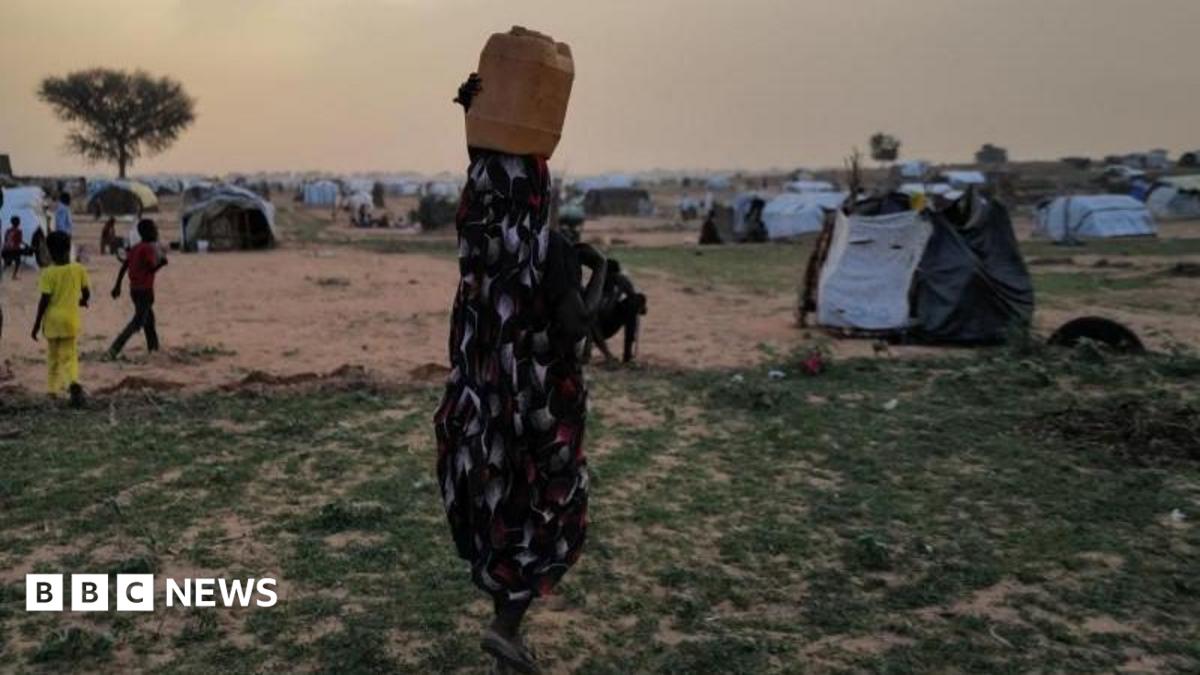
The United Nations reports that sexual violence is increasingly being used as a 'weapon of war' in Sudan, with the scale and brutality of these attacks being unprecedented. The attacks are reportedly aimed at terrorizing communities, highlighting a severe humanitarian crisis in the region.
Upland Media (UG)·June 23, 2026 at 8:00 PM
Sudan has been experiencing ongoing conflict since 2023, following the outbreak of fighting between the Sudanese Armed Forces and the Rapid Support Forces. According to Eastleigh Voice, the people in El Obeid are facing continuous drone strikes as a result of this war.
Eastleigh Voice·July 4, 2026 at 4:21 PM