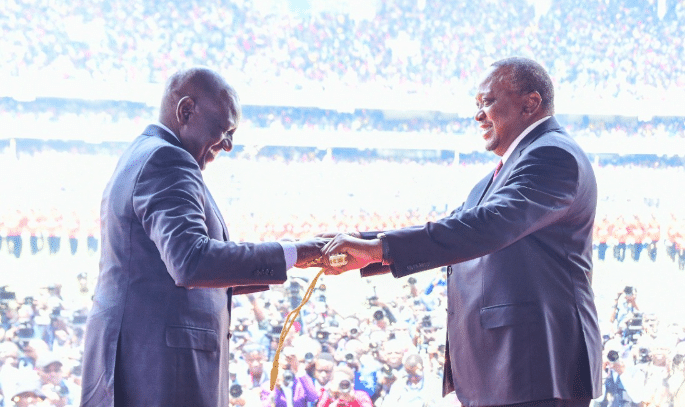
The Kenya Times recounts how Kenya's election technology failed during the 2013 general election. At the national tallying center in Bomas, presidential results initially appeared on a large electronic screen as they arrived from polling stations, with Kenyans also following figures on television, radio and online. However, the transmission system stalled after receiving results from only about 14,000 of the country's 32,613 polling stations, disrupting the electronic display of results on voting day.
AI summary. Verify with the original source.
Read full story at The Kenya Times ↗
Listen
Unlock audio summaries, audio summaries, AI chat, Wikipedia facts, and ad-free reading.
$3.99 / month · cancel anytime
Go PremiumBackground facts
Unlock wikipedia facts, audio summaries, AI chat, Wikipedia facts, and ad-free reading.
$3.99 / month · cancel anytime
Go PremiumSimilar stories

The Kenya Times recounts Kenya's disputed 2007 presidential election, in which Electoral Commission chairman Samuel Kivuitu declared Mwai Kibaki the winner on 30 December 2007. According to the report, the announcement followed two days of disorder at the national tallying center in Nairobi, where disputed constituency figures, unexplained delays, and interruptions made the count impossible to verify. Kibaki was sworn in shortly afterwards amid the unresolved controversy over the result.
The Kenya Times·September 8, 2026 at 12:31 PM
A new report by the Thomson Reuters Foundation has warned that Kenyans could face media restrictions and internet blackouts during the 2027 general elections if recent trends continue, according to The Kenya Times. The report says such measures could limit access to information, disrupt journalism and create conditions in which misinformation spreads more easily during the politically sensitive election period. The warning highlights concerns over press freedom and public access to reliable information ahead of the vote.
The Kenya Times·September 9, 2026 at 4:55 AM
Voters in Ekiti faced issues during the recent polling, encountering non-functional BVAS machines and experiencing low turnout, which has raised concerns about potential logistical problems for the upcoming 2027 elections. Civil society groups have expressed fears that these issues may mirror those seen in the 2023 elections, alongside new allegations of vote-buying, according to Leadership (NG).
Leadership (NG)·July 5, 2026 at 6:37 AM
Kenyan President William Ruto has publicly rejected claims made by Deputy President Rigathi Gachagua that he was responsible for delivering votes from the Mt Kenya region in the 2022 elections. This statement comes amid rising tensions in Kenyan politics, particularly surrounding the disruption of the Linda Mwananchi rally and the lead-up to the 2027 elections, which will involve significant political figures.
Tuko·July 5, 2026 at 11:47 PMThe Independent Electoral and Boundaries Commission (IEBC) of Kenya has announced that the next general election will take place on Tuesday, August 10, 2027. This announcement was made during the launch of the Election Operation Plan for 2025 to 2027, which includes a comprehensive election calendar to assist public officers, political parties, and candidates in their preparations.
Khusoko·June 25, 2026 at 6:14 AM
A new opinion poll by Bobea Report places Kenyan President William Ruto ahead of his main challengers in the 2027 presidential race, while showing tight contests in several Nairobi gubernatorial and parliamentary races, according to Ghafla Kenya. The inaugural people-centred poll assessed presidential, gubernatorial and parliamentary contests ahead of the 2027 General Election, offering an early look at the country's emerging political landscape.
Ghafla Kenya·September 8, 2026 at 6:18 AM