
A leading medical expert has warned that pregnant women in Nigeria cannot always rely on hospital arrival to guarantee safe childbirth, according to Tori.ng. The warning highlights serious shortcomings in maternity care, suggesting that reaching a health facility does not necessarily ensure women receive the treatment needed to survive labour and delivery. The report points to a broader crisis in Nigeria's maternal health system, raising concerns about the quality and availability of care for expectant mothers.
AI summary. Verify with the original source.
Listen
Unlock audio summaries, audio summaries, AI chat, Wikipedia facts, and ad-free reading.
$3.99 / month · cancel anytime
Go PremiumBackground facts
Unlock wikipedia facts, audio summaries, AI chat, Wikipedia facts, and ad-free reading.
$3.99 / month · cancel anytime
Go PremiumSimilar stories

A new study has found that maternal mortality in Nigeria remains high even when pregnant women reach hospitals, according to Punch. The research points to systemic failures within the healthcare system, alongside the ongoing brain drain of medical professionals, as key factors costing lives. The findings suggest that simply arriving at a health facility is no longer sufficient to guarantee survival for expectant mothers, highlighting deeper structural problems in Nigeria's maternal healthcare delivery.
Punch·September 9, 2026 at 12:43 AMA new study has found that stockouts of multiple micronutrient supplements (MMS) at health facilities are contributing to Nigeria's burden of maternal anaemia, according to Leadership. Pregnant women experiencing fatigue, weakness and other anaemia symptoms often cannot access the nutritional support needed to protect themselves and their babies, as the essential supplements are frequently unavailable. The report highlights how these supply gaps undermine antenatal care for many women across the country.
Leadership (NG)·September 9, 2026 at 6:21 AM
A Daily Trust opinion/feature piece highlights SARMAAN’s door-to-door community health outreach in northern Nigeria, framing front-door visits by health workers as consequential for children’s wellbeing. It says millions of children have been reached and argues this model belongs in the global public-health conversation, emphasizing household-level contact over hospitals, ministries, or conferences. The blurb does not provide outcomes, funding, dates beyond publication, or independent verification, so claims about scale and significance remain attributable to the source.
Daily Trust·September 7, 2026 at 3:21 PM
A report published on Wednesday revealed that over 500 mothers and babies experienced potentially avoidable harm or died as a result of inadequate care at a UK hospital, marking a significant maternity scandal in the country. This inquiry is noted as the largest of its kind in the UK.
Vanguard (NG)·June 24, 2026 at 7:09 PM
The Mother and Child Hospital in Akwa Ibom, commissioned nearly a year ago, remains closed, raising concerns about its impact on women's health in the region. According to Premium Times, the facility's inactivity is failing to serve the community it was intended to help.
Premium Times·June 25, 2026 at 4:00 AM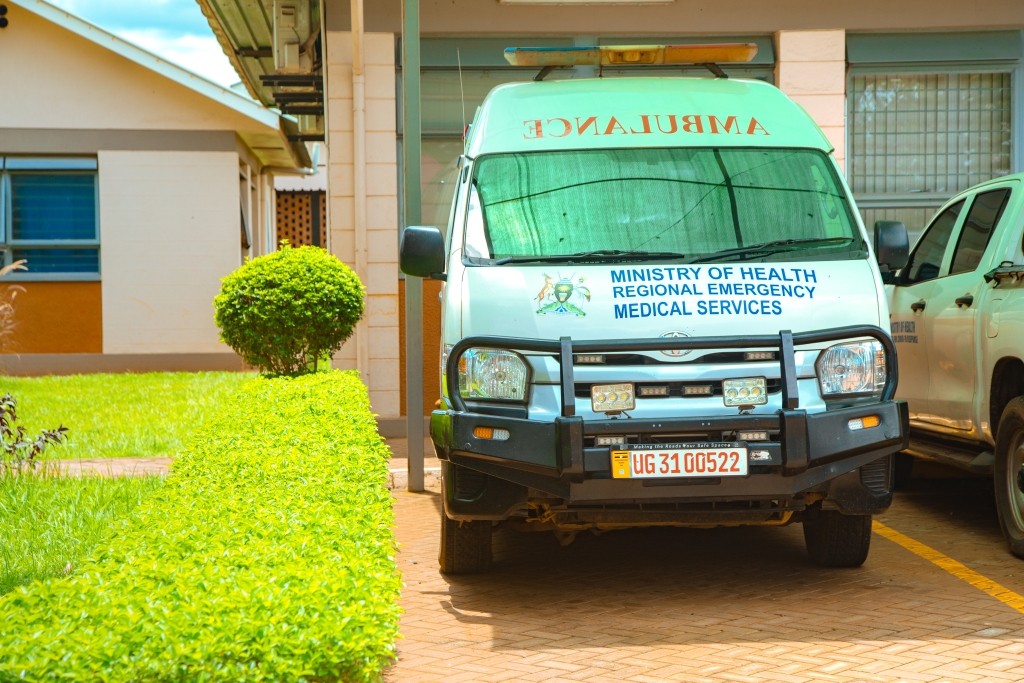
During the celebration of International Women’s Day 2026 in Uganda, Kayunga District emphasized the urgent issue of lacking a functional ambulance at Bbaale Health Centre IV, which endangers the lives of expectant mothers. The event, themed "Scaling up Investment to Accelerate Access to Justice for All Women and Girls," highlighted maternal health concerns while health workers pointed out the critical infrastructure gap affecting emergency services.
The Scribe (UG)·July 1, 2026 at 5:13 PM