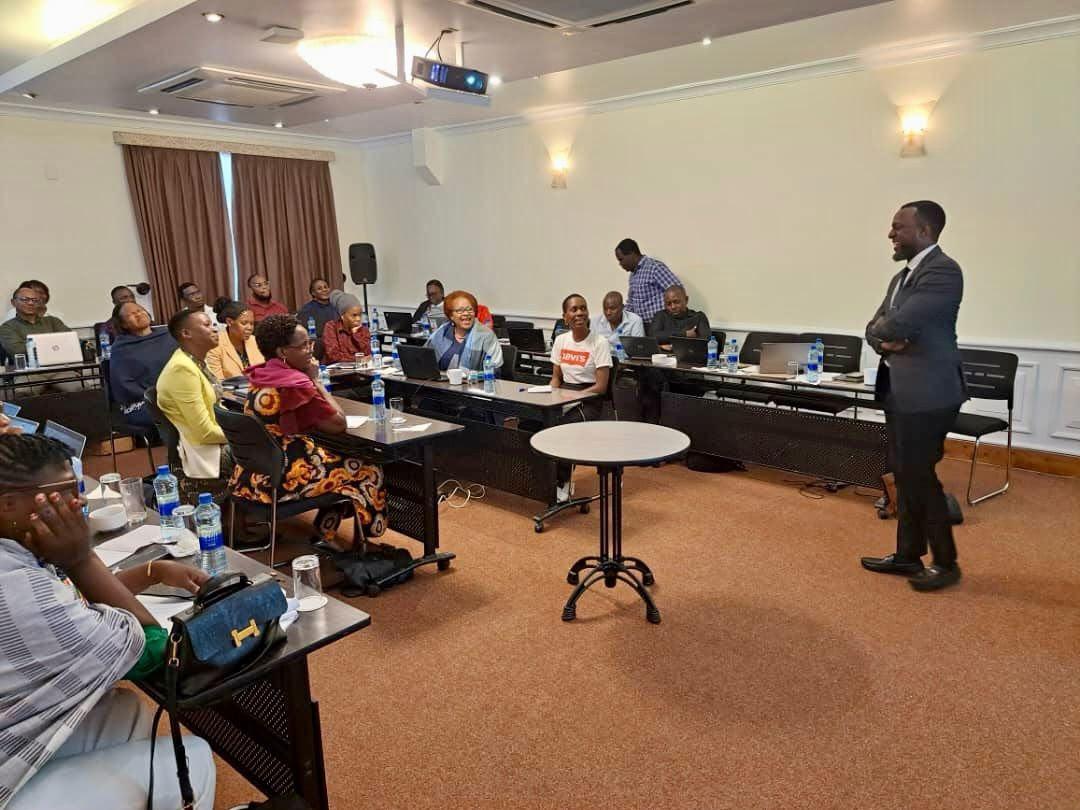
Experts in Tanzania have advised private school owners to diversify their income sources beyond tuition fees to enhance financial sustainability and promote long-term growth. This recommendation arises amid rising operational costs and the challenges posed by a dynamic economic environment affecting educational institutions.
AI summary. Verify with the original source.
Read full story at Daily News (TZ) ↗
Listen
Unlock audio summaries, audio summaries, AI chat, Wikipedia facts, and ad-free reading.
$3.99 / month · cancel anytime
Go PremiumBackground facts
Unlock wikipedia facts, audio summaries, AI chat, Wikipedia facts, and ad-free reading.
$3.99 / month · cancel anytime
Go PremiumSimilar stories

During the annual Proprietors Summit, Yaqeen Mansur, Chairman of the League of Muslim School Proprietors (LEAMSP) in Lagos State, urged Muslim school owners to adopt digital transformation and diversify their income sources to enhance resilience against the challenging economic conditions affecting the educational sector in Nigeria.
Tribune Online (NG)·June 24, 2026 at 9:30 PM
Secondary school principals in Kenya are advocating for an increase in school fees, citing that the existing funding model is inadequate due to economic changes and the costs associated with the Competency-Based Education (CBE). They propose a unit-cost formula to determine fees based on the actual expenses for services per student, which include tuition, meals, and accommodation. Currently, the government allocates a flat capitation grant of Sh22,244 per learner annually for secondary education.
Nairobi Wire·June 25, 2026 at 3:45 AM
Senior secondary school principals have suggested a thorough review of school fees due to rising operational costs and delays in government funding. This proposal indicates that parents may face increased financial burdens as schools seek to address these challenges.
Soko Directory·June 24, 2026 at 9:42 AM
Tanzania's state-owned enterprises have reported a record dividend of Sh1.3 trillion, marking a 30 percent increase in national dividends. This surge is attributed to efficiency reforms that have transformed these state firms from being reliant on subsidies to becoming significant revenue generators, according to The Chanzo.
The Chanzo·July 1, 2026 at 6:49 AM
The Tanzania Private Sector Federation (TPSF) and the Confederation of Tanzania Industries (CTI) have expressed support for the business and tax reforms included in Tanzania's 2026/27 Budget, which feature faster VAT refunds, investment incentives, and regulatory simplification. However, they emphasized that to meet the Tanzania Development Vision 2050 goal of becoming a USD 1 trillion economy, the country's economic growth must exceed the projected 6.3% in 2026, reaching over 10% annually.
TanzaniaInvest·June 15, 2026 at 2:00 AM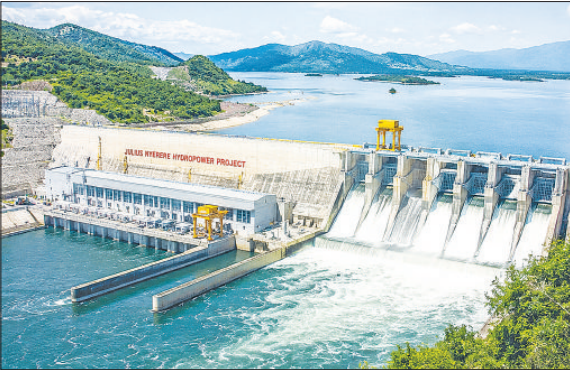
Tanzania aims to achieve its goal of becoming a middle-income, industrialized economy by focusing on reliable, affordable, and sustainable energy. The country recognizes that without sufficient electricity to support industries, businesses, and household needs, economic transformation will be limited. Consequently, energy development has been prioritized as a strategic national objective, according to Daily News.
Daily News (TZ)·July 4, 2026 at 12:35 PM