The Elephant examines the legacy of liberation theology, arguing that Christian theology was appropriated to justify apartheid's racist ideology in South Africa. According to the article, Black theologians resisted this appropriation by developing a theology of the oppressed, which framed faith as a tool for liberation rather than subjugation. The piece questions whether liberation theology remains an unfinished project, reflecting on its historical role in confronting injustice and its continuing relevance to struggles against oppression today.
AI summary. Verify with the original source.
Read full story at The Elephant ↗
Listen
Unlock audio summaries, audio summaries, AI chat, Wikipedia facts, and ad-free reading.
$3.99 / month · cancel anytime
Go PremiumBackground facts
Unlock wikipedia facts, audio summaries, AI chat, Wikipedia facts, and ad-free reading.
$3.99 / month · cancel anytime
Go PremiumSimilar stories
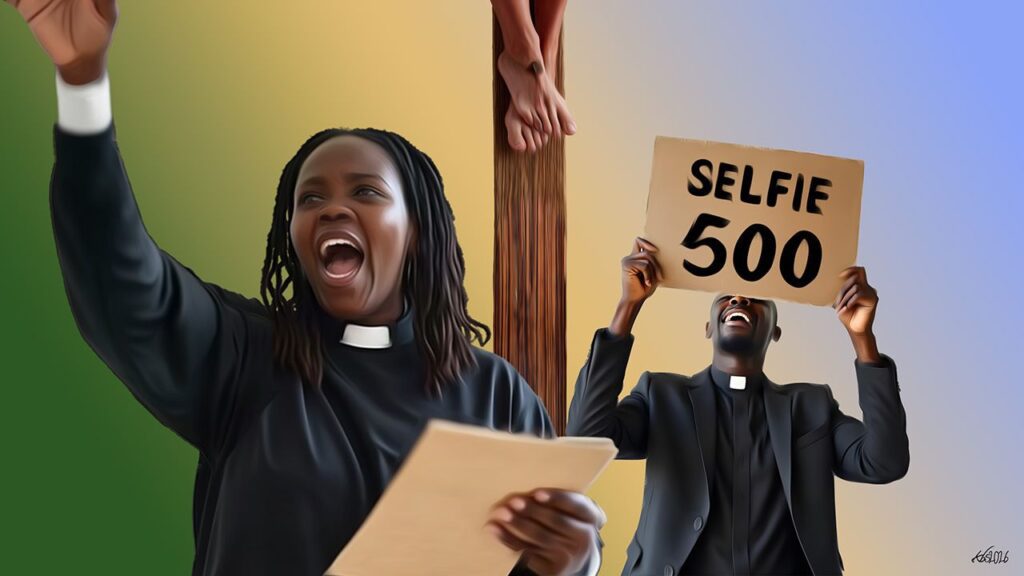
An article published by The Elephant reflects on Kenya's #Occupy Churches protests, arguing that faith communities can avoid what it calls the twin pitfalls of State Theology and Church Theology. According to the piece, churches should reclaim the analytical rigour of the Kairos Document — a landmark South African anti-apartheid theological text — and translate political theology into concrete operational action, framing the moment as a critical opportunity for Kenya's religious institutions.
The Elephant·September 2, 2026 at 8:00 AM
The Elephant has published an interview with Reverend Carol Kiarie discussing the role of public theology in Kenya. She argues that as Kenyans turn to faith to make sense of turbulent times and pressing public issues, public theology can provide the language, concepts, and spaces needed to rebuild a livable public life. Kiarie presents public theology as the future of the church, framing faith as a resource for engaging with civic and social challenges.
The Elephant·August 25, 2026 at 9:10 AM
In an interview with The Elephant, Bishop Francis Omondi discusses the relationship between theology and public and political life in Kenya, a question he describes as central and ongoing. The conversation explores the realities and vocabularies this dynamic has produced within the country's public square, examining how religious thought interacts with civic and political discourse.
The Elephant·August 26, 2026 at 9:30 AM
The Elephant examines the complex relationship between faith, power, and social justice within Kenya's Church. The article questions how the Church can serve as a moral conscience, watchman, and voice for justice while believers accept earthly injustice in hope of heavenly reward. It explores the paradox of preaching justice for the afterlife while tolerating its absence in everyday Kenyan life, probing the institution's role in society and politics.
The Elephant·September 5, 2026 at 8:00 AM
The article discusses four key figures—the Judge, the Prophet, the Prince, and the Warrior—who played significant roles in the 2007-08 post-election violence in Kenya and have influenced the country's public theological discourse since then. Each figure represents a distinct response to the decline of state authority and offers different solutions to existential challenges, shaping the political-theological landscape until 2024, according to The Elephant.
The Elephant·July 1, 2026 at 10:00 AMA letter to the editor discusses the contributions of Indian South Africans to the liberation struggle in South Africa. It highlights their involvement and sacrifices made during the fight against apartheid, emphasizing the importance of recognizing their role in the country's history.
IOL·June 25, 2026 at 7:00 AM