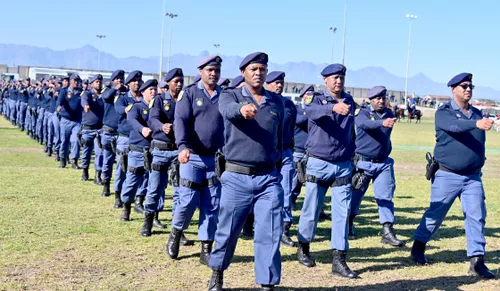
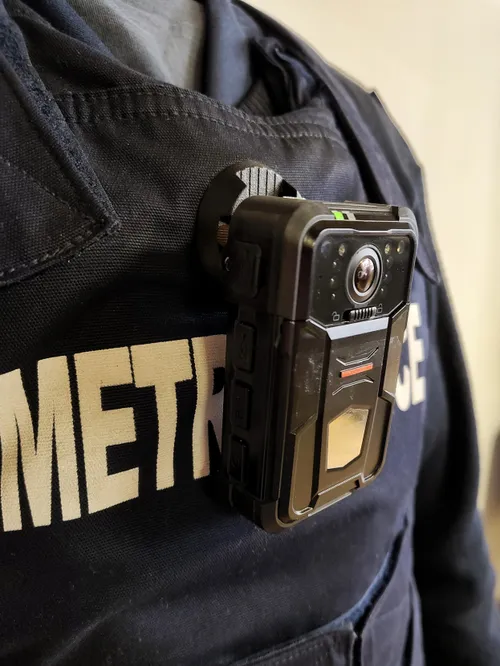
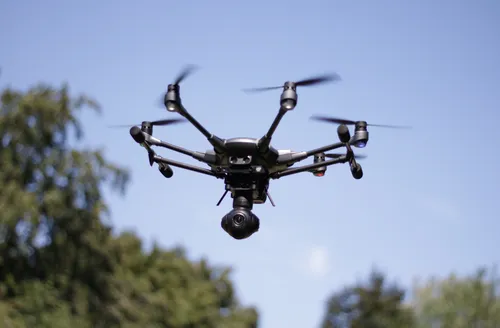
South African Police Service officers may finally receive the body cameras they were promised, after years of missed deadlines and repeated delays to the rollout. According to The South African, the long-awaited initiative is now becoming a reality. The deployment of body-worn cameras is intended to improve accountability and transparency in policing, though previous commitments to equip officers with the devices have repeatedly failed to materialise on schedule.
AI summary. Verify with the original source.
Read full story at The South African ↗
Listen
Unlock audio summaries, audio summaries, AI chat, Wikipedia facts, and ad-free reading.
$3.99 / month · cancel anytime
Go PremiumBackground facts
Unlock wikipedia facts, audio summaries, AI chat, Wikipedia facts, and ad-free reading.
$3.99 / month · cancel anytime
Go PremiumSimilar stories
The South African Police Service plans to procure 450 body-worn cameras and 200 dashboard cameras, but experts and MPs warn that funding, procurement, data management and accountability rules must be resolved before any national rollout. According to IOL, the caution centres on whether the programme has sustainable financing, clear oversight and systems to handle footage, raising questions about timing and implementation readiness.
IOL·September 8, 2026 at 6:30 AM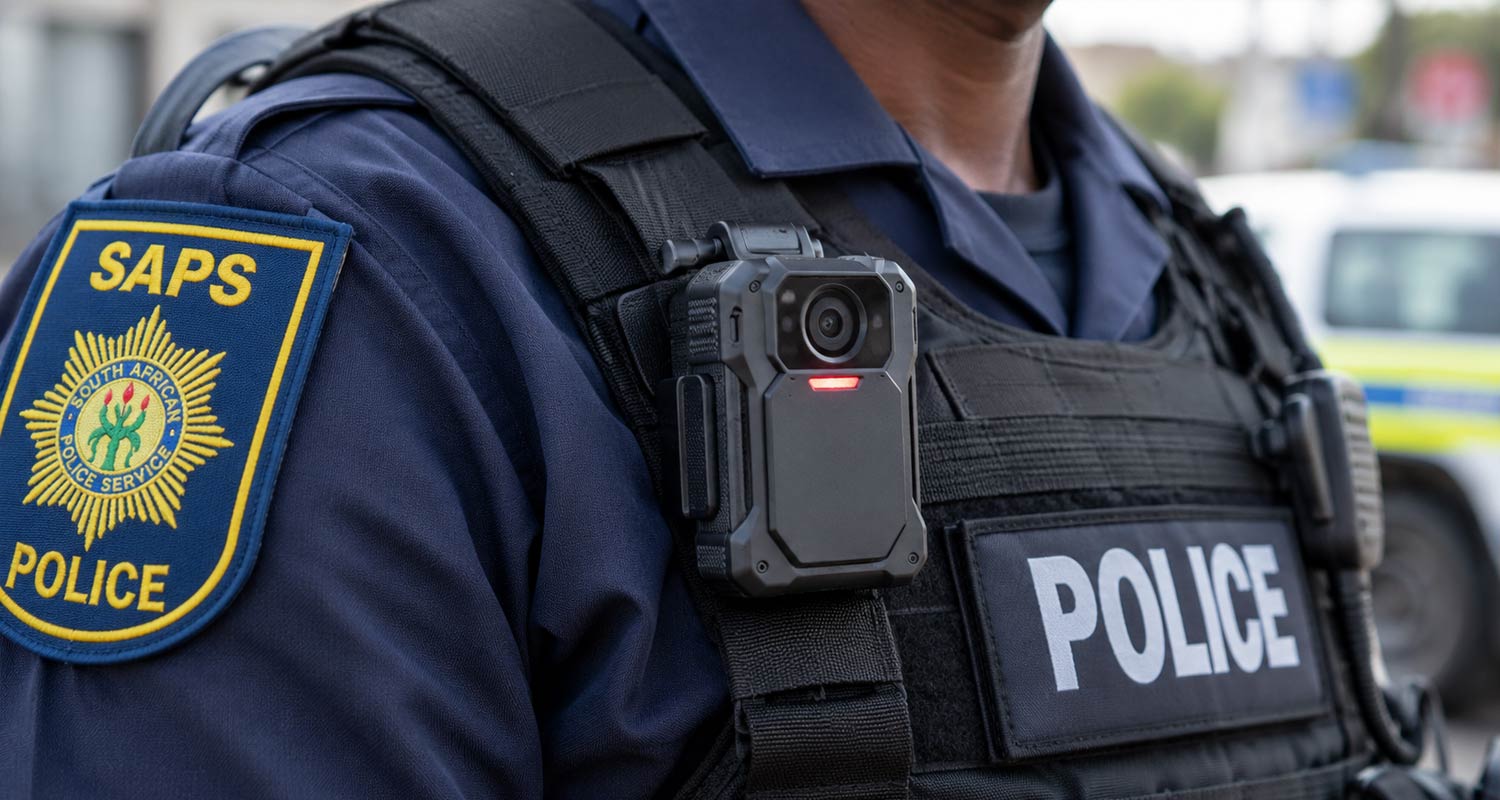
According to TechCentral, South Africa’s State Information Technology Agency issued a tender document for police body cameras that makes facial recognition a mandatory requirement. The proposed equipment would be for the South African Police Service and is described as AI-enabled, but the document sets no quantities, leaving the potential scale and timing of any deployment unclear from the notice.
TechCentral·September 10, 2026 at 12:06 PM
South African police are considering equipping officers with body cameras as part of efforts to build a more accountable police force, according to TimesLIVE. The move towards high-tech policing follows sustained pressure from legislators and watchdog groups calling for greater transparency in policing. Supporters say body-worn cameras could improve oversight of police conduct and strengthen public trust, though the report indicates the plan is still under consideration rather than formally adopted.
TimesLIVE·September 10, 2026 at 3:00 AMIOL argues South Africa’s law-enforcement agencies need secure, interoperable digital systems that can move evidence from frontline detection through investigation, prosecution and court. The piece frames integration as a way to preserve evidential integrity, reduce handover gaps and help cases progress across the criminal-justice chain. It presents the issue as a national requirement rather than a single agency’s technology upgrade.
IOL·September 10, 2026 at 8:37 AMThe South African government is implementing drones, biometrics, and a digital travel system to enhance border security. According to Schreiber, enforcement efforts have increased, resulting in thousands of deportations, with a complete digitization of immigration processes expected by 2026/27.
IOL·July 5, 2026 at 9:00 AM
South Africa's latest crime statistics reveal that rapes have been reported occurring in police cells and graveyards, according to The South African, which describes the detail as buried within the official figures and largely overlooked. The report highlights these locations as among the most disturbing findings in the data, drawing attention to the severity of sexual violence in the country and the circumstances in which some attacks took place, as reflected in the newly released statistics.
The South African·September 9, 2026 at 1:45 PM