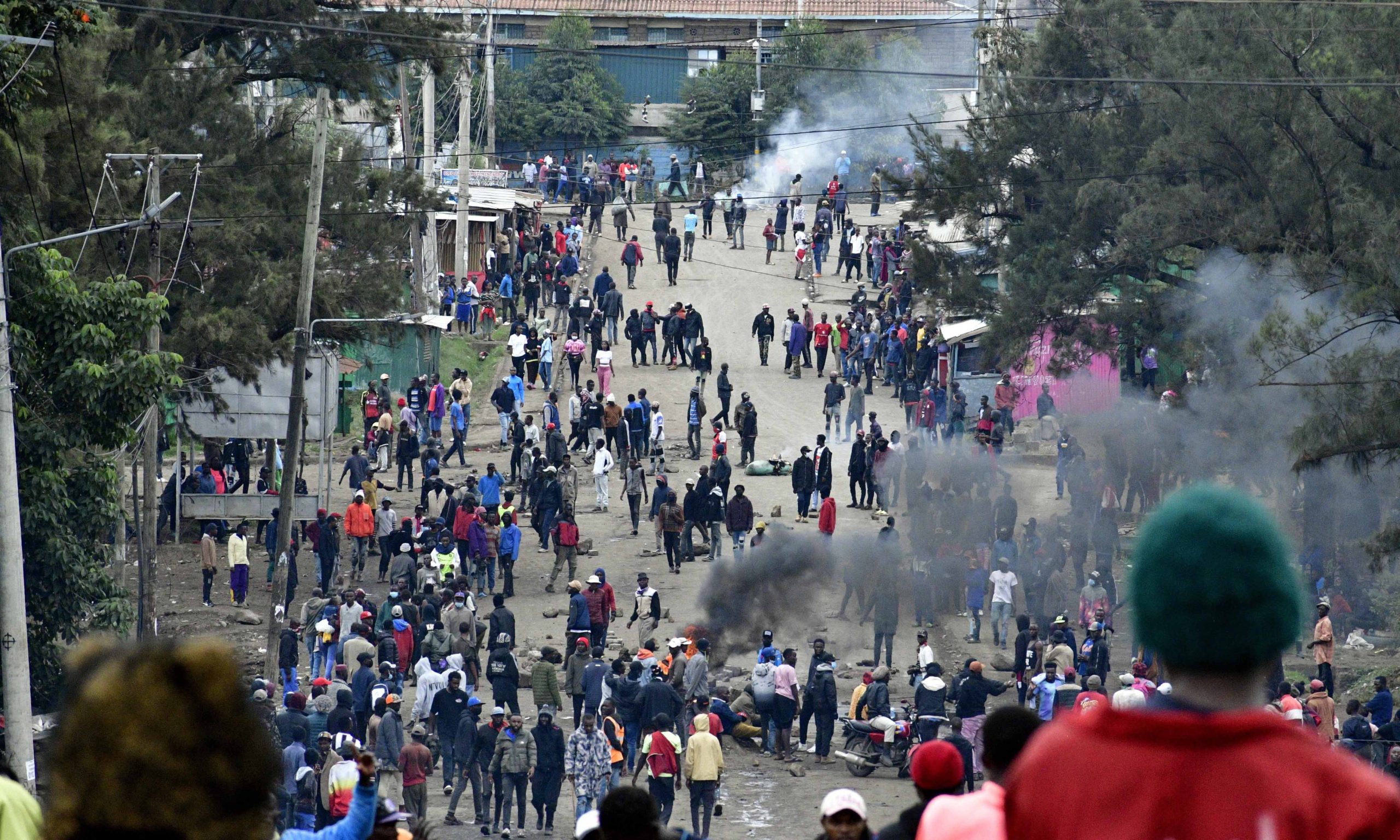
Two years after significant protests by Gen Z that led to the government's withdrawal of the 2024 Finance Bill, the effects are still evident, particularly in taxation, economic policies, and national politics. Gen Z has demonstrated that the youth voice can influence government policies and major national decisions. However, many Kenyans continue to face high living costs and the aftermath of the protests, indicating that their struggles are not over. Concerns within the government were noted recently as youth unrest persists.
AI summary. Verify with the original source.
Read full story at Taifa Leo ↗
Listen
Unlock audio summaries, audio summaries, AI chat, Wikipedia facts, and ad-free reading.
$3.99 / month · cancel anytime
Go PremiumBackground facts
Unlock wikipedia facts, audio summaries, AI chat, Wikipedia facts, and ad-free reading.
$3.99 / month · cancel anytime
Go PremiumSimilar stories

Two years after significant protests by Generation Z against President Ruto's government, thousands of young people in Kenya are preparing to demonstrate once again. The upcoming protests are a response to ongoing issues that have prompted discontent among the youth.
Al Jazeera·June 24, 2026 at 10:41 AM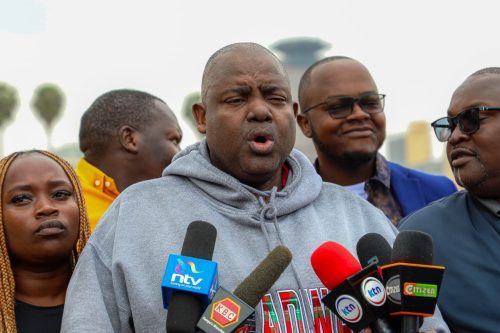
George Aladwa, the ODM Nairobi County Chair and Makadara MP, announced that ODM supporters will not participate in the upcoming Gen Z protests scheduled for Thursday. He emphasized the party's support for President William Ruto's administration following a coalition agreement, stating that protests do not address the challenges facing Kenyans. Aladwa called for peace, job creation, business opportunities, and development instead of chaos and destruction.
Taifa Leo·June 24, 2026 at 4:59 PM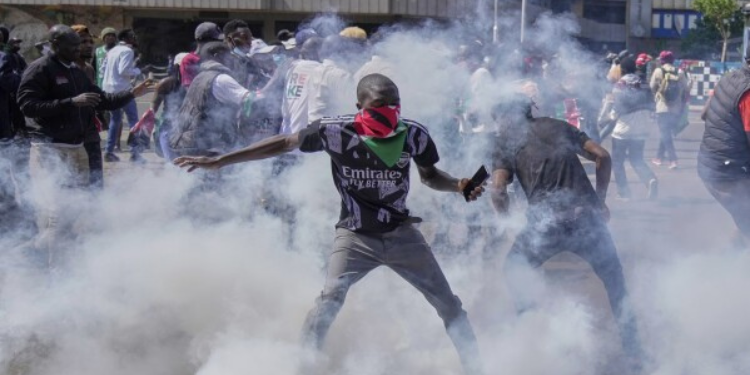
Kenya's Gen Z protests in 2024, which focused on issues such as proposed tax increases, the rising cost of living, unemployment, and corruption, garnered significant global attention. Initially sparked by opposition to the 2024 Finance Bill, the protests evolved into a broader challenge against the political establishment. An economist evaluates the outcomes of these protests, considering what has changed and what remains the same in the political landscape of Kenya.
The Kenya Times·June 24, 2026 at 4:37 PM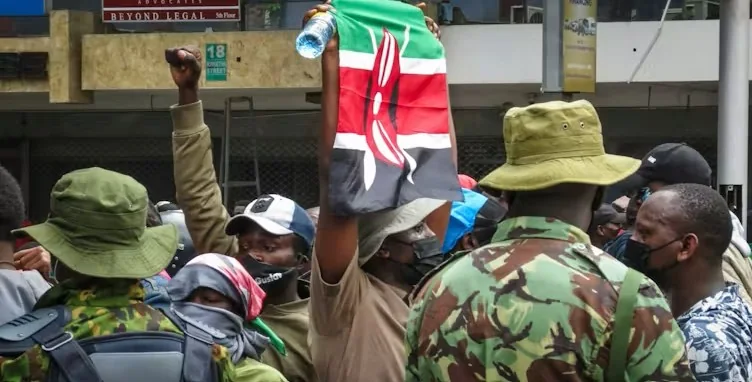
The protests, which originated as a digital campaign, evolved into one of the largest youth-led demonstrations in Kenya's recent history. This movement was characterized by its lack of clear political sponsors, hired crowds, or ethnic divisions, as young Kenyans utilized social media to organize and advocate for their demands.
Eastleigh Voice·June 25, 2026 at 4:55 AM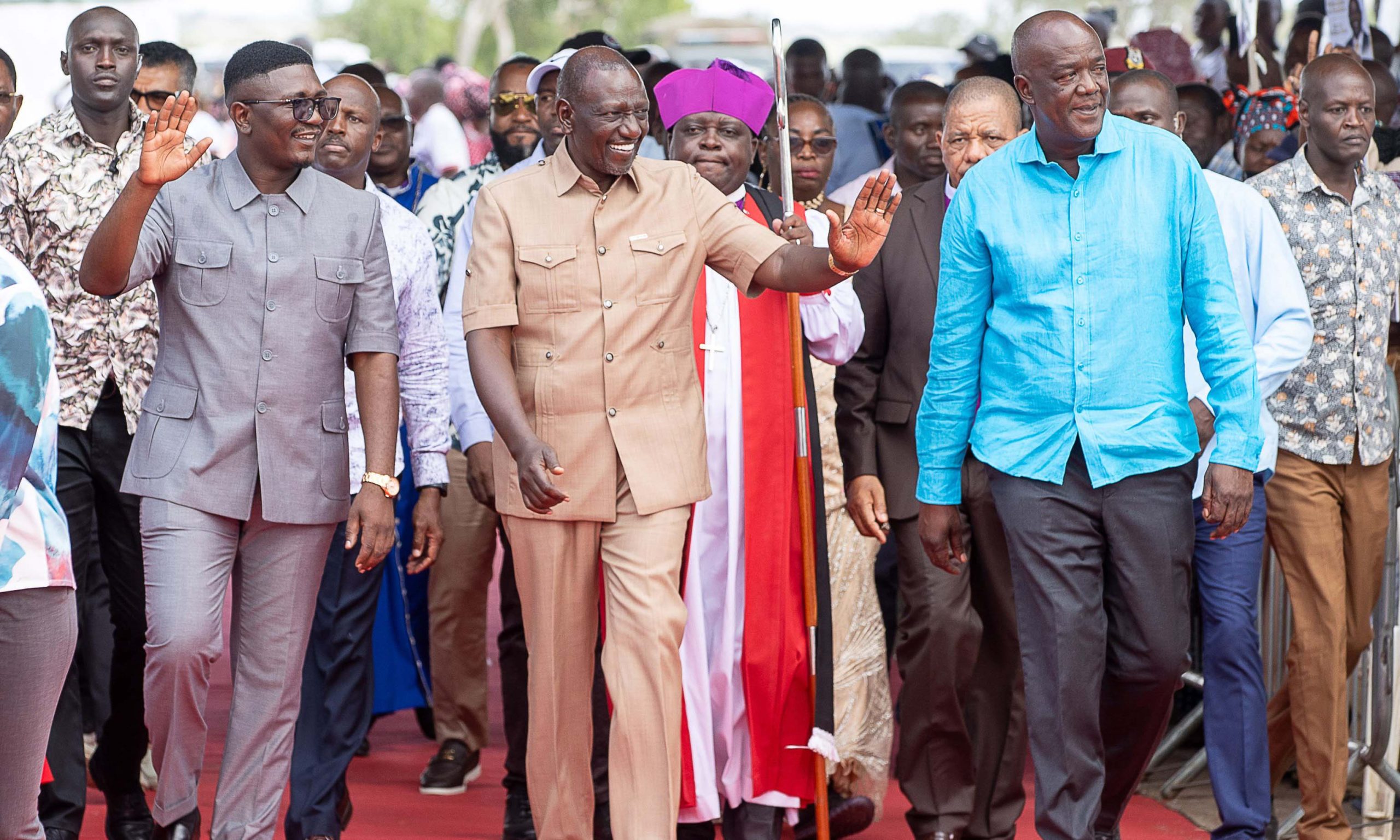
Leaders supporting the inclusive government held a significant political meeting in Eldoret to endorse President William Ruto for the 2027 elections while also laying the groundwork for his successor in 2032. The gathering included MPs from the Kenya Kwanza coalition and some ODM leaders, who urged Kenyans to give Ruto a second and final term to complete his development projects, claiming that opponents lack alternative policies for the country's progress.
Taifa Leo·July 4, 2026 at 4:55 AM
Kenyan leaders from the Coast region, including Sports and Youth Minister Salim Mvurya, Mining Minister Hassan Joho, and Senate Speaker Amason Kingi, have urged residents to support President William Ruto in the upcoming 2027 General Election. They highlighted Ruto's commitment to developing the Coast region despite receiving fewer votes from the area in the 2022 election. During a political meeting in Malindi, they mentioned that Ruto is expected to issue over 200,000 title deeds to address land ownership issues.
Taifa Leo·July 4, 2026 at 6:55 AM