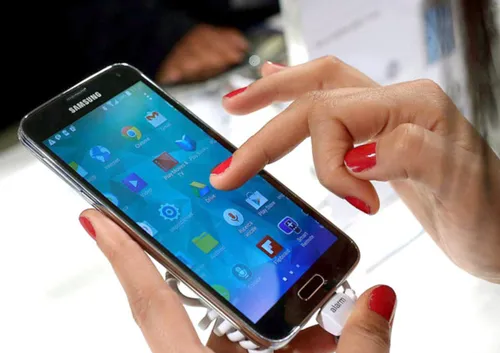
The Kenya Times examines the safety of fingerprint authentication in mobile banking, as Kenyan banks increasingly adopt biometric login features that let customers access accounts without passwords or PINs. Equity Bank, KCB Bank and Standard Chartered Bank Kenya are among the institutions offering these features on their digital platforms. The report draws on insights from a technology executive and digital transformation expert to outline hidden risks associated with using fingerprints on mobile banking apps.
AI summary. Verify with the original source.
Read full story at The Kenya Times ↗
Listen
Unlock audio summaries, audio summaries, AI chat, Wikipedia facts, and ad-free reading.
$3.99 / month · cancel anytime
Go PremiumBackground facts
Unlock wikipedia facts, audio summaries, AI chat, Wikipedia facts, and ad-free reading.
$3.99 / month · cancel anytime
Go PremiumSimilar stories
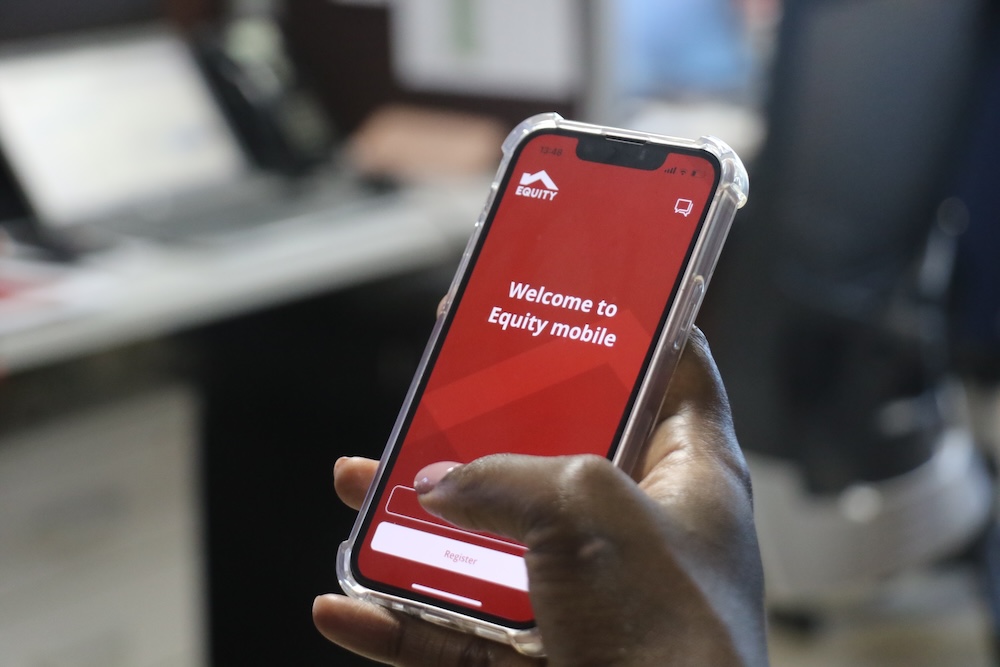
Equity Mobile has introduced QR Code Payments to enhance the efficiency of mobile banking transactions. This new feature allows customers to send, receive, and request money without the need to manually enter phone numbers or account details, thereby reducing transaction time and minimizing errors. The expansion of QR payments aims to simplify the overall user experience in mobile banking.
TechTrends KE·June 25, 2026 at 5:58 AM
Equity Bank has launched a new feature called Secure Float Purchase, aimed at enhancing transaction controls for customers buying float through approved agents. This feature introduces a verification framework that requires customers to pre-authorize trusted agents before transactions can occur. The initiative is a response to increasing risks of mobile money fraud, according to TechTrends KE.
TechTrends KE·June 24, 2026 at 11:59 AM
Digital banking platform PalmPay has launched a new security campaign aimed at strengthening customer confidence, with a focus on fraud awareness and account protection, according to Punch. The initiative comes amid growing concerns about fraud in digital banking and is intended to reassure users about the safety of their accounts. The report provides no specific figures on fraud incidents or details of the campaign's measures.
Punch·September 8, 2026 at 12:00 AM
The Central Bank of Nigeria has warned banks, fintechs and other financial institutions about growing cybersecurity dangers linked to third-party technology risks, according to Tribune Online. The caution highlights concern over external digital services used by regulated firms and the need to manage vulnerabilities that could affect operations, data and customers within Nigeria's financial sector.
Tribune Online (NG)·September 10, 2026 at 8:49 AM
NMB Bank has enhanced access to digital insurance services through the Umebima Mini App, which is integrated into the NMB Mkononi application, allowing customers to easily purchase insurance via their mobile phones. During a press conference at the 50th Dar es Salaam International Trade Fair, known as Sabasaba, Martin Massawe, Head of the Insurance Department at NMB, stated that this service aligns with the fair's theme, "Tanzania's Businesses Going Digital."
Swahili Times·July 4, 2026 at 9:14 AMBanking apps were linked to about 89% of reported digital banking crime cases in South Africa in 2025, accounting for 70.5% of reported client losses, according to the South African Banking Risk Information Centre (SABRIC). The organisation said many scams began with impersonation and social engineering tactics targeting customers, rather than hackers breaching bank systems. The figures highlight the growing threat of digital banking fraud facing South African consumers as criminals increasingly exploit human vulnerabilities instead of technical weaknesses.
IOL·September 9, 2026 at 6:47 AM