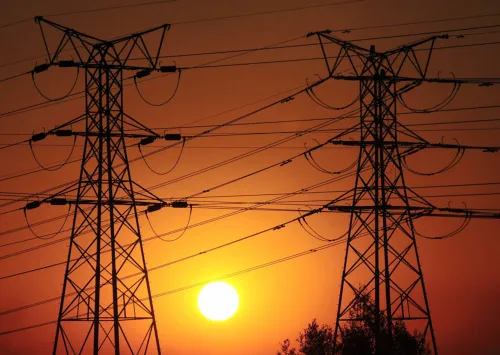
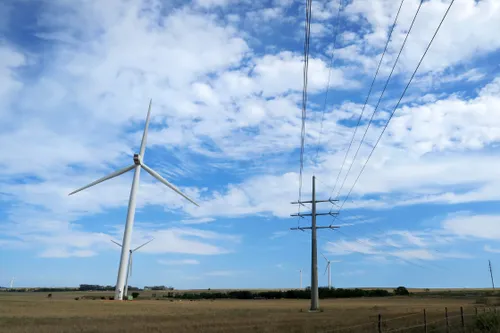
In South Africa, 47% of the population faces energy poverty, spending a significant portion of their income on inadequate electricity. The situation is worsening due to the growth of informal settlements, exacerbated by the Covid-19 pandemic. A study focused on the Qandu Qandu settlement examines the impact of a basic solar grant on providing cheaper electricity, raising questions about the viability of solar mini-grids as a solution for those leaving the traditional electricity network.
AI summary. Verify with the original source.
Read full story at The Conversation Africa ↗
Listen
Unlock audio summaries, audio summaries, AI chat, Wikipedia facts, and ad-free reading.
$3.99 / month · cancel anytime
Go PremiumBackground facts
Unlock wikipedia facts, audio summaries, AI chat, Wikipedia facts, and ad-free reading.
$3.99 / month · cancel anytime
Go PremiumSimilar stories
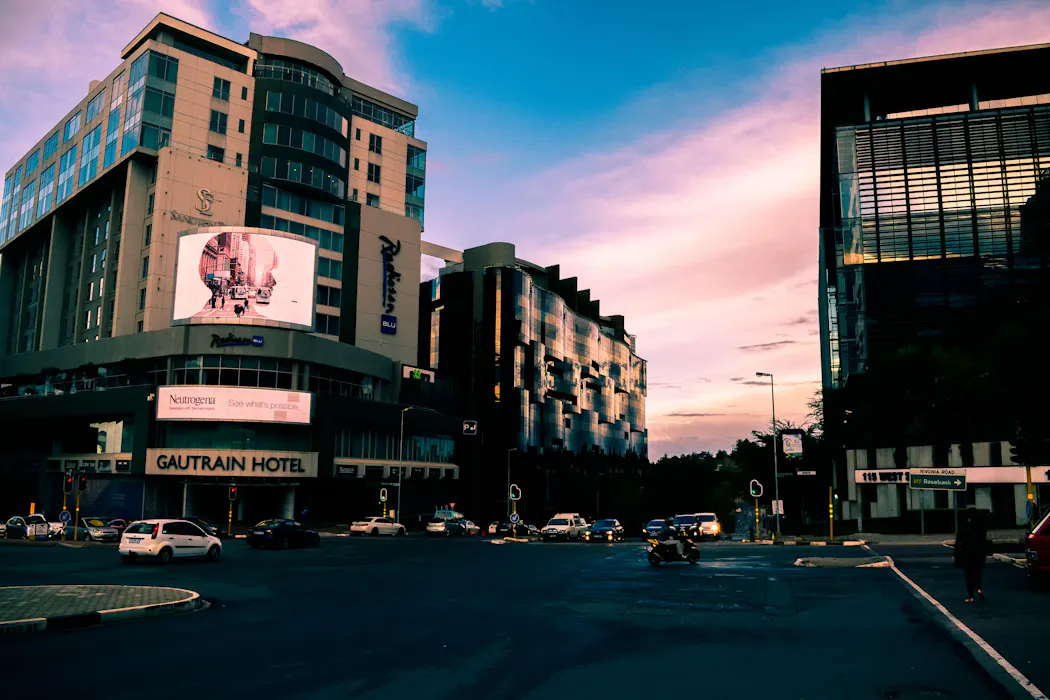
Johannesburg has taken out a significant loan to address its electricity issues, as the city's power infrastructure and billing systems require urgent improvements. A survey indicated that only 38% of residents were satisfied with their electricity services in 2023/2024, a sharp decline from 77% in 2017/18. The auditor general reported that the city allocated only 1% of its operating budget for maintenance in 2024/25, well below the recommended 8%.
The Conversation Africa·June 23, 2026 at 11:26 AM
South Africa is transitioning from coal-fired electricity, which currently accounts for 74% of its power, to renewable sources like wind and solar. This shift is complicated and is being hindered by the need for a different electricity system and new grid management strategies. Additionally, significant changes are required at Eskom, the state-owned utility that has historically dominated the power sector.
The Conversation Africa·June 30, 2026 at 10:56 AMDespite a reduction in load shedding and fewer power cuts in South Africa, electricity bills are increasing. This rise in costs is attributed to significant tariff increases approved by the National Energy Regulator, leading to confusion among consumers about why prices are climbing when the power supply is more stable.
IOL·June 25, 2026 at 3:50 AM
Uganda's 2026/27 national budget allocates Shs2.07 trillion for energy development, which includes funding for the 380-megawatt Kiba hydropower plant, a floating solar facility at Isimba, and 500 megawatts of utility-scale solar in the Elgon and Acholi regions. Additionally, it includes preparatory work for nuclear power at Buyende and emphasizes the need for expanding transmission lines and substations to support these initiatives.
Uganda Standard·June 24, 2026 at 3:20 PM
According to The South African Biz, approximately 1.6 million South Africans are not claiming their Free Basic Electricity allowance. The article outlines the qualifications necessary to access this benefit, which is designed to assist low-income households with their electricity costs.
The South African Biz·June 17, 2026 at 7:04 AMAccording to IOL, gridlock in South Africa is hindering the progress of renewable energy projects, posing a major obstacle to the country's green energy transition. This situation risks delaying the shift to renewable sources and could potentially lead to further electricity shortages and economic challenges.
IOL·June 25, 2026 at 4:57 AM