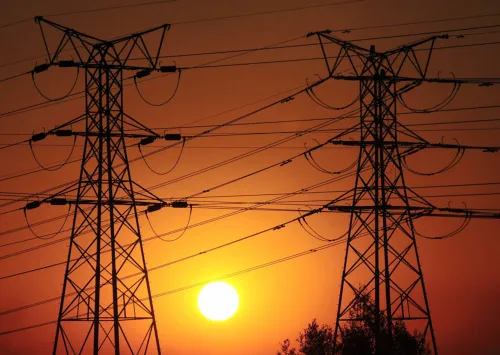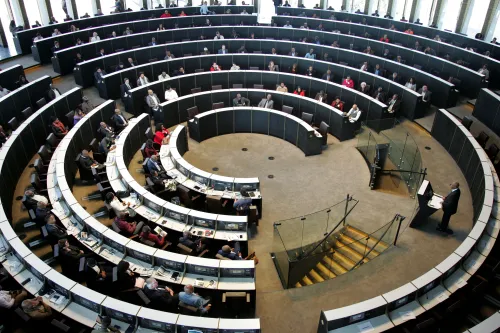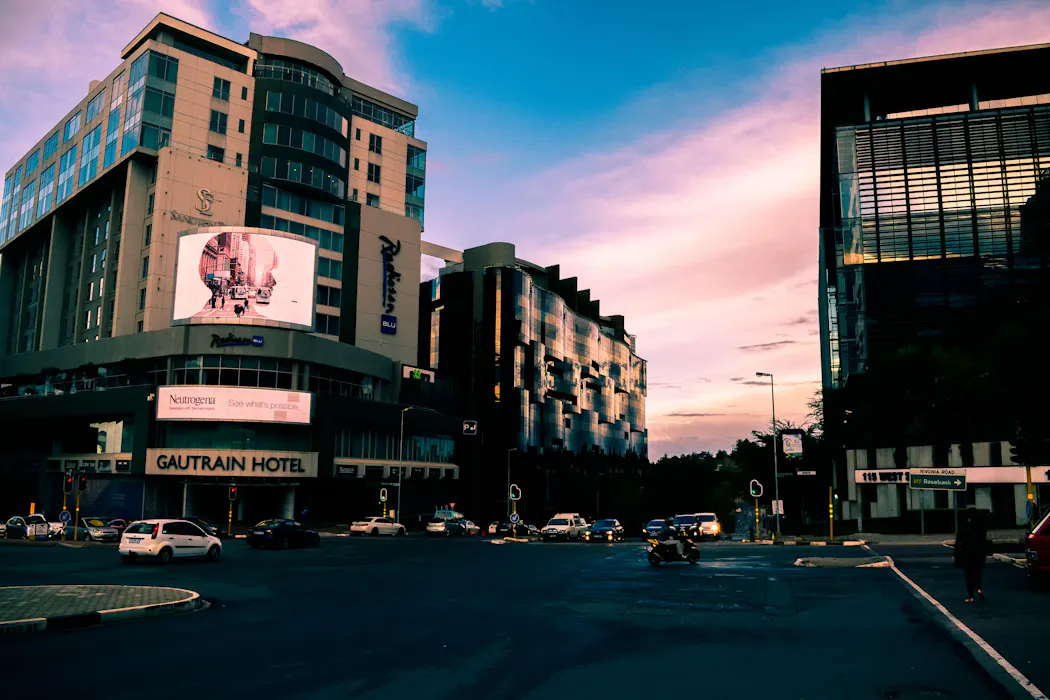
Johannesburg has taken out a significant loan to address its electricity issues, as the city's power infrastructure and billing systems require urgent improvements. A survey indicated that only 38% of residents were satisfied with their electricity services in 2023/2024, a sharp decline from 77% in 2017/18. The auditor general reported that the city allocated only 1% of its operating budget for maintenance in 2024/25, well below the recommended 8%.
AI summary. Verify with the original source.
Read full story at The Conversation Africa ↗
Listen
Unlock audio summaries, audio summaries, AI chat, Wikipedia facts, and ad-free reading.
$3.99 / month · cancel anytime
Go PremiumBackground facts
Unlock wikipedia facts, audio summaries, AI chat, Wikipedia facts, and ad-free reading.
$3.99 / month · cancel anytime
Go PremiumSimilar stories
The City of Johannesburg has secured a loan of R3.8 billion aimed at addressing its electricity issues. The funds will be used to tackle the backlog in maintenance and major capital works, which is expected to take time to resolve.
Moneyweb·June 25, 2026 at 2:06 AM
The Auditor-General has reported that the financial situation in Johannesburg requires immediate attention, noting a general regression in audit outcomes among metropolitan areas.
SABC Business·June 24, 2026 at 3:02 PMDespite a reduction in load shedding and fewer power cuts in South Africa, electricity bills are increasing. This rise in costs is attributed to significant tariff increases approved by the National Energy Regulator, leading to confusion among consumers about why prices are climbing when the power supply is more stable.
IOL·June 25, 2026 at 3:50 AMThe City of Johannesburg has decided to write off approximately R918 million in historical irregular and unauthorized expenditures, which has led to a debate among councillors regarding governance and accountability. Leaders from ActionSA and the DA have raised concerns about financial mismanagement, while the ANC defends the decision as a necessary measure to address past issues.
IOL·June 25, 2026 at 4:00 AM
Moody's has completed its review of Johannesburg's credit rating, which was prompted by delays in the production of audited financial statements. The agency's assessment will influence the city's financial outlook moving forward.
The Citizen (ZA)·July 5, 2026 at 5:58 PM
In South Africa, 47% of the population faces energy poverty, spending a significant portion of their income on inadequate electricity. The situation is worsening due to the growth of informal settlements, exacerbated by the Covid-19 pandemic. A study focused on the Qandu Qandu settlement examines the impact of a basic solar grant on providing cheaper electricity, raising questions about the viability of solar mini-grids as a solution for those leaving the traditional electricity network.
The Conversation Africa·June 24, 2026 at 1:51 PM