
The United Nations has adopted a new approach to world mapping after acknowledging that the Mercator projection, the most widely used map for 450 years, distorts Africa's true size, according to Al Jazeera. The change aims to correct longstanding cartographic bias that has made the continent appear smaller than it actually is, reflecting a broader push for more accurate global representation in education and international institutions.
AI summary. Verify with the original source.
Read full story at Al Jazeera ↗
Listen
Unlock audio summaries, audio summaries, AI chat, Wikipedia facts, and ad-free reading.
$3.99 / month · cancel anytime
Go PremiumBackground facts
Unlock wikipedia facts, audio summaries, AI chat, Wikipedia facts, and ad-free reading.
$3.99 / month · cancel anytime
Go PremiumSimilar stories
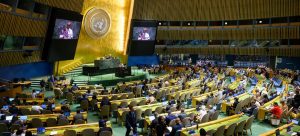
The UN General Assembly voted 164 to one on Friday to endorse an African-led resolution encouraging wider use of equal-area world map projections, according to SoftPower News. The measure promotes projections such as Equal Earth, which are intended to represent continents’ relative sizes more accurately than commonly used maps. The report frames the vote as overwhelming support for showing Africa’s true scale, but does not detail implementation or whether the resolution is binding.
SoftPower News·September 7, 2026 at 6:00 AM
The United Nations General Assembly has adopted an African-led resolution, dubbed 'Correct the Map,' aimed at addressing geographical distortions in commonly used world map projections. The resolution was passed on September 4, with 164 countries voting in favour, one against, and six abstaining. According to Kenya Insights, the move could see countries like Kenya represented more proportionately on world maps, correcting distortions that shrink the apparent size of Africa and other regions near the equator.
Kenya Insights·September 5, 2026 at 9:55 AM
In an opinion piece for ThisDay Live, Kayode Ajulo reflects on the United Nations' recent move towards a more equitable representation of Africa, framing the decision as symbolically significant beyond its immediate subject. According to the author, the shift corrects a long-standing distortion in how the continent's true size and importance have been portrayed, carrying a broader meaning about Africa's place in the world.
ThisDay Live·September 8, 2026 at 8:36 PM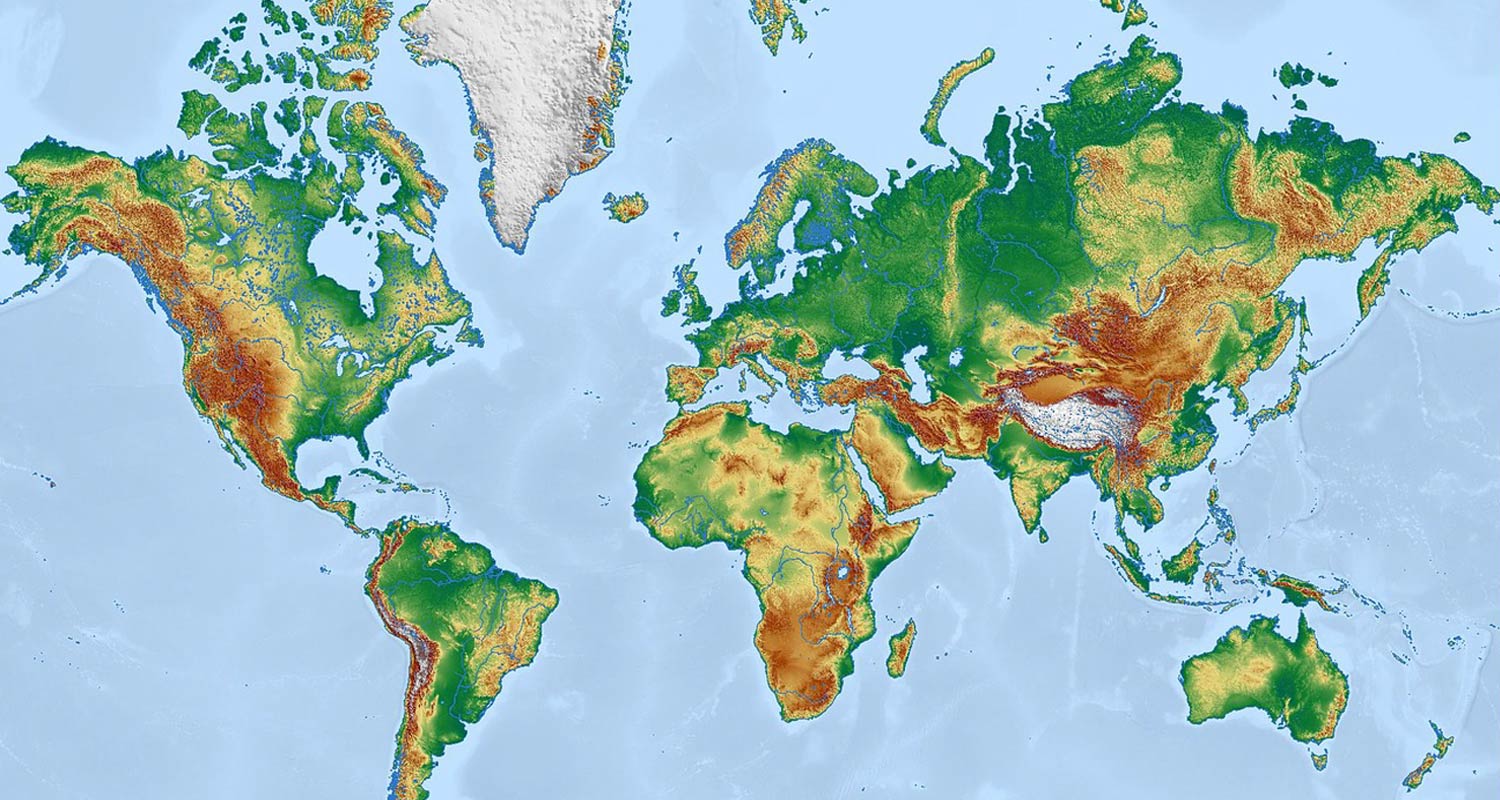
According to TechCentral, the familiar Mercator world map distorts how people picture relative sizes and distances, even though engineers, surveyors and satellite operators long stopped using global Mercator for professional work. The report contrasts that practice with classrooms, where the projection remains common, and frames the gap as a lingering source of geographic misunderstanding rather than a technical standard for modern navigation or mapping.
TechCentral·September 8, 2026 at 8:27 AM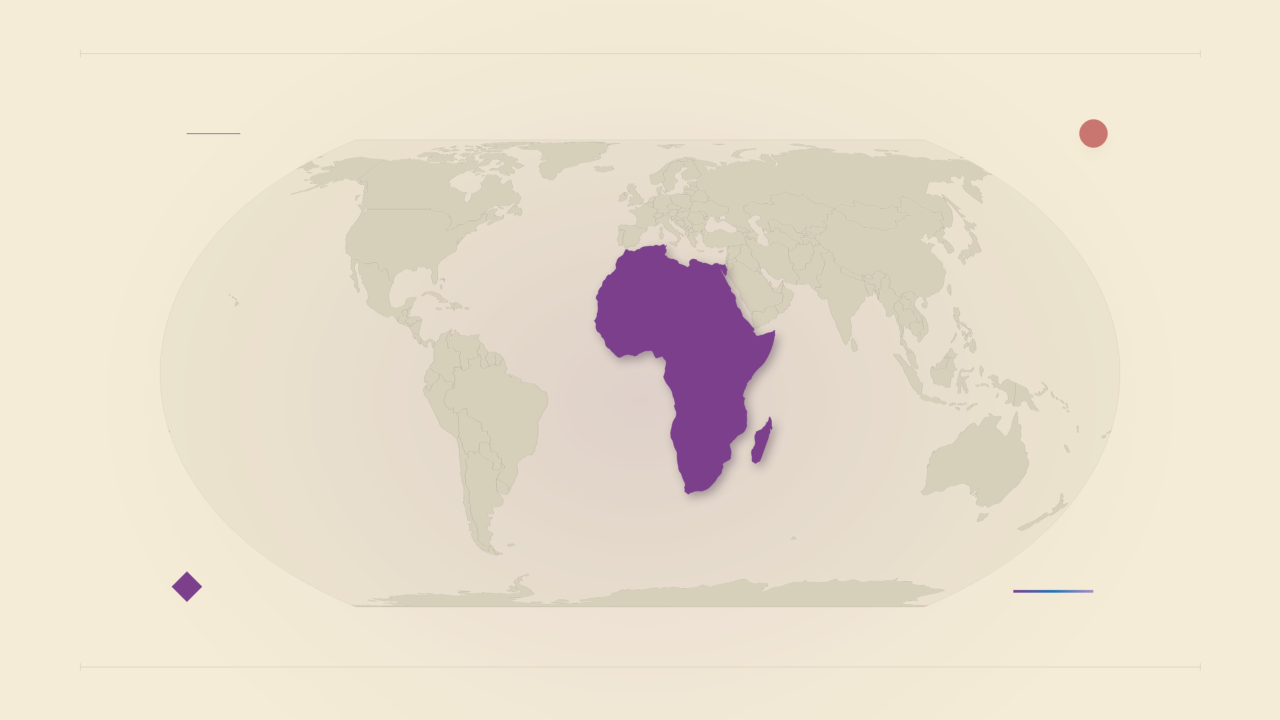
The UN General Assembly voted 164 to 1 in favour of adopting equal-area world maps instead of the long-dominant Mercator projection, with the United States casting the sole opposing vote. The Mercator map, created in the 16th century, has been criticised for distorting the relative sizes of continents, shrinking regions like Africa while enlarging areas near the poles. Despite the UN's decision, Tech-ish reports that Silicon Valley's mapping platforms continue to shape how much of the world views geography.
Tech-ish·September 5, 2026 at 2:14 PM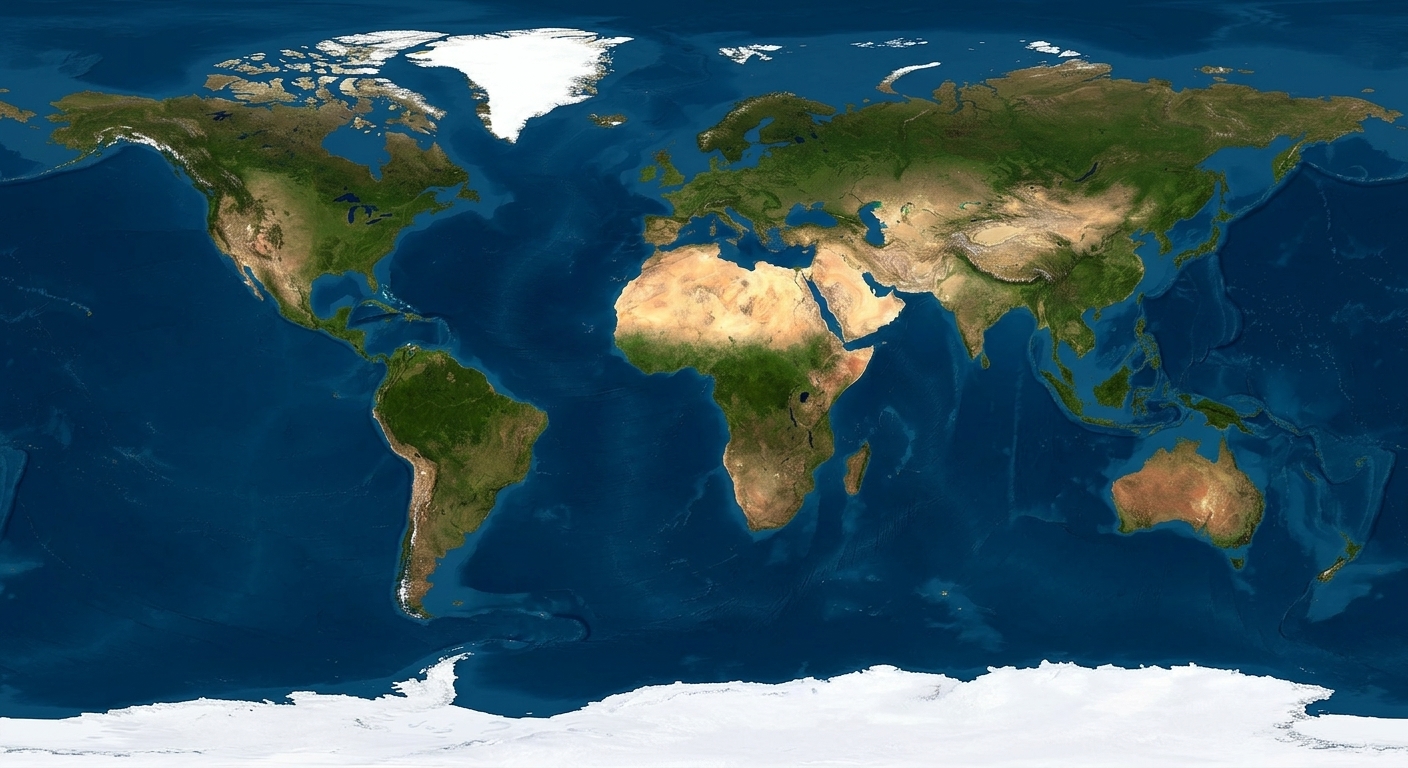
The United Nations General Assembly has adopted a Togo-led resolution titled "Correct the Map," with 164 countries voting in favour, according to BellaNaija. The resolution promotes the use of equal-area map projections, such as the Equal Earth map, as alternatives to the traditional Mercator projection, which is widely criticised for distorting the relative sizes of continents, particularly shrinking Africa. The vote reflects broad international support for addressing these cartographic distortions.
BellaNaija·September 5, 2026 at 7:46 PM