
According to Tanzania Times, global extreme poverty has significantly decreased since 1950, but the rate of progress has slowed to its lowest in decades. Over half of the world's impoverished population resides in countries experiencing rising poverty levels, often attributed to conflict and weak governance. This situation poses a risk of reversing years of advancements in poverty reduction, potentially leading to an increase in global poverty by 2050.
AI summary. Verify with the original source.
Read full story at Tanzania Times ↗
Listen
Unlock audio summaries, audio summaries, AI chat, Wikipedia facts, and ad-free reading.
$3.99 / month · cancel anytime
Go PremiumBackground facts
Unlock wikipedia facts, audio summaries, AI chat, Wikipedia facts, and ad-free reading.
$3.99 / month · cancel anytime
Go PremiumSimilar stories

Africa is experiencing a significant decline in foreign aid, with official development assistance dropping by 23.1% in 2025, the largest annual decrease on record, and a further projected decline of 5.8% in 2026. This decline is compounded by rising debt, climate pressures, and a weakening global order. The UN Trade and Development has noted that debt servicing is hindering investment in essential sectors like education and health, presenting both a crisis and an opportunity for financial discipline, according to The Conversation Africa.
The Conversation Africa·June 21, 2026 at 5:04 AM
The World Bank has indicated that the economic recovery in Sub-Saharan Africa is losing momentum, projecting a growth rate of 4.1 percent for 2026, the same as in 2025. This figure represents a downward revision of 0.3 percentage points from a previous forecast of 4.4 percent, as noted in the latest Africa Economic Update released in April.
TechTrends KE·June 24, 2026 at 4:20 PM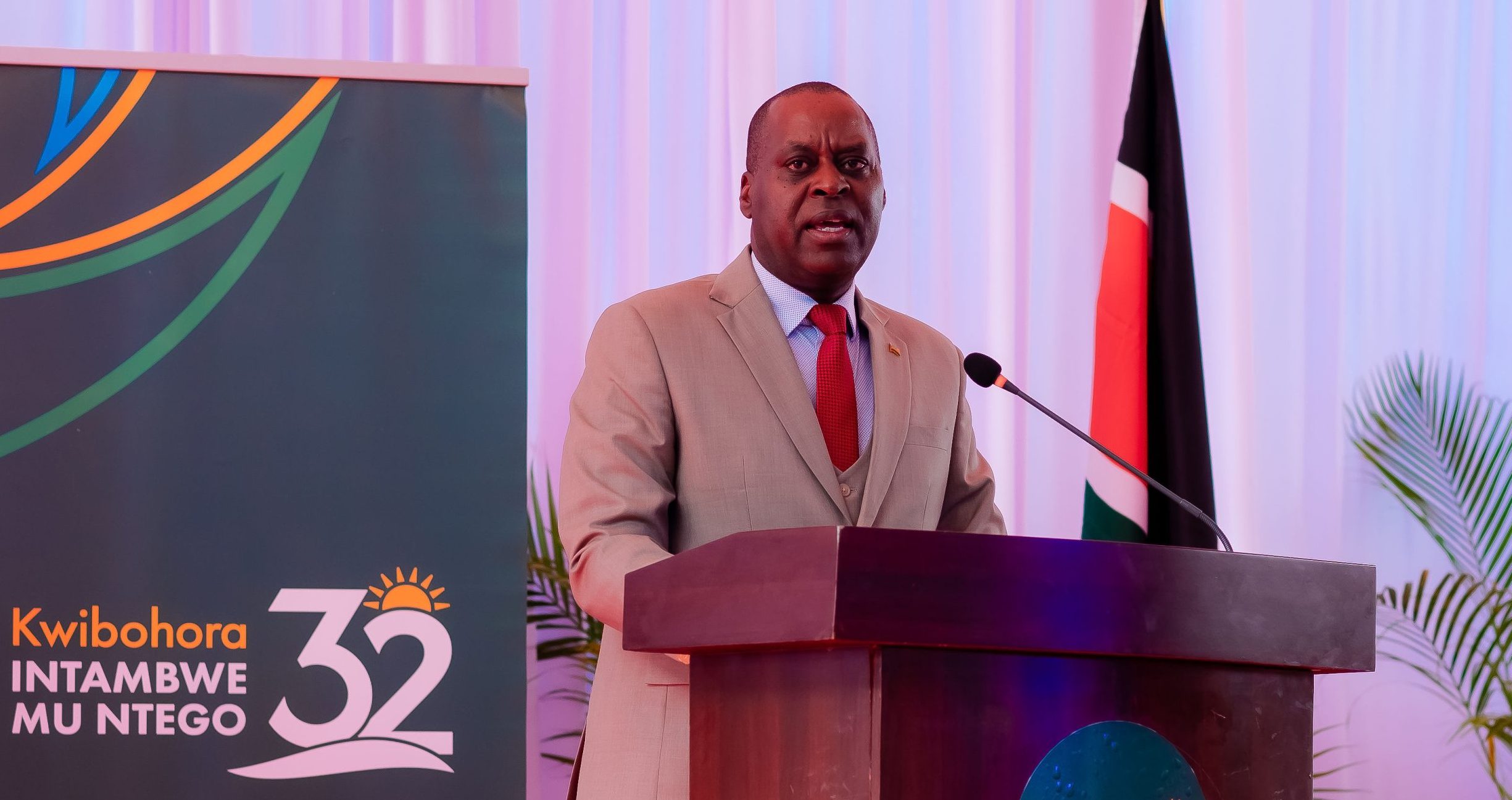
Rwandan Ambassador to Kenya, Ernest Rwamucyo, has expressed concerns about the ongoing threat of genocide ideology in the Great Lakes region, particularly highlighting eastern Democratic Republic of Congo as a hotspot for ethnic hatred and extremist rhetoric. His remarks were made during a reception in Nairobi celebrating the 32nd anniversary of Rwanda’s Liberation Day.
KBC·July 5, 2026 at 8:45 AM
The World Bank has reported that nearly half of developing economies are struggling to achieve economic growth, despite the global economy moving past the immediate disruptions caused by the pandemic. The findings were published in the World Bank's June report, highlighting ongoing challenges for these nations in their recovery efforts.
Business Times (UG)·June 23, 2026 at 11:10 AM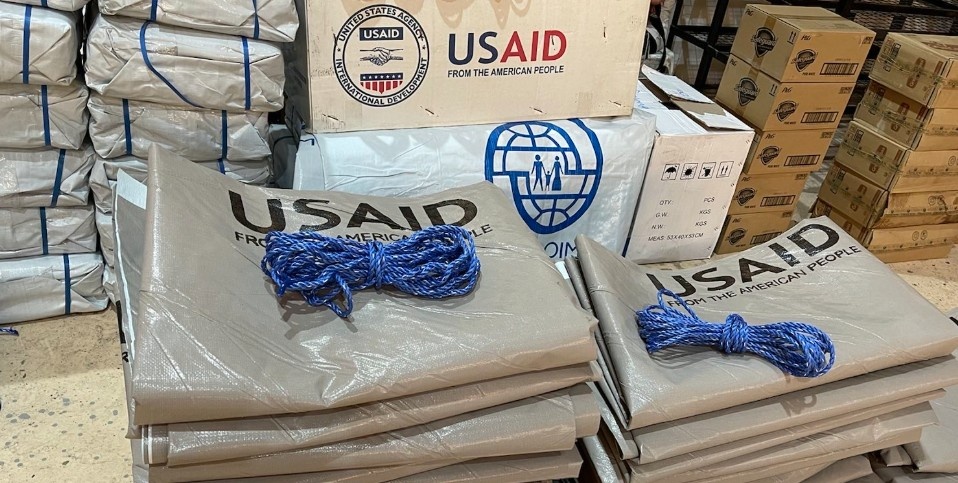
Global humanitarian aid has reached its lowest level in a decade, with a reduction of over $8 billion in 2025. This decline is primarily attributed to significant cuts from the United States after the closure of the USAID programme, as well as broader reductions in development spending by Western donors, including Germany, according to Eastleigh Voice.
Eastleigh Voice·June 24, 2026 at 4:46 PM
In Tanzania, climate change significantly impacts the daily lives of millions of women and girls, affecting their access to water, food, and income. This reality highlights the need for empowerment and community strengthening to better cope with climate shocks, moving beyond statistical discussions to address the tangible effects on vulnerable populations, according to Daily News.
Daily News (TZ)·June 24, 2026 at 1:56 PM