
The World Bank has indicated that the economic recovery in Sub-Saharan Africa is losing momentum, projecting a growth rate of 4.1 percent for 2026, the same as in 2025. This figure represents a downward revision of 0.3 percentage points from a previous forecast of 4.4 percent, as noted in the latest Africa Economic Update released in April.
AI summary. Verify with the original source.
Read full story at TechTrends KE ↗
Listen
Unlock audio summaries, audio summaries, AI chat, Wikipedia facts, and ad-free reading.
$3.99 / month · cancel anytime
Go PremiumBackground facts
Unlock wikipedia facts, audio summaries, AI chat, Wikipedia facts, and ad-free reading.
$3.99 / month · cancel anytime
Go PremiumSimilar stories

Africa's banking sector is approaching the latter half of 2026 with a cautiously optimistic outlook, as it faces macroeconomic pressures such as persistent inflation, high interest rates, and currency volatility. Industry analysts note that while the sector appears resilient, these challenges complicate financial planning for banks across the continent. In response, many banks are increasingly focusing on digital transformation to adapt to the changing economic landscape.
TechTrends KE·June 24, 2026 at 4:08 PM
The World Bank has reported that nearly half of developing economies are struggling to achieve economic growth, despite the global economy moving past the immediate disruptions caused by the pandemic. The findings were published in the World Bank's June report, highlighting ongoing challenges for these nations in their recovery efforts.
Business Times (UG)·June 23, 2026 at 11:10 AM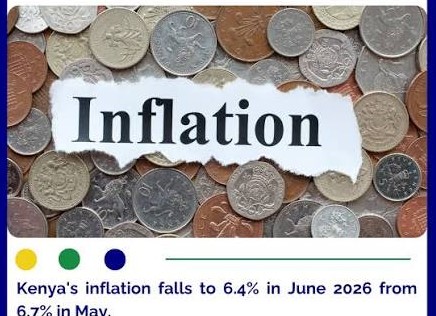
Kenya's inflation rate has decreased to 6.4%, indicating a moderation in price pressures after several months of high inflation. This change is expected to provide some relief to households, businesses, and investors, although the cost of living remains elevated. The latest economic indicators suggest a gradual stabilization of inflation, which could impact consumer spending, business planning, borrowing costs, and investment decisions, according to Sharp Daily.
Sharp Daily·July 3, 2026 at 2:17 PM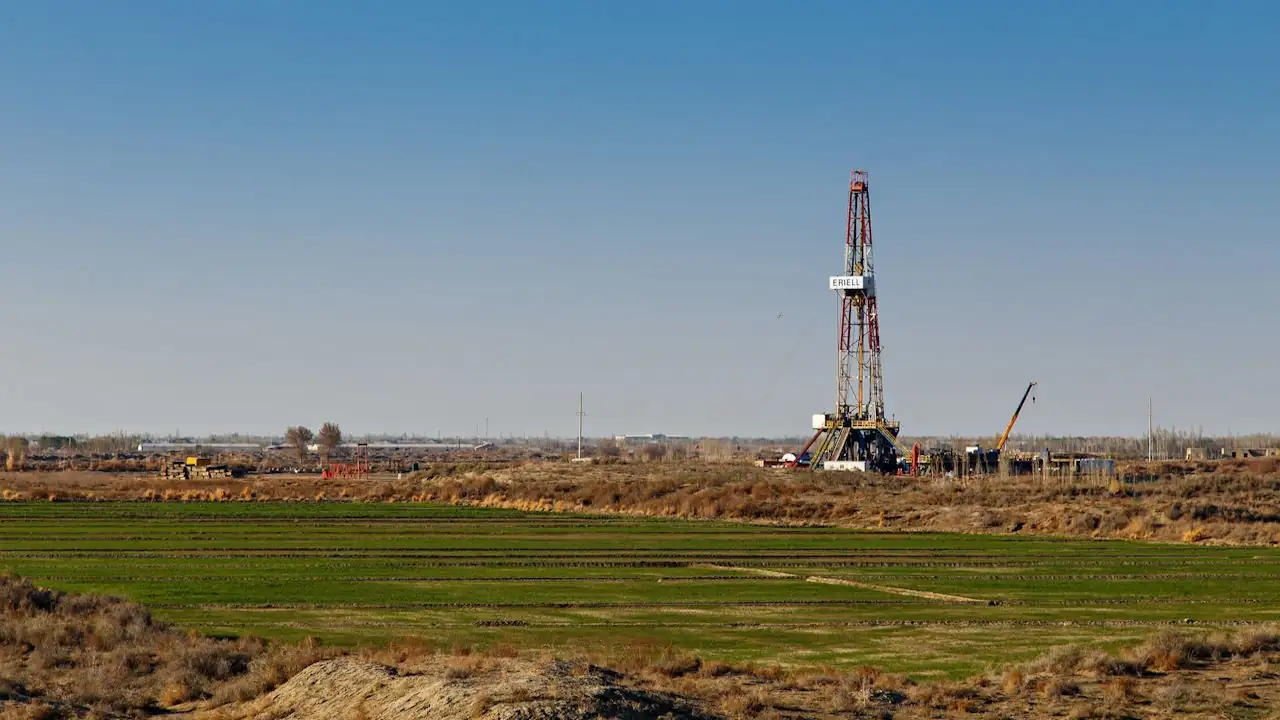
According to the IMF's latest Regional Economic Outlook, Uganda is projected to be one of the fastest-growing economies globally over the next two years, despite a challenging environment for sub-Saharan Africa due to external shocks. The report highlights that while the region faces higher energy costs and tighter financial conditions, Uganda's growth is expected to accelerate significantly, driven by its oil sector.
Uganda Business News·April 16, 2026 at 1:46 PM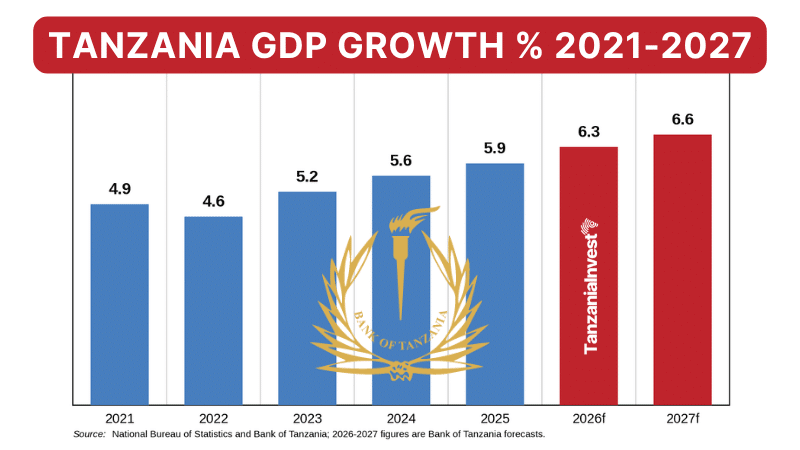
The Central Bank of Tanzania has projected a GDP growth of 6.3% for 2026 and 6.6% for 2027, driven by public and private investments as well as exports. According to its latest Monetary Policy Statement for 2026/27, key sectors contributing to this growth include agriculture, mining, tourism, and construction. Inflation is expected to rise but will remain within the target range of 3-5%.
TanzaniaInvest·June 18, 2026 at 2:26 AM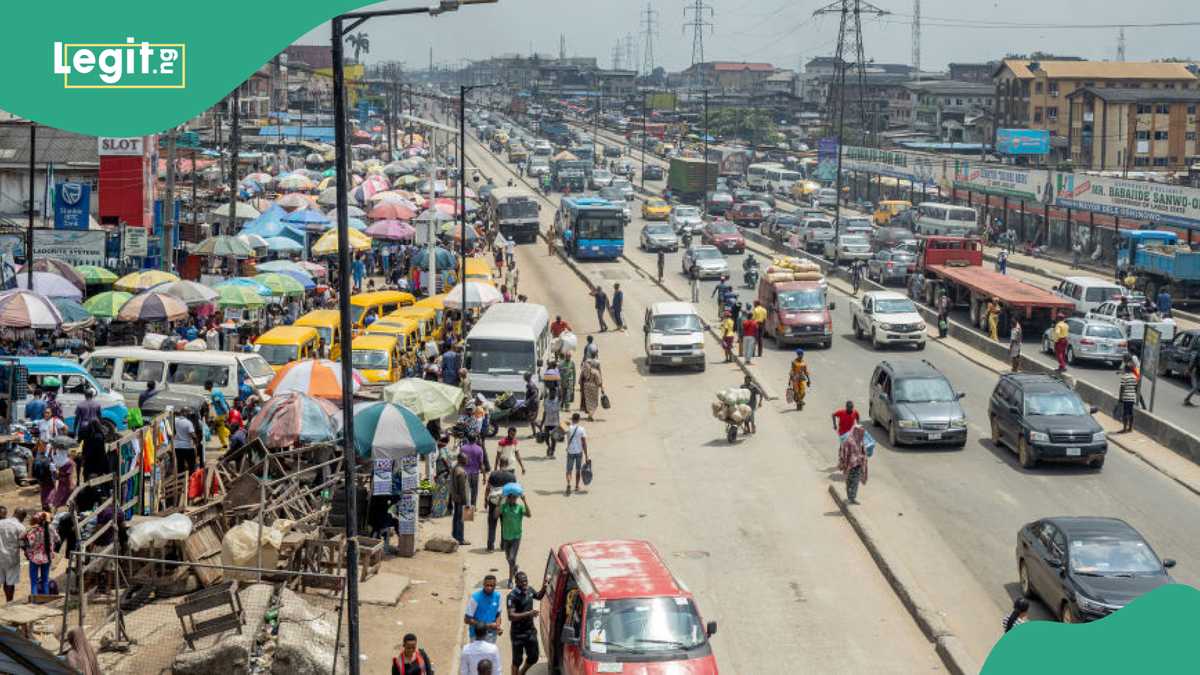
According to the CPPE, the Nigerian economy is expected to experience stronger growth in the second half of 2026. However, the organization cautions that increasing political activities related to the 2027 elections may pose risks to inflation, necessary reforms, and overall economic stability.
Legit.ng·July 5, 2026 at 2:22 PM