
Solar power is becoming increasingly popular among Kenyan households seeking cheaper and more reliable electricity, according to Soko Directory. The report highlights the experience of David Njugi, who initially planned to connect his new home to the national electricity grid before considering solar as an alternative. The trend reflects growing interest in off-grid energy solutions as families look for affordable and dependable power sources in Kenya.
AI summary. Verify with the original source.
Read full story at Soko Directory ↗
Listen
Unlock audio summaries, audio summaries, AI chat, Wikipedia facts, and ad-free reading.
$3.99 / month · cancel anytime
Go PremiumBackground facts
Unlock wikipedia facts, audio summaries, AI chat, Wikipedia facts, and ad-free reading.
$3.99 / month · cancel anytime
Go PremiumSimilar stories
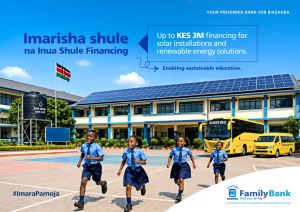
According to Soko Directory, solar power at a Kenyan school can mean more than lower electricity costs: it can also mean steadier learning and fewer interruptions. The outlet frames sunlight as a practical way to help pay school bills while supporting classroom continuity, presenting energy reliability as an education issue as well as a cost measure.
Soko Directory·September 9, 2026 at 10:26 AM
A TechCabal analysis argues that Africa's last-mile electricity access problem cannot be solved by markets alone, citing Kenya as an example. Despite years of government efforts to extend the national grid through the Last Mile Connectivity and rural electrification programmes, significant gaps remain. According to the article, Gitonga notes that some populations have lifestyles that make conventional electrical infrastructure particularly difficult to implement, suggesting alternative approaches beyond market-driven solutions are needed to achieve universal electricity access.
TechCabal·September 8, 2026 at 1:42 PM
In South Africa, 47% of the population faces energy poverty, spending a significant portion of their income on inadequate electricity. The situation is worsening due to the growth of informal settlements, exacerbated by the Covid-19 pandemic. A study focused on the Qandu Qandu settlement examines the impact of a basic solar grant on providing cheaper electricity, raising questions about the viability of solar mini-grids as a solution for those leaving the traditional electricity network.
The Conversation Africa·June 24, 2026 at 1:51 PMThe government has allocated Sh1.8 billion for the 2026/27 Financial Year to enhance electricity connectivity in Kericho County, benefiting approximately 17,500 households through the rural electrification programme. This announcement was made during the launch of the Kenya Power Last Mile Connectivity Programme (LMCP) projects in Soin/Sigowet Constituency.
Kenya News Agency·July 4, 2026 at 5:14 PM
Growing numbers of Kenyans are switching from petrol and diesel-powered generators to cooking gas-powered models as households and businesses seek to reduce fuel costs amid rising energy expenses, according to The Kenya Times. Generator dealers report increased demand for dual-fuel generators and LPG conversion kits as consumers look for cheaper backup power alternatives. The trend reflects broader pressure from high energy prices pushing Kenyans toward more affordable options for electricity generation during outages.
The Kenya Times·September 7, 2026 at 6:12 AM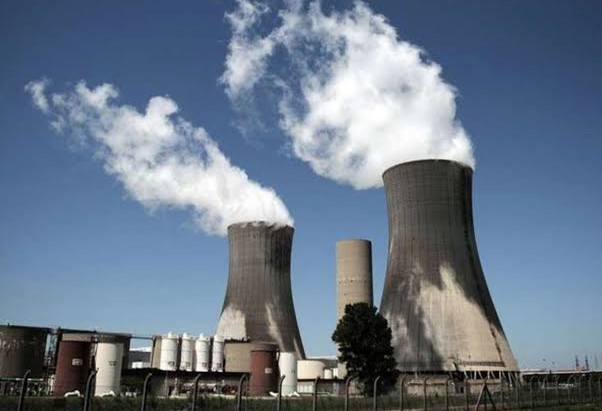
Kenya is set to transform its energy sector with the planned development of its first nuclear power plant, which is part of the country's long-term electricity generation strategy. The project aims to enhance energy security, support industrial growth, and improve the reliability of power supply, according to Sharp Daily.
Sharp Daily·July 5, 2026 at 12:08 PM