
Nigeria's digital lending industry is shifting as lenders reduce unsecured instant loans and focus on borrowers with verifiable income, established credit histories and predictable cash flows, according to Nairametrics. The change follows rules introduced by the Federal Competition and Consumer Protection Commission (FCCPC), which are pushing digital lenders toward safer lending practices and away from high-risk instant loan products that previously dominated the market.
AI summary. Verify with the original source.
Read full story at Nairametrics ↗
Listen
Unlock audio summaries, audio summaries, AI chat, Wikipedia facts, and ad-free reading.
$3.99 / month · cancel anytime
Go PremiumBackground facts
Unlock wikipedia facts, audio summaries, AI chat, Wikipedia facts, and ad-free reading.
$3.99 / month · cancel anytime
Go PremiumSimilar stories
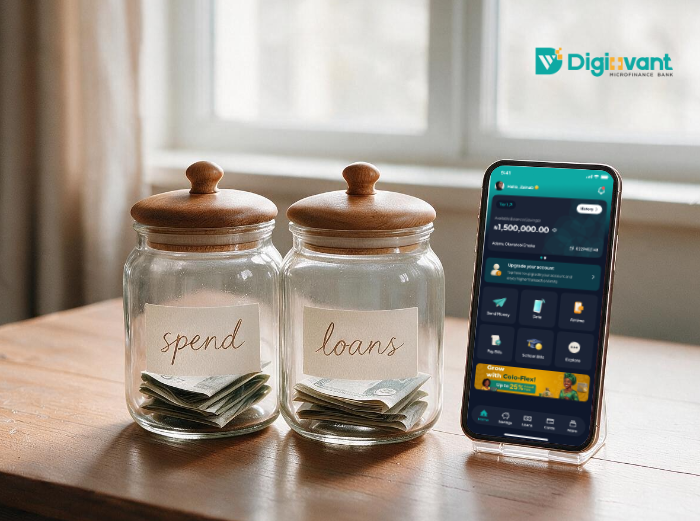
According to Vanguard, Nigerians are increasingly adopting digital financial platforms amid inflation that erodes purchasing power, the naira's weakness against foreign currencies, and memories of the 2023 cash scarcity. The article highlights DigitvantPay as a notable platform in this space, presenting it as part of a broader shift in how Nigerians save, spend, and borrow money through digital services offering convenience and reliability.
Vanguard (NG)·September 9, 2026 at 2:14 PM
The African fintech industry is transitioning from short-term consumer lending to financing small businesses, driven by increasing regulatory scrutiny and government initiatives aimed at promoting credit in productive sectors. Analysts suggest that this trend will enhance access to finance for Micro, Small and Medium Enterprises (MSMEs), reflecting a significant shift in lending practices within the sector, according to Daily Trust.
Daily Trust·July 4, 2026 at 11:20 PM
Nigeria's non-performing loans (NPLs) ratio increased to 9.85% in February 2026, nearly double the acceptable threshold of 5%. This rise followed the Central Bank of Nigeria's (CBN) withdrawal of regulatory forbearance, which led lenders to reclassify previously deferred exposures. The information was detailed in the CBN's February 2026 Economic Report released on Wednesday.
Leadership (NG)·June 25, 2026 at 5:42 AM
A policy brief has warned that N355.9 billion in student loans issued by the Nigerian Education Loan Fund (NELFUND) faces significant recovery risk. According to the brief, integrating loan repayment systems with Nigeria Revenue Service income data is crucial to ensuring the scheme's long-term sustainability and improving the tracking of beneficiaries' earnings for repayment purposes.
Punch·September 8, 2026 at 8:42 AM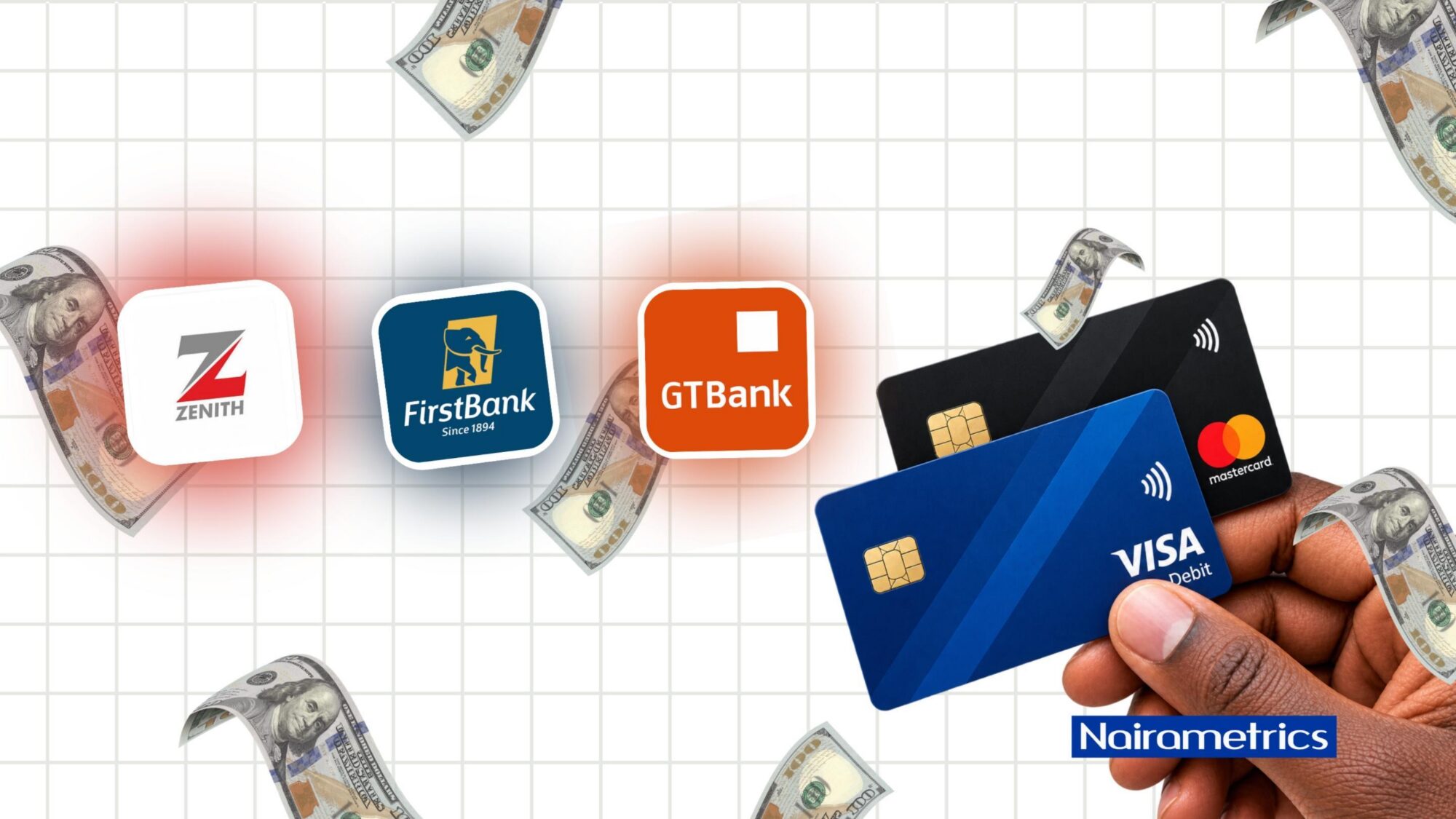
Several major Nigerian banks, including GTCO, FirstBank and Zenith Bank, have raised the dollar spending limits on customers' international transactions, according to Nairametrics. The move follows years of tight restrictions on dollar-denominated payments imposed because of foreign exchange shortages. The report says the easing of FX scarcity has allowed lenders to expand customers' access to international payments once again.
Nairametrics·September 7, 2026 at 1:07 PM
Experts warn that Nigeria's cybersecurity defense is increasingly compromised due to the migration of skilled professionals abroad. This brain drain is weakening the country's ability to protect its expanding digital economy from a rise in cyberattacks targeting banks, government institutions, and private businesses. Despite a growing interest among young Nigerians in cybersecurity careers, the exodus of talent poses significant challenges to national security, according to industry analysts.
Leadership (NG)·July 5, 2026 at 6:07 AM