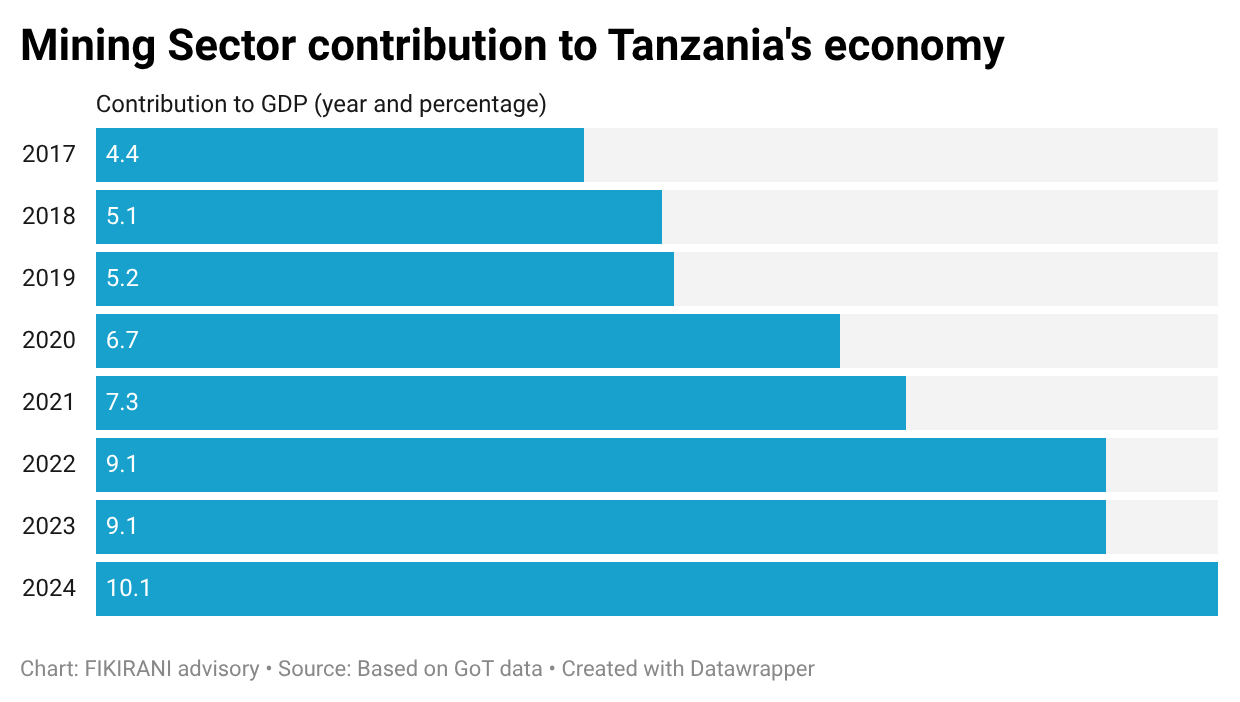
According to The Chanzo, Tanzania has been criticized for concealing mining contracts and diluting standards in its extractives sector, despite being part of the Extractive Industries Transparency Initiative (EITI) for a decade. This raises questions about who benefits from the lack of transparency in the industry.
AI summary. Verify with the original source.
Read full story at The Chanzo ↗
Listen
Unlock audio summaries, audio summaries, AI chat, Wikipedia facts, and ad-free reading.
$3.99 / month · cancel anytime
Go PremiumBackground facts
Unlock wikipedia facts, audio summaries, AI chat, Wikipedia facts, and ad-free reading.
$3.99 / month · cancel anytime
Go PremiumSimilar stories

According to Daily News, global investors are increasingly choosing Tanzania as a strategic investment destination due to its political stability, access to regional markets, abundant resources, reliable infrastructure, and a supportive government. These factors are seen as more significant than just tax incentives, making Tanzania an attractive option for international manufacturing companies.
Daily News (TZ)·June 25, 2026 at 6:50 AM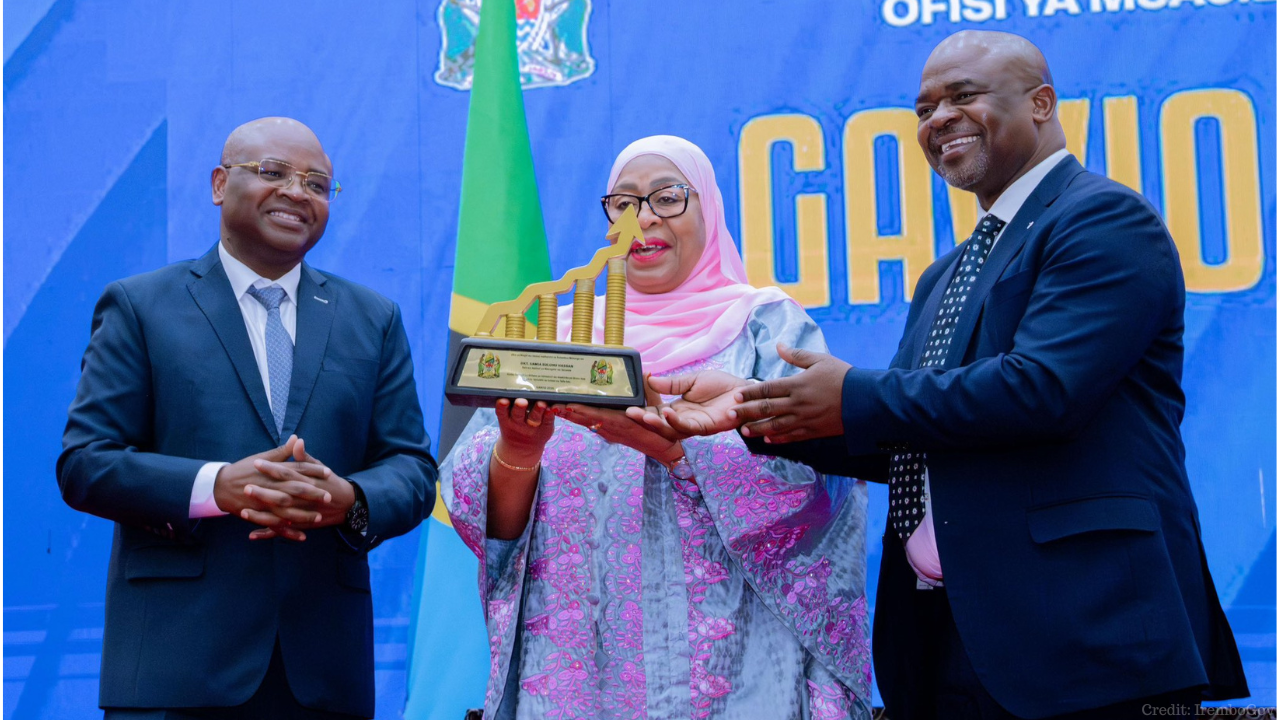
Tanzania's state-owned enterprises have reported a record dividend of Sh1.3 trillion, marking a 30 percent increase in national dividends. This surge is attributed to efficiency reforms that have transformed these state firms from being reliant on subsidies to becoming significant revenue generators, according to The Chanzo.
The Chanzo·July 1, 2026 at 6:49 AM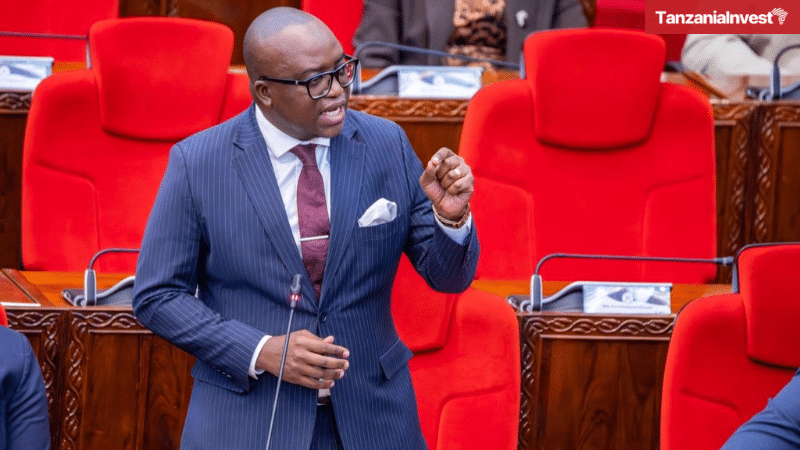
Tanzania has approved the allocation of 10% of mining sector revenue to finance advanced mineral exploration activities. This funding aims to support high-resolution surveys, identify new mineral-rich areas, attract investment, and enhance the sector's contribution to economic growth.
TanzaniaInvest·June 24, 2026 at 2:00 AM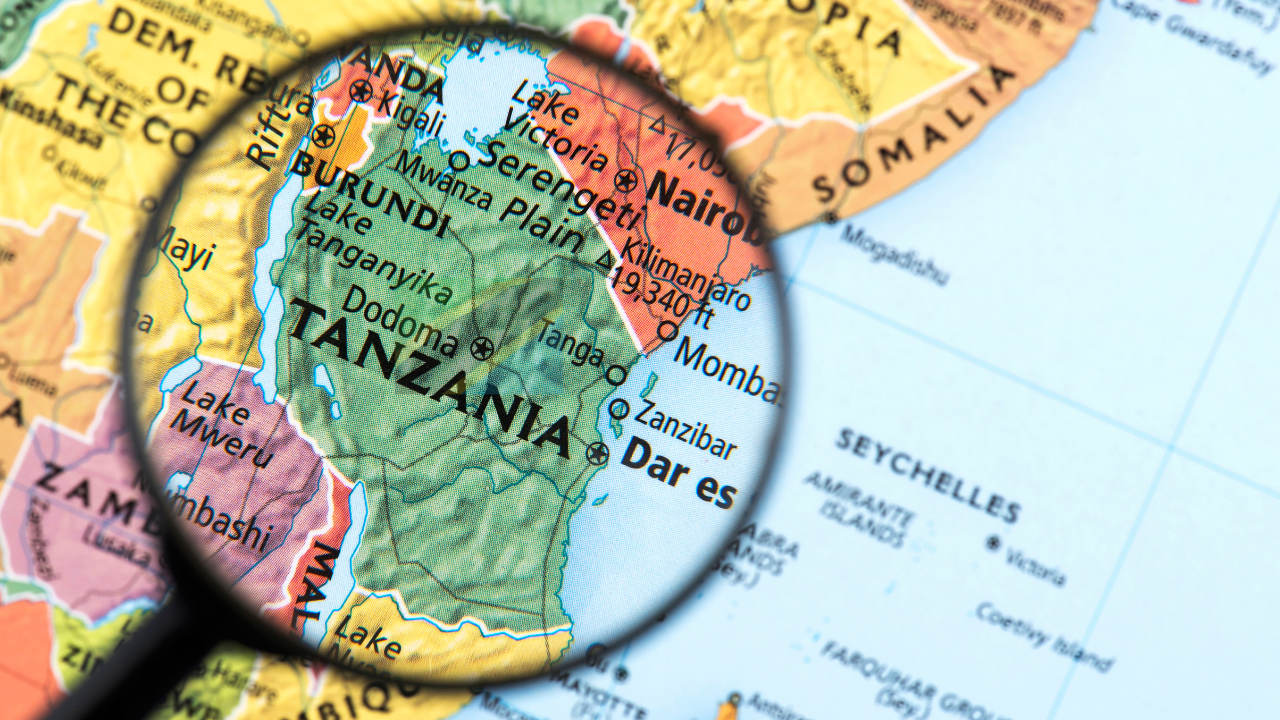
According to The Chanzo, Tanzania's corruption crisis is viewed as a moral decline from the ethical vision of former leader Julius Nyerere to a contemporary culture characterized by sycophancy and wealth-worship, indicating that the issue extends beyond mere institutional failures.
The Chanzo·June 20, 2026 at 12:07 PM
Civil society organisations have expressed concerns about the lack of transparency in ongoing discussions between Uganda and the Democratic Republic of Congo regarding potential joint oil development in the Albertine Graben. Groups such as Notre Terre Sans Pétrole (NTSP) and Stop EACOP warn that the discussions could lead to significant environmental and social impacts.
The Observer (UG)·July 5, 2026 at 8:01 PM
The article discusses the significance of health data as a public health asset and a strategic resource that influences scientific knowledge, economic value, and technological advancement. It specifically examines Tanzania's position in relation to the America First Global Health Strategy and raises questions about data sovereignty.
The Chanzo·July 4, 2026 at 2:06 PM