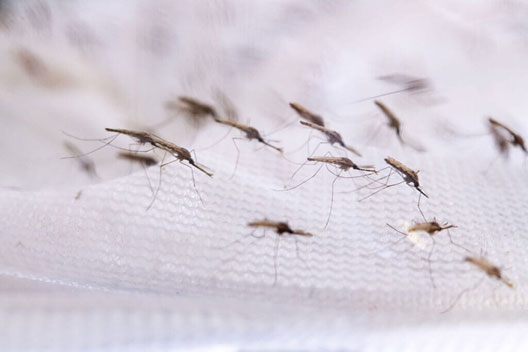
Upland Media's The Independent Uganda published an analysis marking World Mosquito Day, commemorating Sir Ronald Ross's 1897 discovery in India that female Anopheles mosquitoes transmit the parasite causing malaria in humans. The piece reflects on how this breakthrough transformed public health understanding of malaria and the ongoing fight against the disease.
AI summary. Verify with the original source.
Read full story at Upland Media (UG) ↗
Listen
Unlock audio summaries, audio summaries, AI chat, Wikipedia facts, and ad-free reading.
$3.99 / month · cancel anytime
Go PremiumBackground facts
Unlock wikipedia facts, audio summaries, AI chat, Wikipedia facts, and ad-free reading.
$3.99 / month · cancel anytime
Go PremiumSources
- The Independent (UG), The Independent
- Upland Media (UG), Lubangakene Cyrus
Similar stories

A major health study conducted in Lagos has found that 95 percent of fever cases are not caused by malaria, challenging the long-held assumption that every fever indicates the disease. The findings, reported by Tori.ng, suggest that many fevers may stem from other causes, which could have implications for how febrile illnesses are diagnosed and treated in the region.
Tori.ng·September 4, 2026 at 3:06 PM
The Institute of Human Virology Nigeria (IHVN) has disclosed that the World Bank invested about N1.5 billion in the implementation of the IMPACT Malaria Project in Ondo State, Nigeria. According to the institute, the intervention contributed to significant gains in malaria prevention and control, as well as improvements in child health outcomes across the state. The disclosure highlights the role of international funding in supporting disease control efforts in the region.
Leadership (NG)·September 7, 2026 at 8:50 PM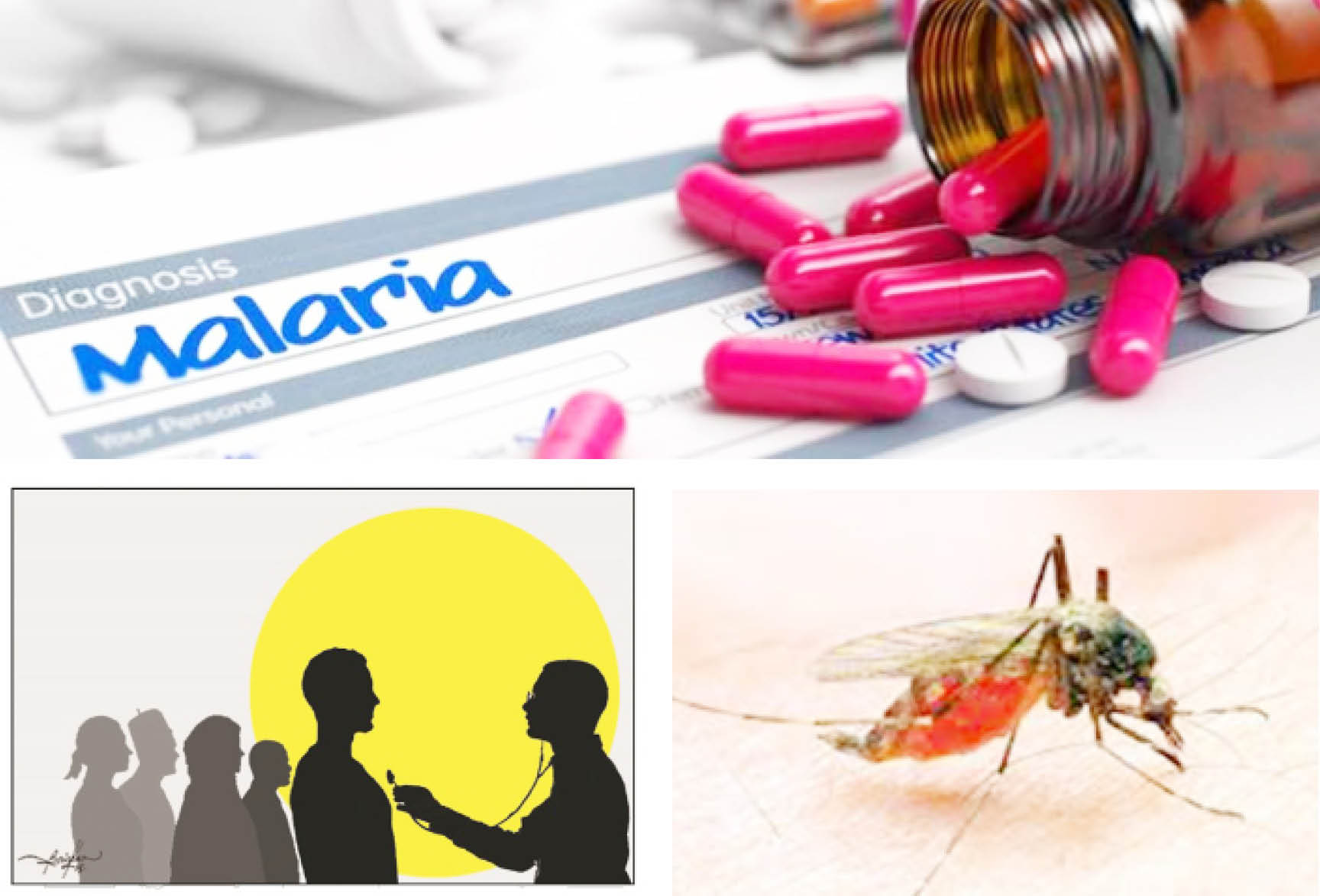
Health experts and government officials in Ondo State, Nigeria, say malaria prevalence has dropped to 13 percent, crediting the World Bank-supported IMPACT Malaria Project for the decline and for reduced under-five mortality. According to Daily Trust, the officials spoke at the project's close-out ceremony in Akure on Monday. The initiative was implemented by the Institute of Human Virology Nigeria (IHVN), which supported malaria control efforts across the state.
Daily Trust·September 8, 2026 at 5:17 AMHistorian Dr Elise Mitchell is re-examining the early history of smallpox inoculation across the Atlantic slave trade, arguing that the world has spent centuries forgetting Africa's role in the history of immunisation. According to the report, West African societies practised inoculation—a precursor to vaccination that deliberately provoked immunity to smallpox through managed exposure to the virus—long before Europeans adopted the technique. The piece, written by Maya Prabhu, highlights how this African contribution to medicine has been overlooked.
HEJNU (UG)·September 7, 2026 at 1:46 PM
Kenya's KBC argues that prevention is the country's strongest defence against disease, noting that dengue, malaria, cholera, tuberculosis, hypertension and diabetes can all be mitigated through prevention, early detection and timely action. According to the broadcaster, these illnesses do not begin at the hospital door, so the public health response should not either, with the greatest gains achieved long before patients seek treatment.
KBC·September 8, 2026 at 6:54 AM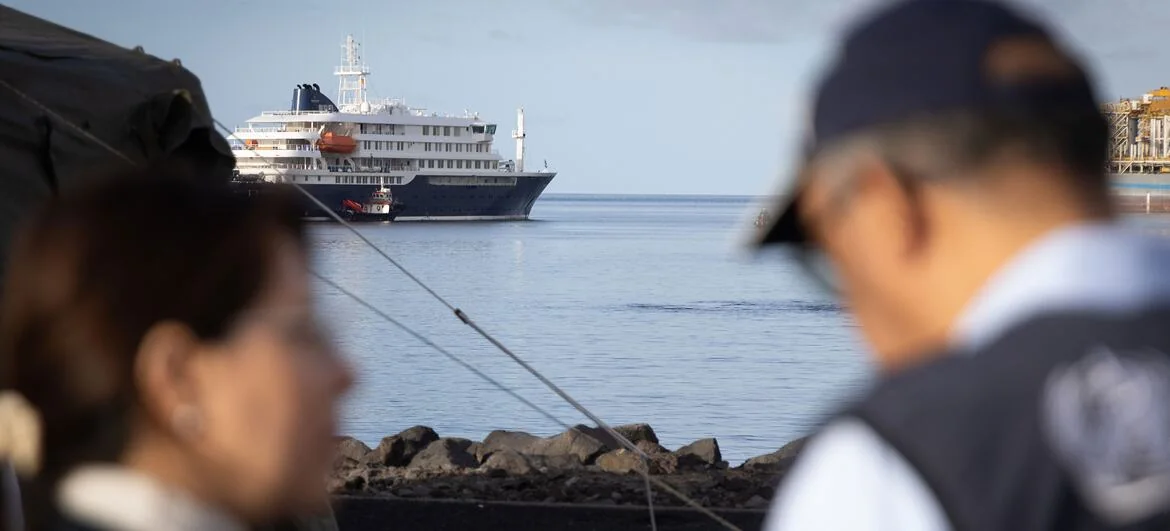
The World Health Organization has initiated a global investigation into the hantavirus outbreak aboard the MV Hondius, with only 54 contacts currently under quarantine. Scientists are examining the spread of the deadly Andes virus and are expanding research efforts into the disease.
Eastleigh Voice·June 25, 2026 at 3:54 AM