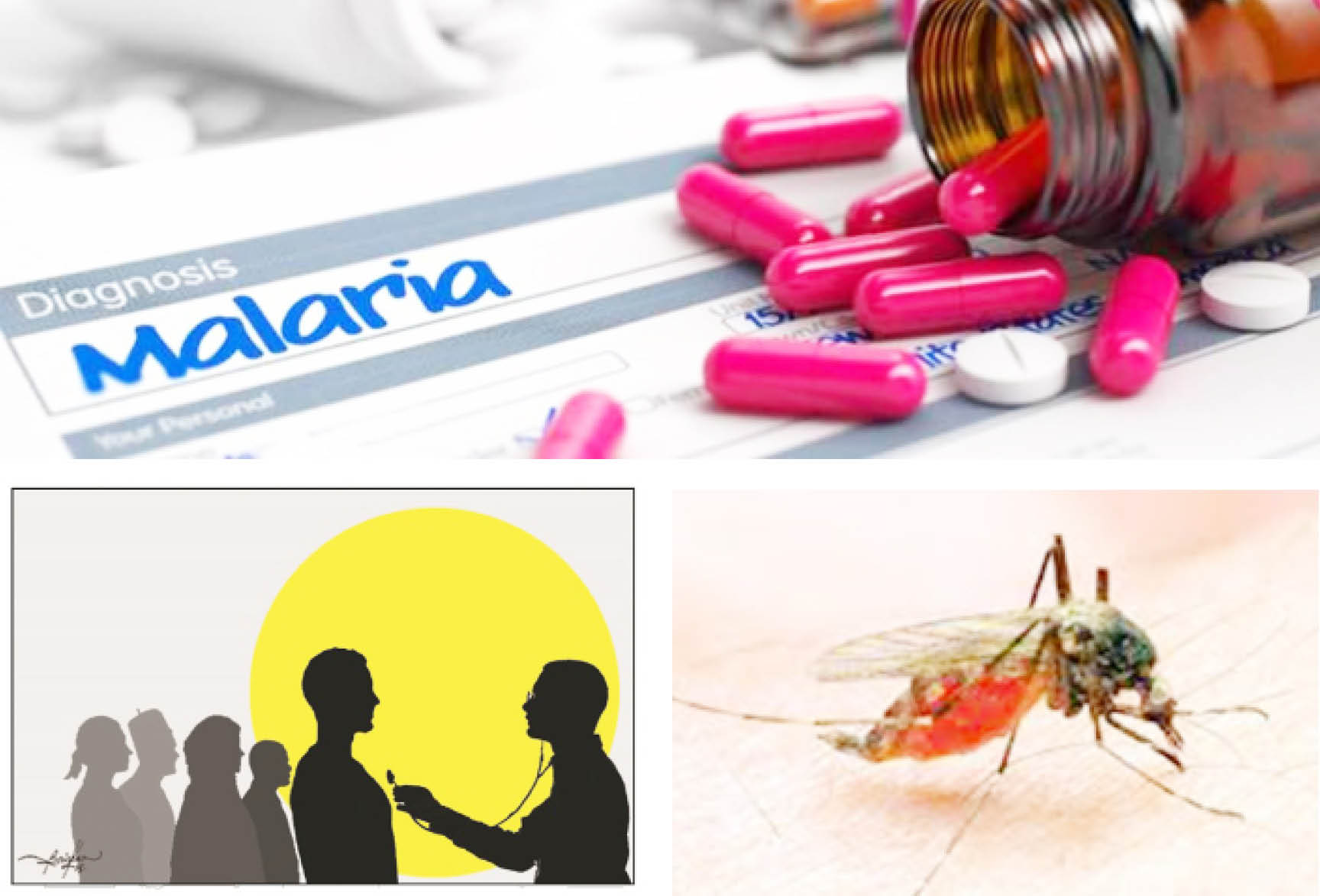
Health experts and government officials in Ondo State, Nigeria, say malaria prevalence has dropped to 13 percent, crediting the World Bank-supported IMPACT Malaria Project for the decline and for reduced under-five mortality. According to Daily Trust, the officials spoke at the project's close-out ceremony in Akure on Monday. The initiative was implemented by the Institute of Human Virology Nigeria (IHVN), which supported malaria control efforts across the state.
AI summary. Verify with the original source.
Read full story at Daily Trust ↗
Listen
Unlock audio summaries, audio summaries, AI chat, Wikipedia facts, and ad-free reading.
$3.99 / month · cancel anytime
Go PremiumBackground facts
Unlock wikipedia facts, audio summaries, AI chat, Wikipedia facts, and ad-free reading.
$3.99 / month · cancel anytime
Go PremiumSimilar stories
The Institute of Human Virology Nigeria (IHVN) has disclosed that the World Bank invested about N1.5 billion in the implementation of the IMPACT Malaria Project in Ondo State, Nigeria. According to the institute, the intervention contributed to significant gains in malaria prevention and control, as well as improvements in child health outcomes across the state. The disclosure highlights the role of international funding in supporting disease control efforts in the region.
Leadership (NG)·September 7, 2026 at 8:50 PM
A major health study conducted in Lagos has found that 95 percent of fever cases are not caused by malaria, challenging the long-held assumption that every fever indicates the disease. The findings, reported by Tori.ng, suggest that many fevers may stem from other causes, which could have implications for how febrile illnesses are diagnosed and treated in the region.
Tori.ng·September 4, 2026 at 3:06 PM
The Kaltungo Snakebite Treatment Centre has been upgraded, which is seen as a positive development in response to the significant mortality rate of 12 percent from snakebites in Nigeria. Hundreds of Nigerians die each year due to snakebites, highlighting the urgent need for effective health sector interventions, according to ThisDay Live.
ThisDay Live·July 6, 2026 at 12:08 AM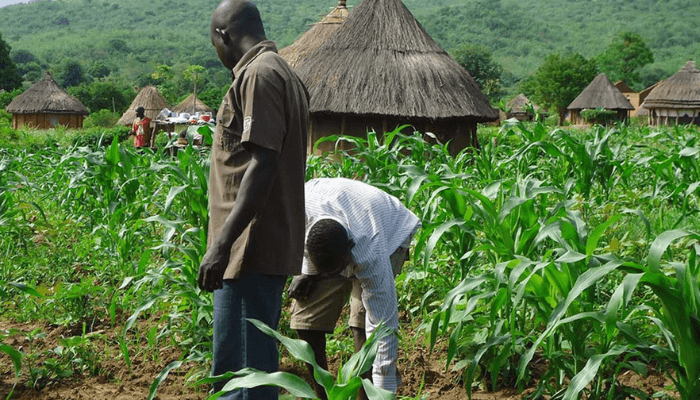
The World Bank-financed Agro-Climatic Resilience in Semi-Arid Landscapes (ACReSAL) project has lifted about 41 per cent of local farmers out of poverty across Nigeria's 19 northern states and the Federal Capital Territory, according to the project's task team lead, Dr Joy Iganya Agege. She disclosed the figure at a Hybrid Additional Financing Pre-Appraisal meeting, attributing the outcome to various interventions under the programme, which focuses on climate resilience and agricultural development in semi-arid regions.
Leadership (NG)·September 8, 2026 at 5:43 AM
In Nigeria, poverty and malnutrition are significant factors contributing to preventable childhood killer diseases such as malaria and pneumonia, despite the availability of vaccines. The situation highlights the challenges faced in addressing these health issues effectively, as socioeconomic conditions hinder access to necessary healthcare and nutrition.
Punch·July 5, 2026 at 12:00 AM
Kenya's KBC argues that prevention is the country's strongest defence against disease, noting that dengue, malaria, cholera, tuberculosis, hypertension and diabetes can all be mitigated through prevention, early detection and timely action. According to the broadcaster, these illnesses do not begin at the hospital door, so the public health response should not either, with the greatest gains achieved long before patients seek treatment.
KBC·September 8, 2026 at 6:54 AM