A diplomacy and international relations expert, Philemon Samoei, has urged Kenyan leaders not to politicize President William Ruto's directive requiring documentation of foreign nationals conducting business illegally in the country. According to Samoei, the order should be understood as enforcement of Kenyan law and protection of opportunities for legitimate local enterprises rather than a political or anti-immigrant measure, cautioning critics against misrepresenting its intent.
AI summary. Verify with the original source.
Read full story at Kenya News Agency ↗
Listen
Unlock audio summaries, audio summaries, AI chat, Wikipedia facts, and ad-free reading.
$3.99 / month · cancel anytime
Go PremiumBackground facts
Unlock wikipedia facts, audio summaries, AI chat, Wikipedia facts, and ad-free reading.
$3.99 / month · cancel anytime
Go PremiumSimilar stories
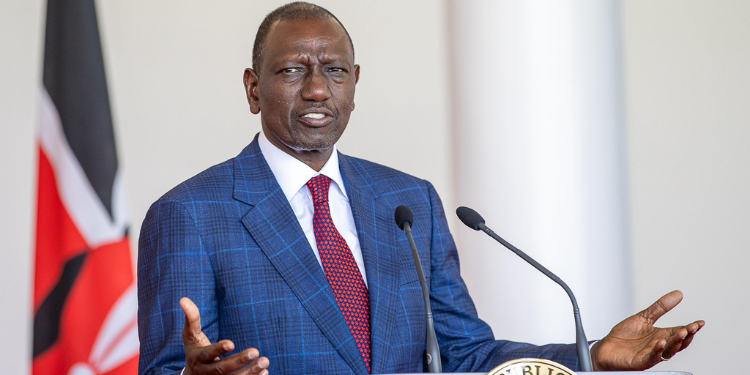
The Kenyan government has clarified President William Ruto's directive targeting foreigners engaged in small-scale businesses. Government spokesperson Charles Owino said on September 7 that the measures aim to regulate informal trade and protect local livelihoods, not to ban East African nationals from the country. According to the government, the core intent is to protect vulnerable sectors of the economy rather than exclude foreign traders entirely.
The Kenya Times·September 8, 2026 at 4:21 AM
Kenyan President William Ruto has directed that the Local Content Bill, 2025, be expanded to regulate foreign participation in small-scale trade, giving foreign traders 90 days as certain business activities are set to be reserved for Kenyan citizens. According to State House Spokesperson Hussein Mohamed, the move responds to complaints from local traders about the impact of foreign operators on micro and small enterprises in the informal sector.
Nairobi Wire·September 9, 2026 at 3:49 AM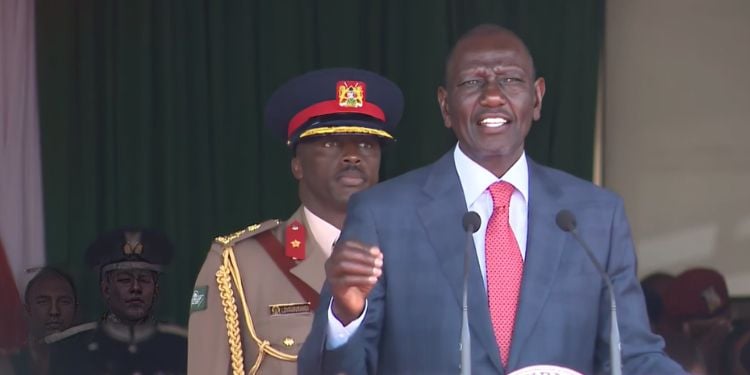
Kenyan President William Ruto has granted foreign nationals running businesses in the country, including Burundians, a 90-day window to regularise their immigration status and business operations. According to The Kenya Times, the directive is part of a government effort to tighten enforcement of rules governing small-scale trade. The move follows complaints from Kenyan traders about the increasing involvement of foreigners in small-scale businesses and the informal trade sector.
The Kenya Times·September 8, 2026 at 9:55 AM
An aide to Nairobi Governor Johnson Sakaja has cautioned against the harassment of foreigners working in Kenya. According to Tuko, Rodriques Mulindi stressed the need for professionalism in the ongoing crackdown on unregistered foreign businesses, urging authorities to treat foreigners with respect while enforcing compliance laws. The remarks come amid heightened scrutiny of foreign nationals operating enterprises in the country, with officials seeking to balance regulatory enforcement against concerns over mistreatment and discrimination.
Tuko·September 8, 2026 at 12:08 PM
According to Tuko, Kenyan Senator Aaron Cheruiyot defended President William Ruto’s remarks about foreigners engaged in small businesses, calling for restraint as the comments drew controversy. The dispute centers on documentation requirements for foreign traders and broader questions of coexistence with local communities. Cheruiyot’s intervention sought to cool tensions while backing the president’s position, but the blurb provides no further detail on the exact wording of Ruto’s remarks or any policy changes.
Tuko·September 8, 2026 at 3:08 PM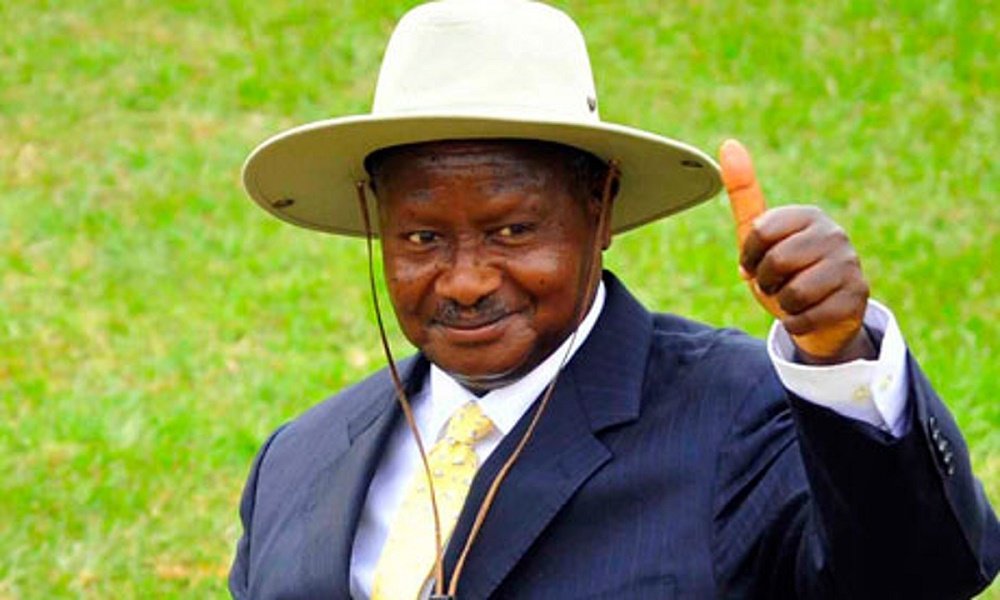
The Ugandan government has urged its citizens living in Kenya to formalize their immigration and business statuses following President William Ruto's 90-day compliance ultimatum for foreigners. Ugandan Prime Minister and East African Community Affairs Minister Rebecca Kadaga advised nationals to seek assistance at the Ugandan High Commission in Nairobi in order to meet the new legal requirements, according to Ghafla Kenya.
Ghafla Kenya·September 10, 2026 at 3:06 AM