
According to Tuko, Kenyan Senator Aaron Cheruiyot defended President William Ruto’s remarks about foreigners engaged in small businesses, calling for restraint as the comments drew controversy. The dispute centers on documentation requirements for foreign traders and broader questions of coexistence with local communities. Cheruiyot’s intervention sought to cool tensions while backing the president’s position, but the blurb provides no further detail on the exact wording of Ruto’s remarks or any policy changes.
AI summary. Verify with the original source.
Listen
Unlock audio summaries, audio summaries, AI chat, Wikipedia facts, and ad-free reading.
$3.99 / month · cancel anytime
Go PremiumBackground facts
Unlock wikipedia facts, audio summaries, AI chat, Wikipedia facts, and ad-free reading.
$3.99 / month · cancel anytime
Go PremiumSimilar stories
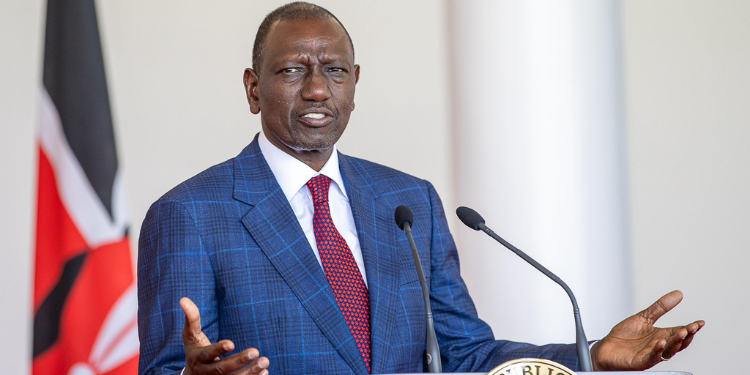
The Kenyan government has clarified President William Ruto's directive targeting foreigners engaged in small-scale businesses. Government spokesperson Charles Owino said on September 7 that the measures aim to regulate informal trade and protect local livelihoods, not to ban East African nationals from the country. According to the government, the core intent is to protect vulnerable sectors of the economy rather than exclude foreign traders entirely.
The Kenya Times·September 8, 2026 at 4:21 AM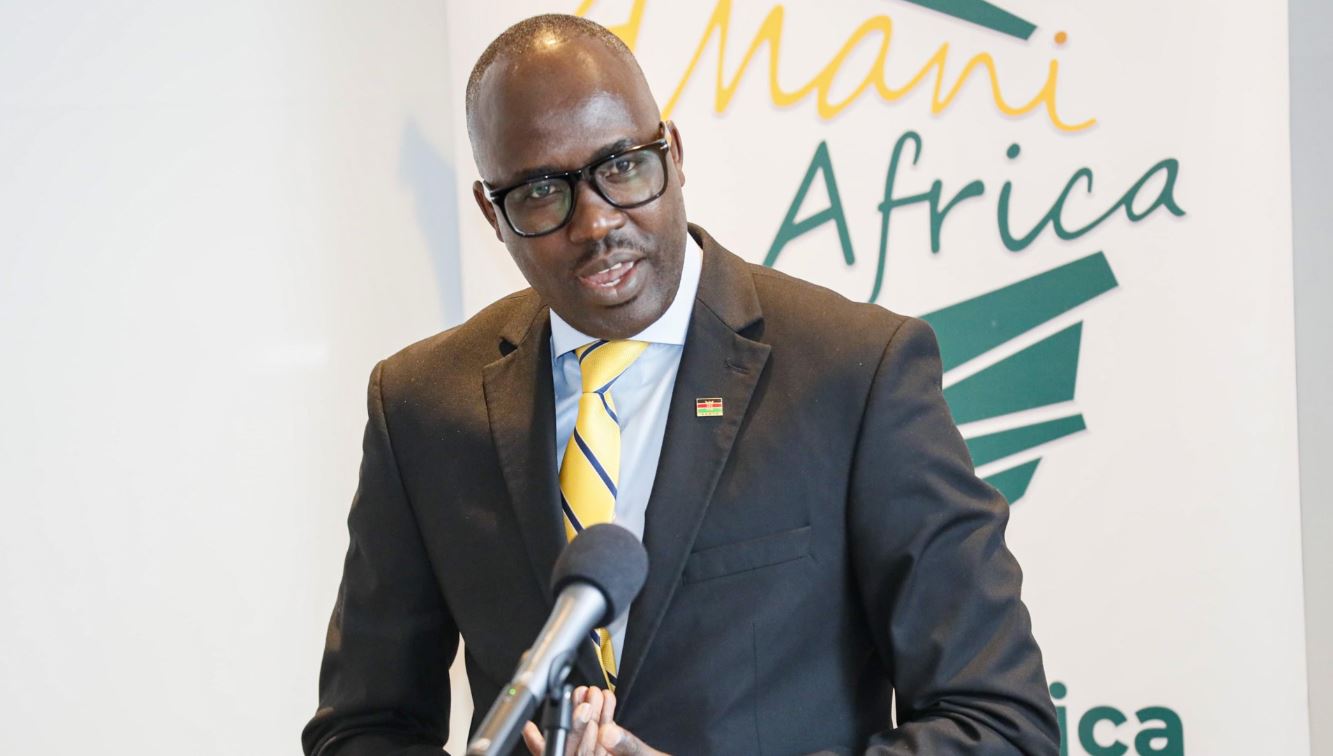
The Kenyan government has denied a report by French newspaper Le Monde alleging that President William Ruto ordered foreign nationals to close small businesses across the country. Principal Secretary for Foreign Affairs Korir Sing'Oei said the President's remarks were taken out of context, explaining they were made during discussions on the Local Content Bill, 2025, currently under parliamentary review. In a post on X, Sing'Oei assured that foreign traders and workers complying with Kenyan laws may continue operating.
Nairobi Wire·September 7, 2026 at 3:41 AM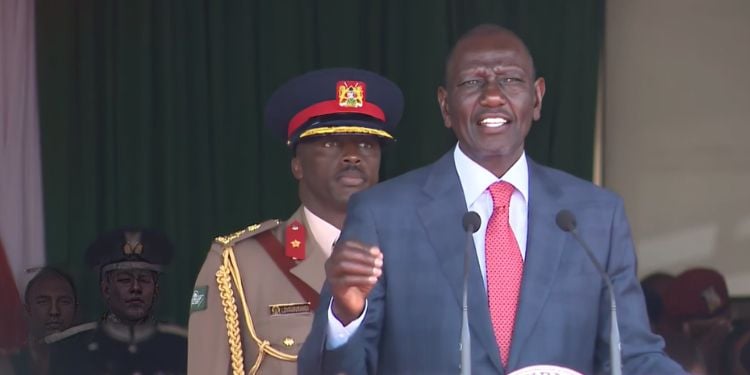
Kenyan President William Ruto has granted foreign nationals running businesses in the country, including Burundians, a 90-day window to regularise their immigration status and business operations. According to The Kenya Times, the directive is part of a government effort to tighten enforcement of rules governing small-scale trade. The move follows complaints from Kenyan traders about the increasing involvement of foreigners in small-scale businesses and the informal trade sector.
The Kenya Times·September 8, 2026 at 9:55 AM
The Kenya Times reports that President William Ruto has faced heavy criticism over remarks made during a meeting with MSMEs at State House, which the outlet describes as the epicentre of his campaign activities. According to the article, Ruto previously used the Deputy President's residence for campaigns ahead of the 2022 elections and now uses State House. The piece argues that Kenya should focus on building competitiveness rather than fearing its neighbours.
The Kenya Times·September 8, 2026 at 4:44 AM
East African human rights organisations, including the East African Law Society and the Kenya National Commission on Human Rights, have cautioned President William Ruto over his administration's crackdown on foreign-run small businesses. According to the Eastleigh Voice, the bodies warned that enforcement must comply with the law and avoid discrimination, profiling, and rights violations against foreign nationals operating in Kenya.
Eastleigh Voice·September 8, 2026 at 9:04 AM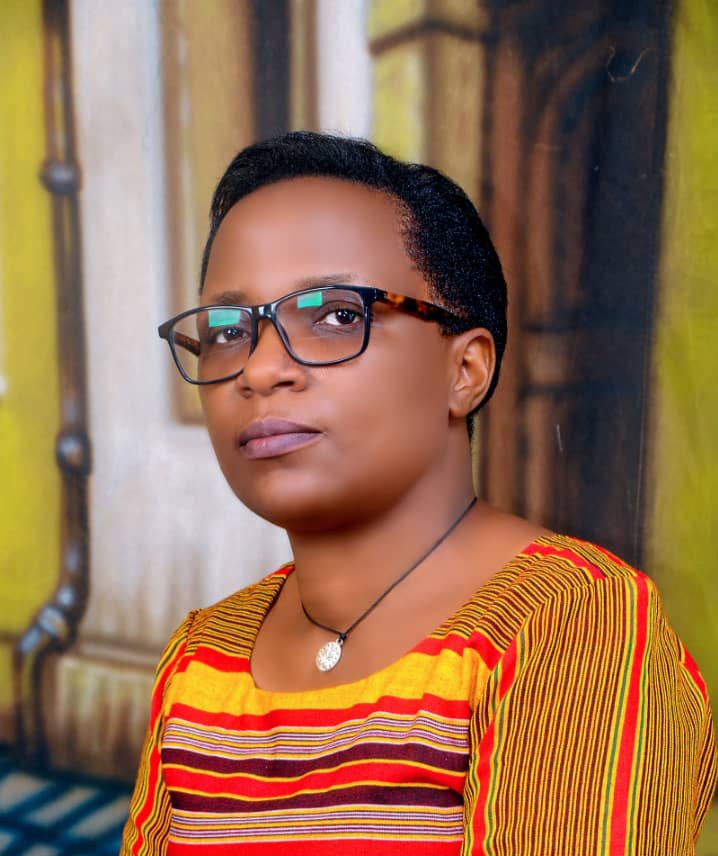
Kenyan President William Ruto has issued a directive targeting foreign-owned small businesses, causing anxiety among traders across East Africa, particularly Ugandans operating in Kenya. According to NTV Kenya, civil society organisations have challenged the move as unconstitutional. Commentator Kiwala Caroline Tahir, writing for Watchdog Uganda, argues the directive should serve as a wake-up call for Uganda to strengthen its domestic business environment so that its traders can build sustainable enterprises at home rather than depending on opportunities abroad.
Watchdog Uganda·September 8, 2026 at 5:22 AM