
One in ten Kenyan learners experienced disruptions to their schooling due to climate-related hazards in 2025, according to UNICEF. The agency cautioned that the figures are likely conservative, noting that longer-term hazards such as drought are harder to capture in the data. The report highlights the growing impact of climate events on education access for children across Kenya.
AI summary. Verify with the original source.
Read full story at Capital FM (KE) ↗
Listen
Unlock audio summaries, audio summaries, AI chat, Wikipedia facts, and ad-free reading.
$3.99 / month · cancel anytime
Go PremiumBackground facts
Unlock wikipedia facts, audio summaries, AI chat, Wikipedia facts, and ad-free reading.
$3.99 / month · cancel anytime
Go PremiumSimilar stories

Climate-related hazards disrupted schooling for at least 171 million students worldwide in 2025, according to UNICEF, as reported by Capital FM. Storms were the most common cause of disruption, affecting 109 million students, followed by floods, which impacted at least 70 million. The figures highlight the growing toll that extreme weather events are taking on access to education globally, with millions of learners forced out of classrooms due to climate-driven disasters.
Capital FM (KE)·September 10, 2026 at 11:37 AM
Experts are calling for mental health to be integrated into Kenya's climate preparedness plans, according to the Eastleigh Voice. They warn that climate-related disasters can be associated with anxiety and fear, depression and hopelessness, trauma, grief and loss, sleep disturbances, stress and burnout, as well as heightened risks of gender-based violence. The experts argue that addressing these psychological impacts should form part of the country's broader strategy for responding to climate change and protecting affected communities.
Eastleigh Voice·September 7, 2026 at 6:01 PM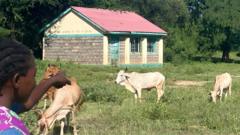
In rural Kenya, over 2,000 primary schools are at risk of closure due to a significant decline in student enrolment, with reports indicating that there are now more cows than pupils in some areas. This situation raises concerns about the future of education in these regions, as communities grapple with the implications of dwindling school attendance.
BBC World·July 4, 2026 at 1:00 AM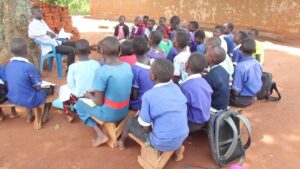
In Kayunga District, primary school pupils face severe learning conditions, often cramming four or five students onto desks meant for two, while others sit on bare mats. Rain disrupts lessons, forcing children into overcrowded rooms. At Nongo Church of Uganda Primary School, headteacher Juliet Nantume highlights the ongoing struggle, noting that the school has not received any support from the district education office despite requests made last year. The desks in use were purchased between 2004 and 2009.
The Scribe (UG)·July 3, 2026 at 10:35 AM
A Sh25.9 billion climate fund has been launched to provide financing to farmers and rural businesses, according to Capital FM Business. The 12-year programme will operate in Kenya, Uganda, Tanzania and Rwanda, supporting climate-resilient investments across the agricultural sector. The initiative is intended to expand access to funding for rural enterprises adapting to climate pressures, though the blurb does not identify the fund’s managers, eligibility rules, or specific financing instruments.
Capital FM Business·September 8, 2026 at 1:02 PM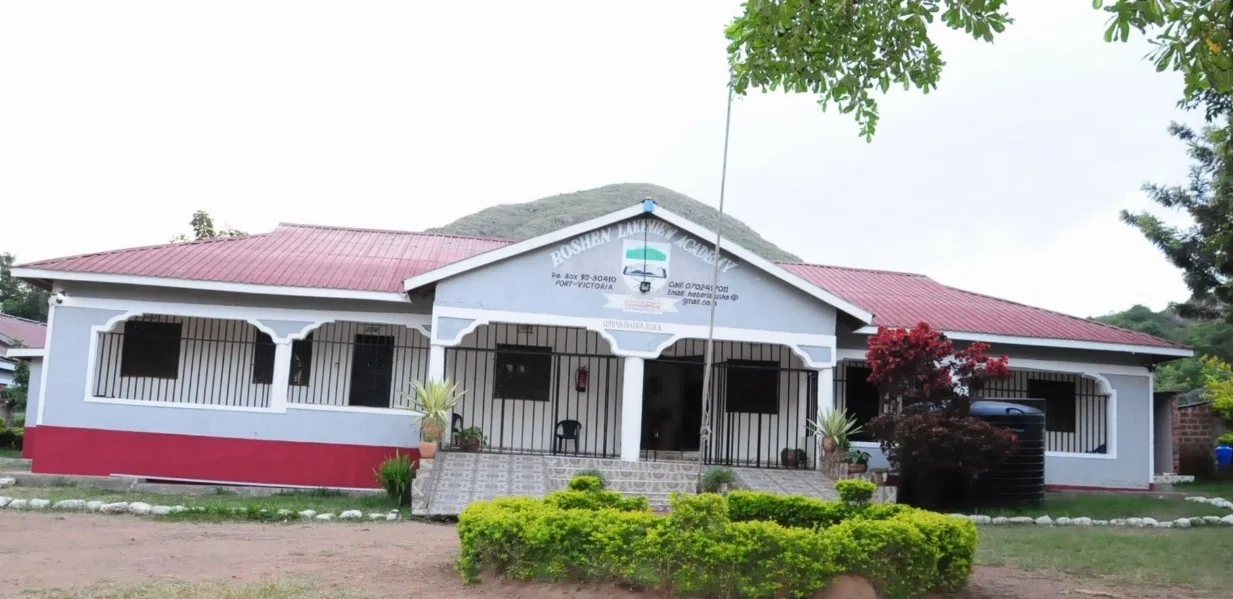
According to organisers, a school in Busia has been named among the global finalists for the 2026 education prize. The school serves children from a vulnerable fishing community that faces challenges such as poverty, recurrent flooding, high HIV prevalence, orphanhood, early marriages, and entrenched beliefs that hinder educational aspirations for young people.
Eastleigh Voice·July 4, 2026 at 2:40 PM