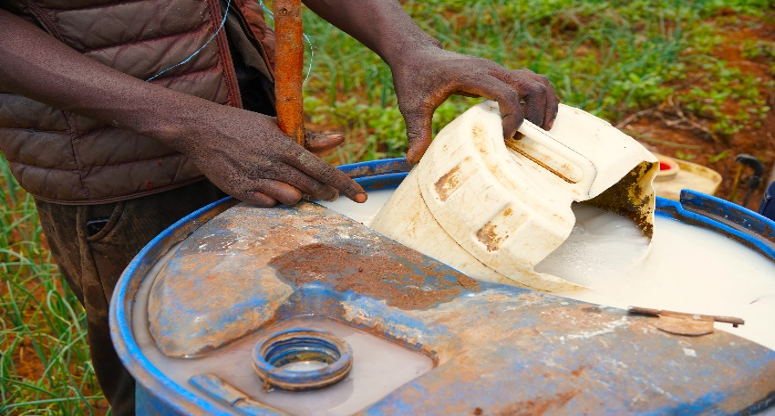
Kenya is facing challenges in ensuring access to affordable, nutritious, and safe food for its growing population. As pesticide use increases, there are rising concerns regarding public health and food security. Experts emphasize that long-term food security relies not only on agricultural production but also on food safety, healthy ecosystems, and resilient agricultural systems, according to KBC.
AI summary. Verify with the original source.
Listen
Unlock audio summaries, audio summaries, AI chat, Wikipedia facts, and ad-free reading.
$3.99 / month · cancel anytime
Go PremiumBackground facts
Unlock wikipedia facts, audio summaries, AI chat, Wikipedia facts, and ad-free reading.
$3.99 / month · cancel anytime
Go PremiumSimilar stories
At the Financing Agri-Food Systems Sustainably (FINAS 2026) Conference in Nairobi, agroecology advocates emphasized that the future of Kenya's food system depends not only on agricultural production but also on farmers' ability to earn a decent living. They called for increased investment in sustainable agriculture to support this goal.
Kenya News Agency·July 5, 2026 at 1:33 PM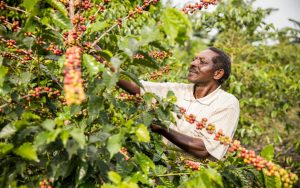
According to Soko Directory, Kiambu County, adjacent to Nairobi, has historically played a significant role in supporting the capital's food security. However, concerns have been raised about the ongoing urbanization and development in the area, which may jeopardize its agricultural capacity and future food security. The article calls for a reevaluation of land use to prevent further loss of arable land.
Soko Directory·July 5, 2026 at 8:34 AMKenya has introduced a KSh1.08 trillion investment strategy aimed at transforming its agricultural sector over the next five years. The plan, known as the "National Agri-Food Systems Investment Plan" for 2026-2030, anticipates significant private sector involvement to cover nearly half of the total costs, as the government seeks to modernize food production systems and enhance productivity in the sector.
Sharp Daily·July 2, 2026 at 12:47 PM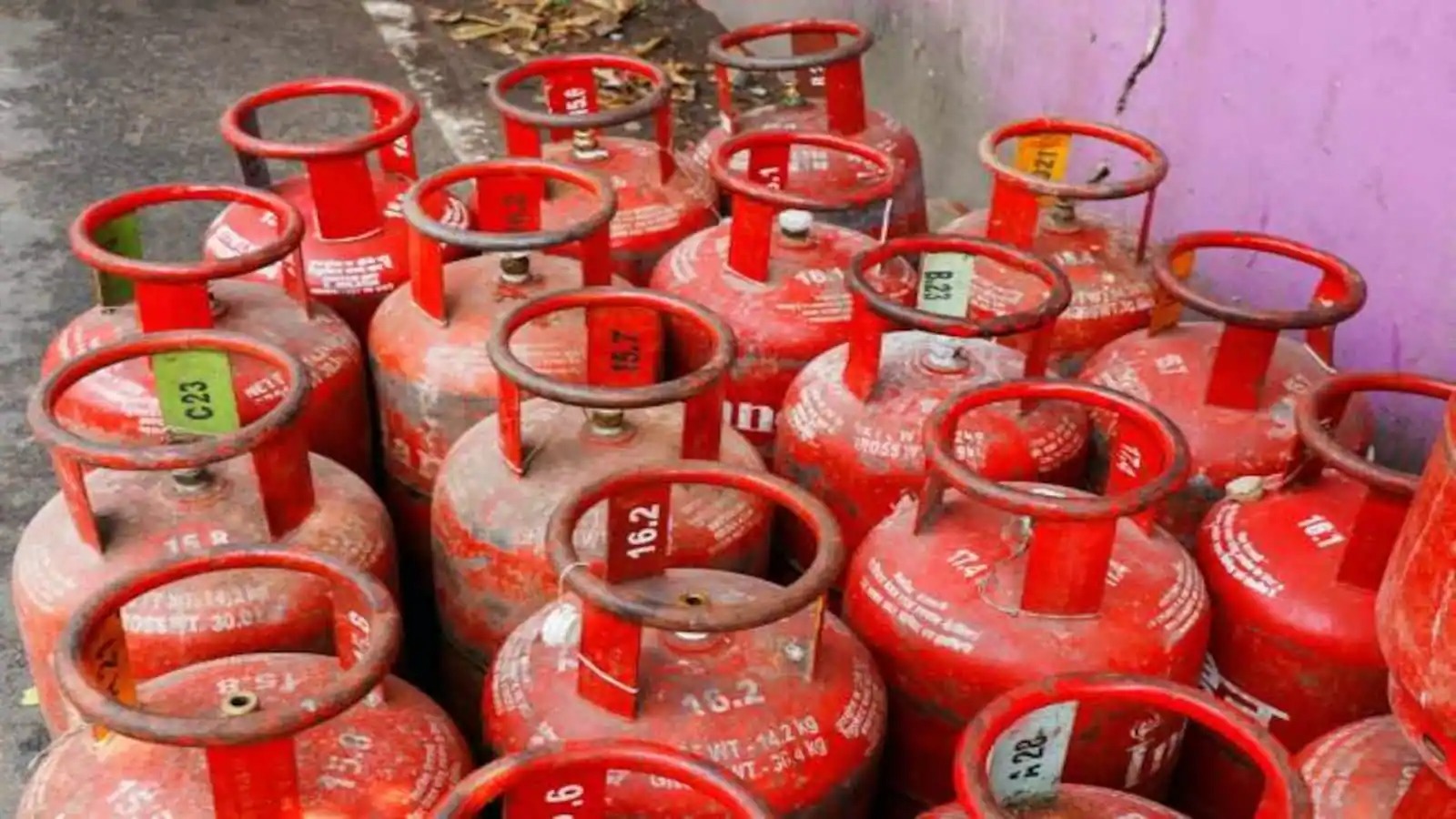
Kenya is undergoing a significant change in household energy consumption, with a marked decline in kerosene use and a rise in Liquified Petroleum Gas (LPG) adoption. This shift is driven by health concerns and environmental considerations, according to a report by John Mutus in the Business Daily. The transformation is noteworthy for business professionals, policymakers, and consumers alike.
Sharp Daily·July 2, 2026 at 3:52 PM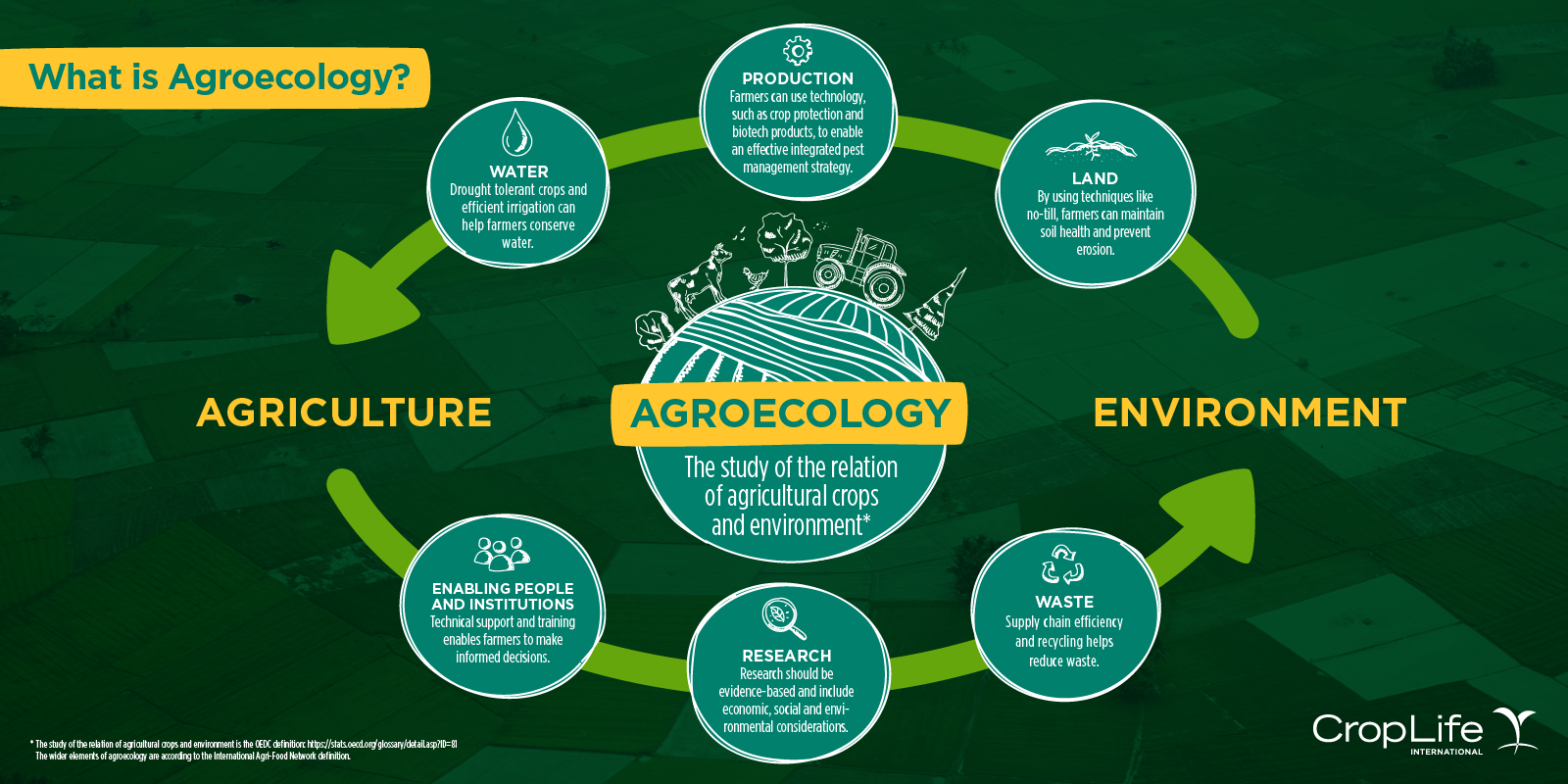
In Tanzania and across Africa, farmers are increasingly adopting agroecology, a sustainable agricultural approach that integrates ecological principles with local knowledge and innovation. This shift aims to enhance food security and resilience against climate shocks while improving productivity and income for households that rely on agriculture for their livelihoods.
Daily News (TZ)·June 24, 2026 at 2:24 PM
Kenya's efforts to boost local drug manufacturing are facing challenges due to fiscal and tax unpredictability. Frequent policy shifts and inconsistent incentives are creating uncertainty for investors, which undermines long-term planning for pharmaceutical manufacturers aiming to expand their operations.
Eastleigh Voice·June 24, 2026 at 6:15 PM